

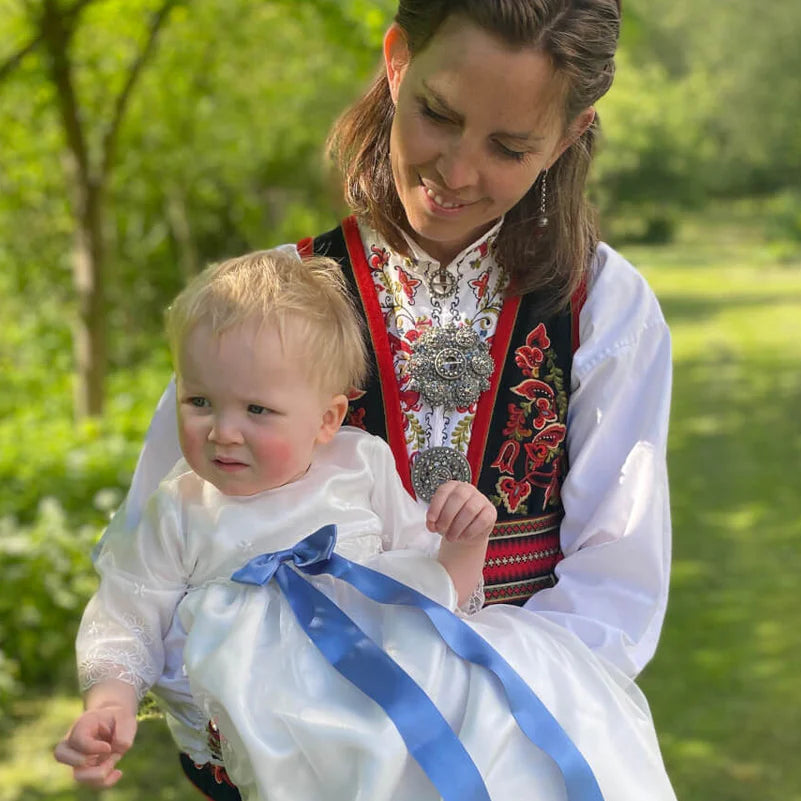
Straipsnis: Istorijos tyrinėjimas: tėvystės filosofija Šiaurės šalių kultūroje
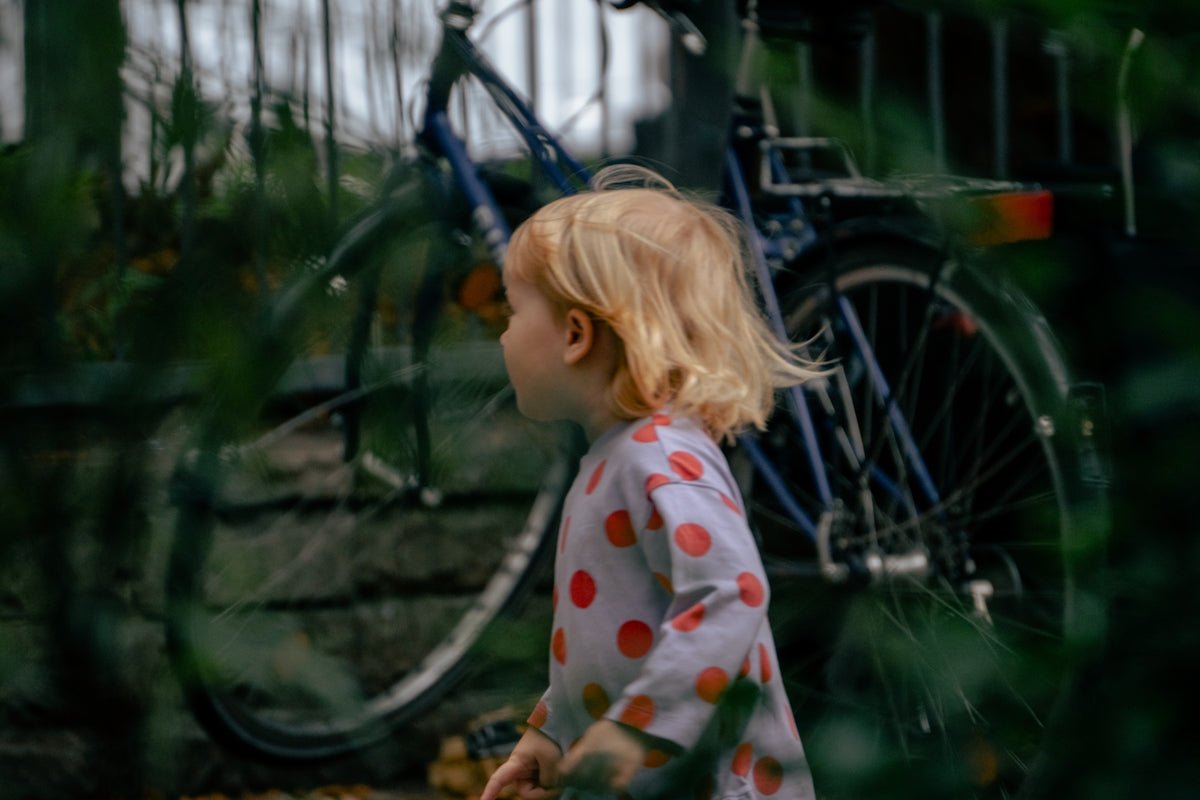
Istorijos tyrinėjimas: tėvystės filosofija Šiaurės šalių kultūroje
Šiaurės šalys jau seniai žavisi savo pažangiais socialiniais modeliais, kurie dažnai apima ir vaikų auklėjimo filosofiją. Šiose kultūrose pabrėžiama paprastumo svarba, ryšys su gamta ir gilus bendruomenės atsakomybės jausmas auginant vaikus. Šiame įraše apžvelgiama turtinga Šiaurės šalių vaikų auklėjimo tradicijų istorija ir šiuolaikinės jų interpretacijos, kurios ir toliau žavi tėvus visame pasaulyje.
Turinys
- Turinys
- Paprastesnio vaikų auklėjimo tradicija
- „Hygge“ filosofija
- Kultūrų palyginimas: Šiaurės šalių ir Amerikos šeimų dinamika
- Dažniausiai užduodami klausimai
Paprastesnio vaikų auklėjimo tradicija
Šiaurės šalių vaikų auklėjimui didelę įtaką daro istorinis kontekstas. Tradiciškai Šiaurės šalių šeimos puoselėjo praktišką ir paprastą gyvenimo būdą. Nuo mažens buvo siekiama ugdyti savarankiškumą. Tai grindžiama visuomenės struktūra, kurioje vertinama darni darbo, šeimos gyvenimo ir vieningos bendruomenės aplinkos pusiausvyra. Šiuolaikiniai tėvai, besižavintys šiais idealais, praktinių įžvalgų gali rasti straipsnyje Paprastumo puoselėjimas: Šiaurės šalių vaikų auklėjimo praktika šiuolaikiniams tėvams.
„Hygge“ filosofija
Skandinavijos kultūrai būdinga „hygge“ sąvoka pabrėžia jaukios atmosferos kūrimą ir mėgavimąsi gerais gyvenimo dalykais su gerais žmonėmis. Ši filosofija natūraliai atsispindi ir Šiaurės šalių vaikų auklėjimo metodikoje. Svarbus jos aspektas – komforto kūrimas tiek fizinėse erdvėse, kuriose gyvena šeimos, tiek jų tarpusavio santykiuose. Daugiau apie tai, kaip „hygge“ menas veikia Šiaurės šalių šeimų namus, skaitykite „Hygge“ menas: kaip Skandinavijos namai kuria jaukumą šeimoms.
Kultūrų palyginimas: Šiaurės šalių ir Amerikos šeimų dinamika
Šiaurės šalyse vaikų auginimui teikiama bendruomenės parama, o amerikietiškas vaikų auklėjimas dažnai labiau grindžiamas individualizmu ir savarankiškumu. Šių skirtumų nagrinėjimas padeda geriau suprasti, kaip kultūrinė aplinka formuoja šeimų dinamiką ir vaikų auklėjimo praktiką. Išsamų palyginimą rasite straipsnyje Skandinavijos ir Amerikos šeimų dinamikos palyginimas.
Kaip ir visos kultūrinės praktikos, Šiaurės šalių vaikų auklėjimo filosofijos supratimas priartina mus prie visapusiško požiūrio į vaikų auginimą, kuriame derinama tradicinė išmintis ir šiuolaikiniai pritaikymai.
Daugiau įžvalgų apie Šiaurės šalių kultūrą ir vaikų auklėjimą rasite OLIPRIK.
Dažniausiai užduodami klausimai
Kokios yra pagrindinės Šiaurės šalių vaikų auklėjimo filosofijos?
Šiaurės šalių vaikų auklėjimo filosofijoje dažnai pabrėžiamas savarankiškumas, lygybė ir stiprus bendruomeniškumo jausmas. Tėvai skatina vaikus tyrinėti aplinką, priimti sprendimus ir mokytis iš savo klaidų, taip ugdydami pasitikėjimą savo jėgomis bei savimi.
Kaip Šiaurės šalyse vertinama atsakomybė už vaikų auginimą?
Šiaurės šalyse atsakomybė už vaikų auginimą paprastai vienodai dalijama abiem tėvams. Toks požiūris skatina lyčių lygybę ir leidžia abiem tėvams aktyviai dalyvauti vaikų raidoje.
Koks vaidmuo Šiaurės šalių vaikų auklėjime tenka gamtai?
Šiaurės šalių vaikų auklėjime gamta labai vertinama, todėl tėvai dažnai skatina vaikus žaisti ir tyrinėti aplinką lauke. Šis ryšys su gamta padeda vaikams ugdyti atsparumą, smalsumą ir pagarbą aplinkai.
Ar su Šiaurės šalių vaikų auklėjimu siejamos konkrečios ugdymo filosofijos?
Taip, Šiaurės šalių ugdymo filosofijoje dažnai daugiausia dėmesio skiriama vaiko inicijuojamam mokymuisi ir mokymuisi per žaidimą. Mokyklose skatinamas kūrybiškumas, kritinis mąstymas ir mokymasis bendradarbiaujant, siekiant ugdyti tiek akademinius, tiek socialinius gebėjimus.
Kaip Šiaurės šalių tėvai drausmina vaikus?
Šiaurės šalių tėvai dažniausiai renkasi švelnų požiūrį į drausmę. Jie teikia pirmenybę atviram bendravimui, aiškių lūkesčių nustatymui ir vaikų skatinimui suprasti savo veiksmų pasekmes, užuot taikę baudžiamąsias priemones.
Kuo „hygge“ svarbus Šiaurės šalių vaikų auklėjimui?
„Hygge“ – daniška sąvoka, dažnai siejama su jaukumu ir komfortu. Šiaurės šalių vaikų auklėjime ji pabrėžia šiltos ir puoselėjančios namų aplinkos kūrimo svarbą. Tai stiprina emocinę gerovę ir šeimos ryšius.
Kaip Šiaurės šalių kultūrose ugdomas vaikų emocinis intelektas?
Šiaurės šalių kultūrose dažnai daug dėmesio skiriama emociniam intelektui – vaikai skatinami atvirai reikšti jausmus ir kalbėtis apie emocinius sunkumus. Tėvai ir ugdytojai rodo empatijos bei aktyvaus klausymosi pavyzdį, taip padėdami vaikams ugdyti socialinius įgūdžius ir atsparumą.
Kokią įtaką vaikų auklėjimui daro Šiaurės šalių socialinė politika?
Šiaurės šalių socialinė politika remia tėvus tokiomis priemonėmis kaip vaiko priežiūros atostogos, subsidijuojama vaikų priežiūra ir galimybė naudotis sveikatos priežiūros paslaugomis. Šios priemonės padeda sumažinti kai kuriuos vaikų auginimo iššūkius ir leidžia šeimoms ankstyvoje vaikystėje daugiau kokybiškai leisti laiko kartu.
Ar skirtingose Šiaurės šalyse skiriasi vaikų auklėjimo stiliai?
Nors esama bendrų bruožų, kiekviena Šiaurės šalis turi savitą vaikų auklėjimo stilių, kurį formuoja kultūros normos ir vertybės. Pavyzdžiui, Danijos vaikų auklėjime gali būti teikiama pirmenybė „hygge“, o Švedijos – „lagom“, tai yra pusiausvyros ir saiko gyvenime idėjai.

 Airija
 Andora
 Argentina
 Australija
 Austrija
 Bahreinas
 Belgija
 Brazilija
 Danija
 Estija
 Farerų Salos
 Gibraltaras
 Grenlandija
 Islandija
 Ispanija
 Italija
 Jungtinė Karalystė
 Jungtinės Valstijos
 Jungtiniai Arabų Emyratai
 Kanada
 Kataras
 Kipras
 Kroatija
 Kuveitas
 Latvija
 Lenkija
 Lichtenšteinas
 Lietuva
 Liuksemburgas
 Malta
Malta
 Monakas
 Naujoji Zelandija
 Norvegija
 Nyderlandai
 Omanas
 Portugalija
 Prancūzija
 San Marinas
 Saudo Arabija
 Slovakija
 Slovėnija
 Suomija
 Švedija
 Šveicarija
 Vatikano Miesto Valstybė
 Vengrija
 Vokietija
