

Könnun á skírnar- og skírnartengdum hefðum um allan heim
Yfirlit
Skírnar- og skírnathafnir fagna inngöngu barns í trúarsamfélag og eru rík af menningarlegri merkingu. Hefðir eru fjölbreyttar um allan heim, frá vatnsblessunum og guðforeldrum í vestrænni kristni til hátíða í Rómönsku Ameríku og sérkennilegra siða eins og gyðinglegs bris og kínverskrar rauðeggjaveislu. Nútímatrend leggja áherslu á persónuleika, umhverfisvænar lausnir og athafnir á áfangastöðum. Skipulag felur í sér val á stað, dagsetningu, gestalista og að tryggja eftirminnilegar athafnir. Að lokum styrkja þessar helgisiðir fjölskyldubönd og skapa varanlegar minningar.
Algengar spurningar
1. Hver er munurinn á skírn og skírnarathöfn?
2. Hvaða algengu þættir eru í skírn í vestrænni kristni?
3. Hvaða sérstöku hefðir tengjast kínverskum barnahátíðum?
4. Hvernig hafa nútímatrend áhrif á skírnar- og skírnathafnir í dag?
5. Hvað þarf að hafa í huga við skipulagningu skírnar- eða skírnathafnar?
Að taka barn á móti í heiminn er stórt og hátíðlegt augnablik fullt af gleði, ást og hefðum. Ein af mikilvægustu leiðunum til að fagna þessu nýja lífi er með skírn eða skírnathöfnum. Þessar helgisiðir hafa djúpa menningarlega og andlega merkingu í ýmsum samfélögum, þar sem þeir tákna inngöngu barnsins í trúarsamfélag og skuldbindingu til að styðja við andlega þroska þess. Í þessari grein skoðum við vinsælar hefðir tengdar skírn og skírnathöfnum frá ólíkum menningarheimum, svo að þér sé vel upplýst þegar þú undirbýrð næstu hátíð.
Mikilvægi skírnar og skírnathafna
Skírn og skírnathafnir eru oft notuð sem samheiti, en geta haft mismunandi merkingu eftir menningar- og trúarlegum samhengi. Venjulega vísar skírn til athafnar þar sem einstaklingur—oftast barn—er dýft eða stráð vatni sem tákn hreinsunar og trúar. Í kristnu samhengi táknar hún syndafrelsi og blessun nýs lífs í Kristi.
Skírn vísar þó frekar til sérstakrar athafnar þar sem barni er gefið nafn og formlega tekið inn í trúna. Við skírn gera foreldrar og guðforeldrar oft loforð um að leiðbeina barninu á andlegri vegferð sinni. Óháð orðalagi þjóna báðar athafnir ekki aðeins sem andlegum áfanga heldur einnig sem dásamlegum tækifærum til fjölskyldusamkomna og hátíða.
Menningarlegar hefðir tengdar skírn og nafngjöf
Hefðir vestrænnar kristni
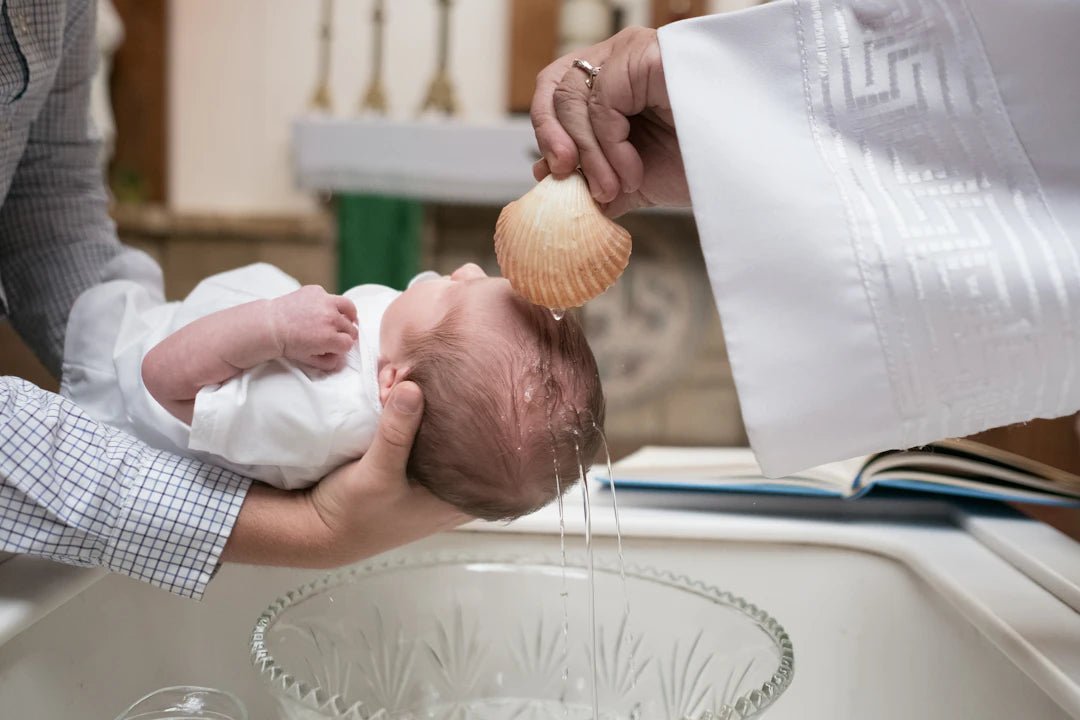
Í mörgum vestrænum kristnum trúarbrögðum felur skírn í sér sérstakar athafnir og venjur. Eftir að vatnið hefur verið blessað framkvæmir presturinn skírnina, sem gæti falið í sér:
- Vatnsblessing: Vatni er annaðhvort hellt yfir höfuð barnsins eða barnið er fullkomlega dýft. Þetta táknar hreinsun.
- Nafngjöf: Nafn barnsins er oft tilkynnt við skírnina, sem viðurkennir sjálfsmynd þess innan samfélagsins.
- Guðforeldrar: Foreldrar velja venjulega guðforeldra sem munu leiðbeina siðferðilegri og andlegri uppeldi barnsins.
Hátíðir ná oft lengra en athöfnin sjálf, með samkomu fjölskyldu og vina, þar sem matur, gjafir og gleðilegt andrúmsloft eru til að minnast viðburðarins.
Rétttrúnaðarkristnar hefðir
Í rétttrúnaðarkristni eru skírnir þekktar fyrir rík hefð og táknfræði. Athöfnin getur falið í sér:
- Kertaljós: Þegar foreldrar ganga inn í kirkjuna kveikja þeir á kertum, sem táknar trúarljós sem mun leiða barnið.
- Þreföld dýfing: Barnið er venjulega dýft í vatn þrisvar sinnum, sem táknar þrenninguna—Faðir, Sonur og Heilagur Andi.
- Kór og bænir: Sérstakir sálmar og bænir eru fluttar til að blessa og vernda barnið.
Eftir athöfnina fylgir oft hátíðarkvöldverður, sem getur verið glæsilegur viðburður með hefðbundnum réttum sem sýna menningarlegan bakgrunn.
Skírnarhátíðir í Suður-Ameríku
Í menningu Suður-Ameríku eru skírnarvenjur mjög fjölbreyttar, en margar deila sameiginlegum þáttum. Nokkur lykilatriði eru meðal annars:
- Hátíð: Skírnir eru oft fagnaðar með stórum fjölskyldusamkomum, fylltum tónlist, mat og litríkum skreytingum.
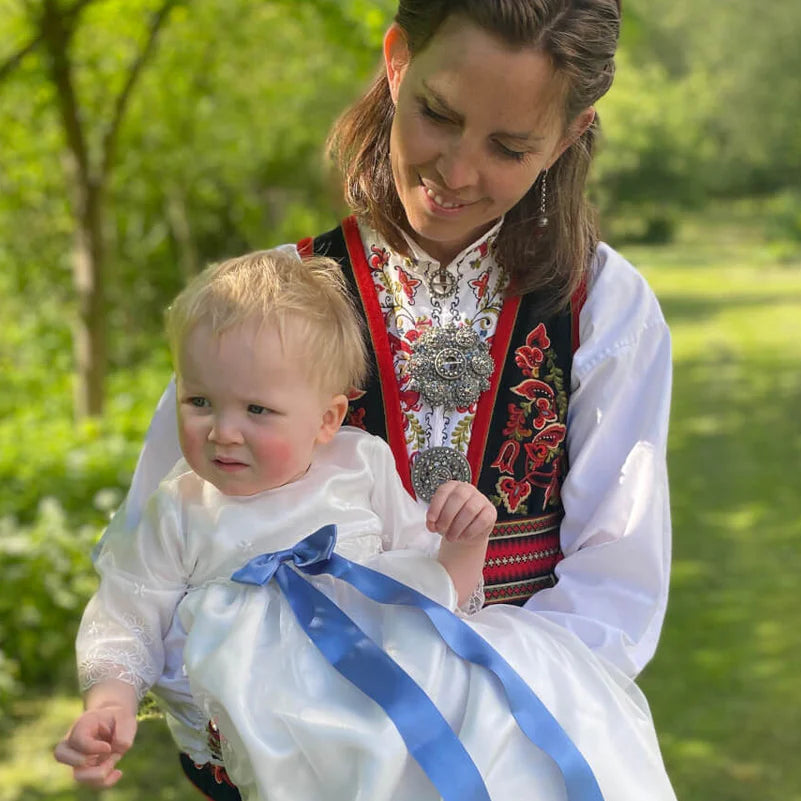
- Klæðnaður barnsins: Barnið er klætt í hvítt skikkju eða kjól til að tákna hreinleika. Fjölskyldur nota oft erfðagrip úr fjölskyldunni fyrir þennan klæðnað.
- Sérstakar gjafir: Guðforeldrar gefa oft trúarlegar minjagripi, svo sem krossa eða silfurskeiðar, sem minjagripi.
Andi samfélagsins og fjölskyldunnar er mjög áberandi í þessum hátíðum, sem táknar tengsl barnsins við menningararfleifð sína.
Einstakar hefðir frá öllum heimshornum
Kínverskar hefðir
Í kínverskri menningu er „rauða eggið og engiferveislan“ algeng hefð til að fagna fæðingu barns og oft samhliða nafngiftarathöfn barnsins. Nokkur sérkenni eru:
- Rauð egg: Sem tákn um gæfu og hamingju eru rauð egg gefin fjölskyldu og vinum sem merki um hátíð.
- Engifer: Bragð af engifer er talið reka burt ill önd og veita nýfæddu barni vernd.
- Fjölskyldusamkomur: Hefðbundið koma ættingjar og vinir saman til að fagna nýja meðlim fjölskyldunnar með mat og góðum óskum.
Gyðingleg bris athöfn
Í gyðingdómi er bris eða brit milah trúarleg umskurnarathöfn sem framkvæmd er á áttunda degi drengs og markar inngöngu hans í gyðinglegan sáttmála. Nauðsynlegir þættir þessarar hátíðar eru:
- Mohel: Þjálfaður trúarleiðtogi, kallaður mohel, framkvæmir umskurnina með sérstökum bænum og blessunum.
- Athöfn og móttaka: Viðburðurinn inniheldur venjulega hátíðarmáltíð þar sem fjölskylda og vinir koma saman til að deila blessunum og njóta hefðbundins matar.
- Seudat Mitzvah: Þessi hátíðarmáltíð, sem oft er borin fram að athöfn lokinni, undirstrikar gleði viðburðarins.
Í sumum samfélögum getur nafngiftarathöfn fyrir stúlkur fylgt stuttu eftir, sem leggur einnig áherslu á mikilvægi trúar og arfleifðar.
Nútímalegir straumar í skírn og skírnarathöfnum
Þar sem heimurinn þróast, þróast einnig hefðir tengdar skírn og skírnarathöfnum. Foreldrar í dag leita leiða til að gera þessar athafnir einstaklega persónulegar og viðeigandi fyrir fjölskyldur sínar. Hér eru nokkrar straumar sem eru að verða vinsælir:
- Sérsniðnar athafnir: Margir foreldrar kjósa sérsniðnar athafnir sem endurspegla gildi, trú og bakgrunn fjölskyldunnar, og víkja frá of hefðbundnum nálgunum.
- Skírnarathafnir á áfangastöðum: Sumir kjósa að halda athafnir á fallegum áfangastöðum, þar sem ferðalög og hátíðahöld sameinast á einstakan hátt.
- Umhverfisvænar ákvarðanir: Nútíma fjölskyldur verða einnig umhverfisvitundarfullar og velja sjálfbærar skreytingar og gjafir sem endurspegla skuldbindingu þeirra gagnvart plánetunni.
Þessar nútímalegu túlkanir á hefðbundnum athöfnum geta veitt fjölskyldum skapandi tjáningarform á sama tíma og þær heiðra arfleifð sína.
Skipulagning fullkominnar skírnar eða skírnarathafnar
Þegar þú byrjar að skipuleggja skírn eða skírnarathöfn eru nokkur mikilvæg skref sem þarf að hafa í huga til að gera viðburðinn eftirminnilegan.
Val á staðsetningu
Íhugaðu hvar þið viljið halda athöfnina—hvort sem það er í guðshúsi, einkarými eða jafnvel fallegu útivistarsvæði. Hver staður býður upp á einstaka stemningu og ætti að samræmast sýn fjölskyldunnar fyrir hátíðina.
Val á réttu dagsetningu
Athugið við kirkjuna eða andlegan leiðtoga ykkar um lausa daga fyrir skírnina. Margar fjölskyldur kjósa dagsetningar sem hafa persónulega þýðingu, svo sem afmælisdag barnsins eða merkilegan dag í fjölskyldusögu.
Undirbúningur gestalista
Setjið saman lista yfir fjölskyldumeðlimi og vini sem þið viljið deila deginum með. Yfirleitt gegna skírnarforeldrar og nánir ættingjar mikilvægu hlutverki í þessum samkomum, svo tryggið að þeir séu með.
Boðskort
Sendið út boðskort með góðum fyrirvara fyrir viðburðinn. Boðskort geta verið hefðbundin pappírsboð eða stafrænar útgáfur. Tryggið að þau endurspegli þema og stíl viðburðarins.
Klæðaburður og fatnaður
Föt barnsins eru oft hápunktur dagsins. Flestar fjölskyldur velja hvítar skírnarkjóla eða búninga sem tákna hreinleika. Foreldrar ættu þó að finna fyrir frelsi til að innlima persónulegan stíl eða menningarleg föt eftir hentugleika. Skírnarforeldrar klæðast yfirleitt formlegum eða hálfformlegum fötum.
Matur og veitingar
Matur er oft miðpunktur nútíma hátíða. Hvort sem þið veljið veitingaþjónustu, heimagerða rétti eða potluck-stíl, tryggið að valmöguleikar séu fyrir allar matarvenjur. Sætindi eins og kaka eða bollakökur eru oft notin af gestum á öllum aldri.
Athafnir og skemmtun
Til að halda gestum áhugasömum, íhugaðu að bæta við athöfnum eða skemmtun, allt frá leikjum fyrir börn til tónlistar og ræðna fyrir fullorðna. Þessir skemmtilegu þættir geta aukið hátíðlega stemningu samkomunnar.
Að gera minningar varanlegar
Í amstri við að skipuleggja skírn eða skírn, gleymið ekki að skrásetja daginn! Að ráða fagmannlegan ljósmyndara eða útnefna fjölskyldumeðlim sem ljósmyndara getur hjálpað til við að fanga sérstaka augnablika. Íhugaðu að búa til gestabók þar sem gestir geta skrifað nafn sitt og deilt góðum óskum—þetta getur orðið dýrmætur minjagripur þegar barnið vex.
Gjafagjöf er algeng við þessar hátíðir, oftast frá skírnarforeldrum eða nánustu fjölskyldu. Tillögur geta verið trúarlegar minjagripir, bækur eða merkingarbærir hlutir sem geta leiðbeint barninu á andlegri vegferð þess í lífinu.
Þegar viðburðinum lýkur og allir kveðjast af hjartans hlýju, takið ykkur stund til að íhuga ástina sem umlykur fjölskyldu ykkar og bjarta framtíð barnsins. Hver hefð, hvort sem hún er gömul eða ný, færir fjölskyldur nær hvor annarri og nærir tengsl sem endast ævina út.
Að lokum endurspeglar litrík fléttan af skírnar- og skírnarsamkomum menningarlega fjölbreytni og djúpar tengsl sem fjölskyldur deila. Þegar þið skipuleggið ykkar eigin áætlanir, munið að dagurinn merkir ekki aðeins trúarlegt tímamót heldur einnig sköpun varanlegra minninga fylltum ást og gleði.
 Andorra
 Argentína
 Ástralía
 Austurríki
 Bandaríkin
 Barein
 Belgía
 Brasilía
 Bretland
 Danmörk
 Eistland
 Færeyjar
 Finnland
 Frakkland
 Gíbraltar
 Grænland
 Holland
 Írland
 Ísland
 Ítalía
 Kanada
 Katar
Katar
 Króatía
 Kúveit
 Kýpur
Kýpur
 Lettland
 Liechtenstein
 Litháen
 Lúxemborg
 Malta
Malta
 Mónakó
 Noregur
 Nýja-Sjáland
 Óman
Óman
 Pólland
 Portúgal
 Sádi-Arabía
 Sameinuðu arabísku furstadæmin
 San Marínó
 Slóvakía
 Slóvenía
 Spánn
Spánn
 Sviss
Sviss
 Svíþjóð
 Þýskaland
 Ungverjaland
 Vatíkanið
