


Traditional Christening Gowns: Choosing the Perfect Fit
Updated on: November 17, 2026
Choosing traditional christening gowns can feel both exciting and a little overwhelming. This guide walks you through practical ways to think about size, fabric, fit, and personal style without rushing. You will also find helpful ideas for care before the big day, plus answers to common questions parents ask. By the end, you will have a clear checklist and next steps that suit your family’s pace and values.
Traditional christening gowns: a gentle guide for thoughtful choices
Traditional christening gowns have a way of bringing calm familiarity to a meaningful milestone. Many families look for pieces that feel classic, comfortable, and special in photographs, while also being suitable for a child’s comfort and ease. If you are comparing styles, fabrics, or details, you are not alone. A careful plan can make the process feel more manageable.
In this article, you will find a practical approach to selecting a gown that fits your expectations and your celebration. You will also learn how to coordinate accessories, plan for comfort, and prepare for care. Along the way, we will keep things simple and considerate, so you can make decisions that feel right for your family.
How to Choose and Style Traditional Christening Gowns
1) Start with comfort and sizing first
When you are choosing a baptism outfit, comfort should lead. Many parents begin by looking at size charts and real measurements, then consider how you expect the child to move, sit, and be carried. If a gown has long sleeves or a structured yoke, ensure the shoulders feel snug without being tight. If the fabric is lightweight, it may drape nicely; if it is heavier, it may feel warmer in cooler settings.
It can help to think about how you plan to wear the gown. Will you add layers under it? Will you pair it with socks, booties, or a wrap? Taking these details into account early can help you choose a length that works for the day and still looks elegant in photos.
2) Choose fabrics that feel soft against skin
Traditional styles often feature materials that look refined and feel gentle. When possible, prioritize breathable, skin-friendly fabrics and smooth finishes. Soft linings and careful stitching can reduce irritation. If you are planning to wear the gown for an extended portion of the day, breathable textiles may help the child stay comfortable and at ease.
If you are unsure, you can focus on the feel during handling. Look for fabric that does not feel scratchy, overly stiff, or overly glossy. A calm, comfortable texture usually reads beautifully in real-life moments and photographs.
3) Consider classic details without overcomplicating
Classic christening dresses often include small elements such as delicate embroidery, lace trim, or traditional closures. These details can create a timeless look. At the same time, it is wise to avoid choices that add unnecessary complexity. For example, very delicate finishes may require extra care, and elaborate layers may be harder to adjust while keeping the child comfortable.
A balanced approach works well. Choose a gown with meaningful details that you can enjoy, while also keeping day-of practicality in mind.
4) Plan for layering and changing needs
Even when the ceremony is planned carefully, families often appreciate flexibility. If you expect weather changes, consider whether the child might need a wrap. If you plan to change or adjust after the ceremony, check how easy it is to put on and take off the gown. Look at how the neckline and sleeves sit, and whether closures are manageable for caregivers.
Many parents also find it helpful to keep a simple backup option for comfort, such as an extra soft layer. This can reduce stress if you need to make quick adjustments.
5) Match the look with accessories, gently
Traditional christening gowns are often styled with a coordinated head covering, delicate socks, or a simple shawl. The goal is a cohesive look, not a crowded one. When choosing accessories, focus on softness, ease, and visual harmony with the gown’s color and trim.
For a classic finish, neutral tones can blend well with lace and embroidery. If you prefer a brighter accent, consider a small, calm detail so the overall look stays timeless.
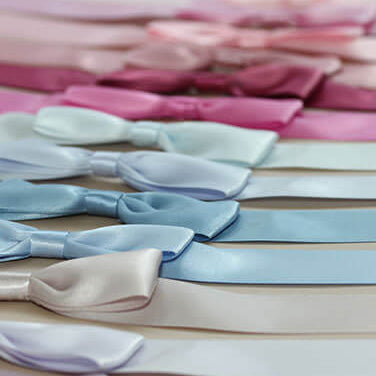
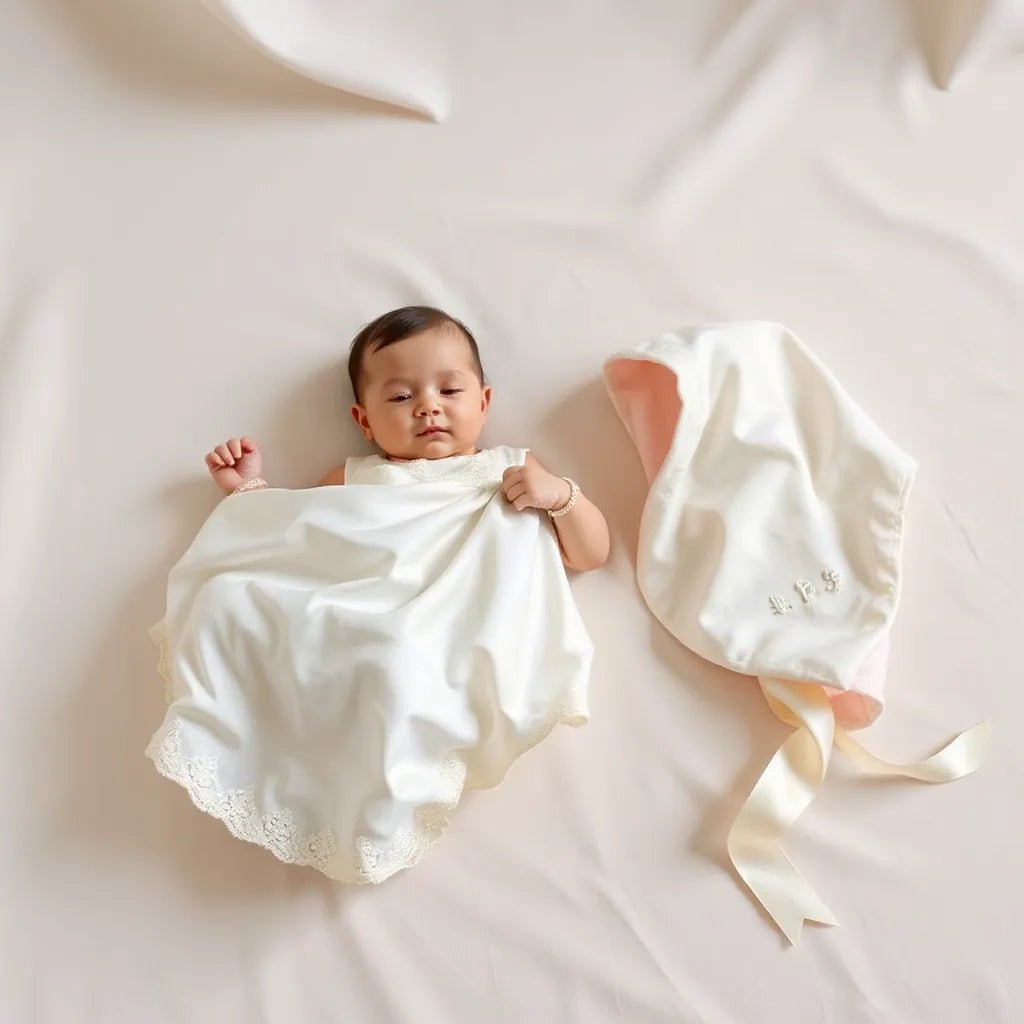
Soft lace textures and gentle drape fabric visuals
6) Set expectations for photos and presentation
Many families want the gown to look beautiful in photos, not only during the ceremony. To support that, consider how the fabric falls and how details appear from different angles. Embroidery can look lovely in close-up images, while a simple neckline and smooth skirt can read well in wider photos.
It can also help to think about the environment. Indoor lighting may emphasize subtle textures, while natural light can highlight overall shape and softness. Preparing a simple styling plan can make the photo time feel calm and organized.
7) Keep care in mind before you commit
Traditional baptism gowns may require careful cleaning and storage. Before choosing, review whether the gown is machine-friendly or whether it prefers gentler care. If the gown includes lace or embroidery, delicate handling is often helpful. If you want to keep the gown as a keepsake, plan for storage that protects fabric from dust and fading.
A thoughtful care plan can preserve the gown’s look over time. When in doubt, you can also consider doing a small spot test with your cleaning method, following any care instructions that come with the piece.
8) Consider an heirloom mindset
Some families choose a traditional baptism outfit because they hope it can be worn again or kept for the future. If that is your goal, you may want to prioritize timeless style and durable construction. Look for careful stitching, balanced proportions, and details that will still feel classic in years to come.
Even if the gown is only worn once, an heirloom mindset often leads to calmer decisions. You focus on comfort, quality, and a look that remains meaningful.
Common Questions Answered
How do I know which size to pick for a christening gown?
You can start with the child’s current measurements and compare them with the brand’s size guide. Since infants and toddlers can vary in proportions, it helps to consider how you want the gown to fit at the shoulders and neckline. If you expect to add a layer underneath, consider whether sizing one step up may offer more comfort and easier movement.
What makes a christening gown feel traditional without being too formal?
Traditional style often comes from classic silhouettes, gentle textures, and timeless details such as embroidery or lace trim. You can keep the look balanced by choosing a gown with refined elements but avoiding overly heavy or overly structured designs. Soft fabric and simple finishing usually make the overall appearance feel elegant without feeling stiff.
Are there ways to make a traditional christening gown more comfortable?
Comfort can improve when the fabric is breathable, the fit is not restrictive, and closures are easy for caregivers to manage. You can also plan for the day’s temperature by adding a soft wrap if needed. If the gown has delicate trims, making sure seams sit smoothly can help reduce irritation.
How should I style accessories with a classic gown?
Accessories typically look best when they complement the gown’s color and detailing. Many families choose soft socks, a simple wrap, or a gentle head covering that coordinates with lace or embroidery. Keeping accessories minimal often creates a cleaner, more timeless look in photos.
Summary & Next Steps
Traditional christening gowns are more than a beautiful outfit. They are part of a meaningful memory, and the right choice can feel calm, comfortable, and timeless. By focusing on fit, fabric softness, classic details, and practical styling, you can make decisions with confidence.
As a next step, you may want to review care instructions early, confirm sizing based on real measurements, and plan simple accessories that match the gown. If you are also exploring related options for special occasions, you can browse additional inspiration on the Oliprik collection to help you picture different styles and textures.
Most importantly, allow yourself space to choose what feels right. A thoughtful approach often brings the most lasting comfort.
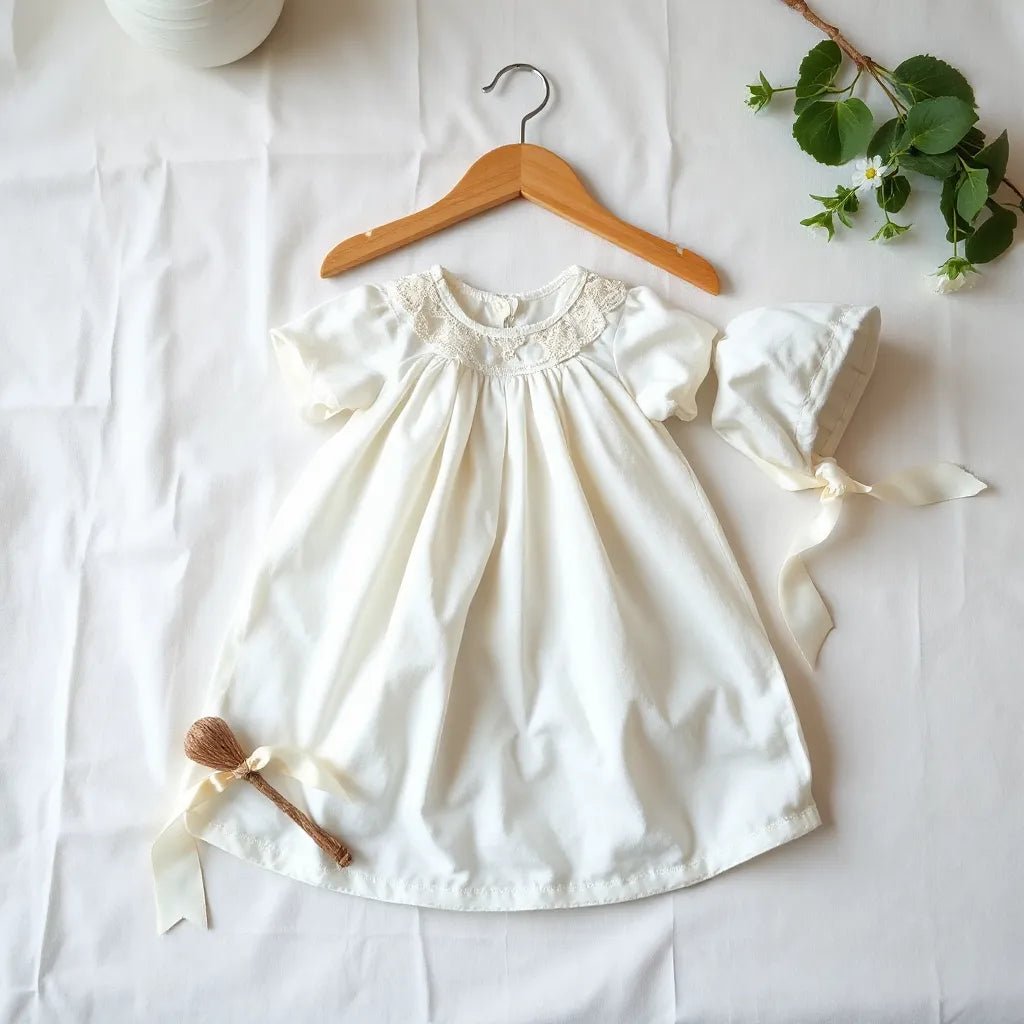
Timeless keepsake storage with soft fabric folds visuals
Q&A
Can a traditional christening gown be worn for other occasions?
Yes, many families reuse or repurpose classic pieces for other milestones. A timeless silhouette, gentle fabric, and refined detailing can work for photos, family gatherings, or celebratory moments. If you plan to wear it again, it can help to keep care steps in mind so the fabric remains comfortable and presentable.
What should I check the day of the ceremony?
You may find it helpful to check comfort before leaving, such as sleeve fit, neckline feel, and whether the gown sits smoothly. If weather could change, consider having a soft wrap nearby. For a calm routine, it can also help to confirm closures are accessible for caregivers and that accessories are ready in a separate, easy-to-reach place.
How can I keep lace or embroidery looking good over time?
Gentle handling and proper storage can make a meaningful difference. Follow the care instructions that come with the gown. If the piece requires careful washing or professional cleaning, choosing that approach can help preserve texture and detail. For storage, use a clean, dry place and keep the fabric protected from dust and excessive light.
About the Author
Hallur Saevarsson
Hallur Saevarsson shares practical guidance on selecting classic baby attire with a focus on comfort, presentation, and long-term value. With experience in curating quality details and helping families plan memorable occasions, they aim to make the process feel supportive and clear. Thank you for reading, and we hope your planning feels gentle and rewarding.
 Ameerika Ühendriigid
 Andorra
 Araabia Ühendemiraadid
 Argentina
 Austraalia
 Austria
 Bahrein
 Belgia
 Brasiilia
 Eesti
 Fääri saared
 Gibraltar
 Gröönimaa
 Hispaania
 Holland
 Horvaatia
 Iirimaa
 Island
 Itaalia
 Kanada
 Katar
 Küpros
 Kuveit
 Läti
 Leedu
 Liechtenstein
 Luksemburg
 Malta
 Monaco
 Norra
 Omaan
 Poola
 Portugal
 Prantsusmaa
 Rootsi
 Saksamaa
 San Marino
 Saudi Araabia
 Slovakkia
 Sloveenia
 Soome
 Šveits
 Taani
 Ühendkuningriik
 Ungari
 Uus-Meremaa
 Vatikan
