






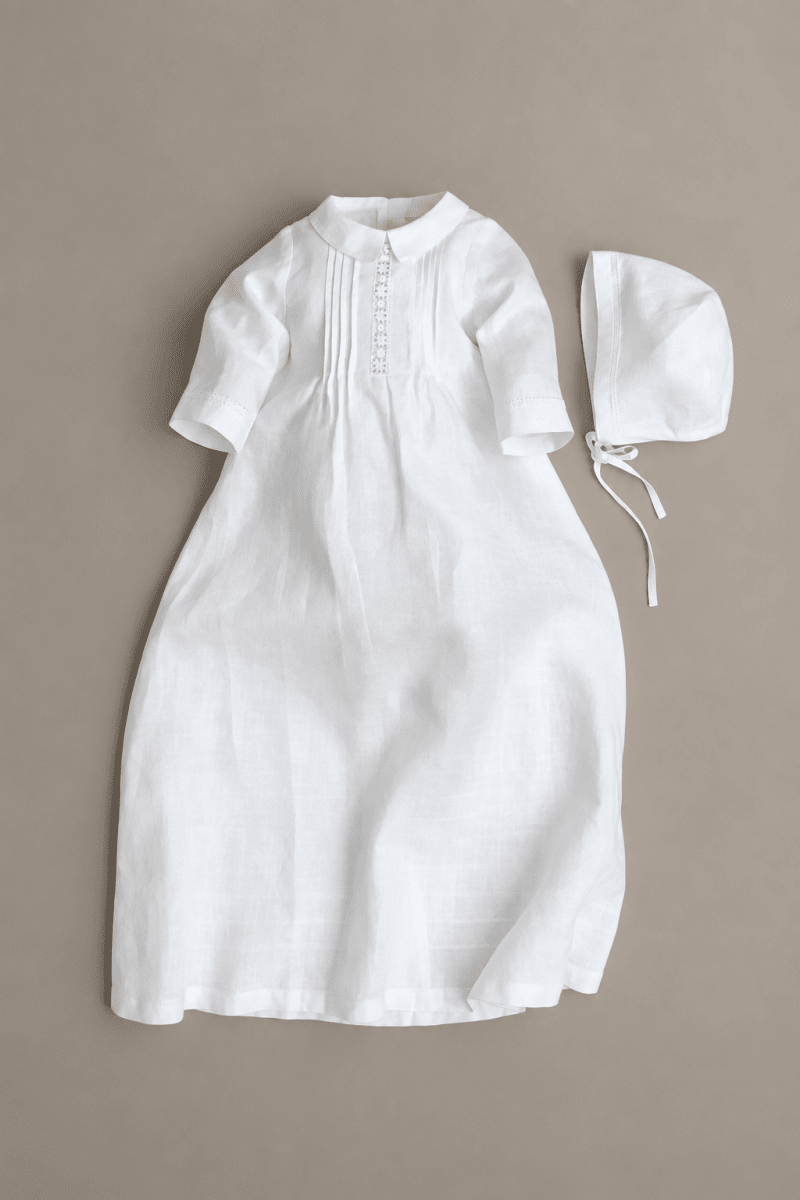
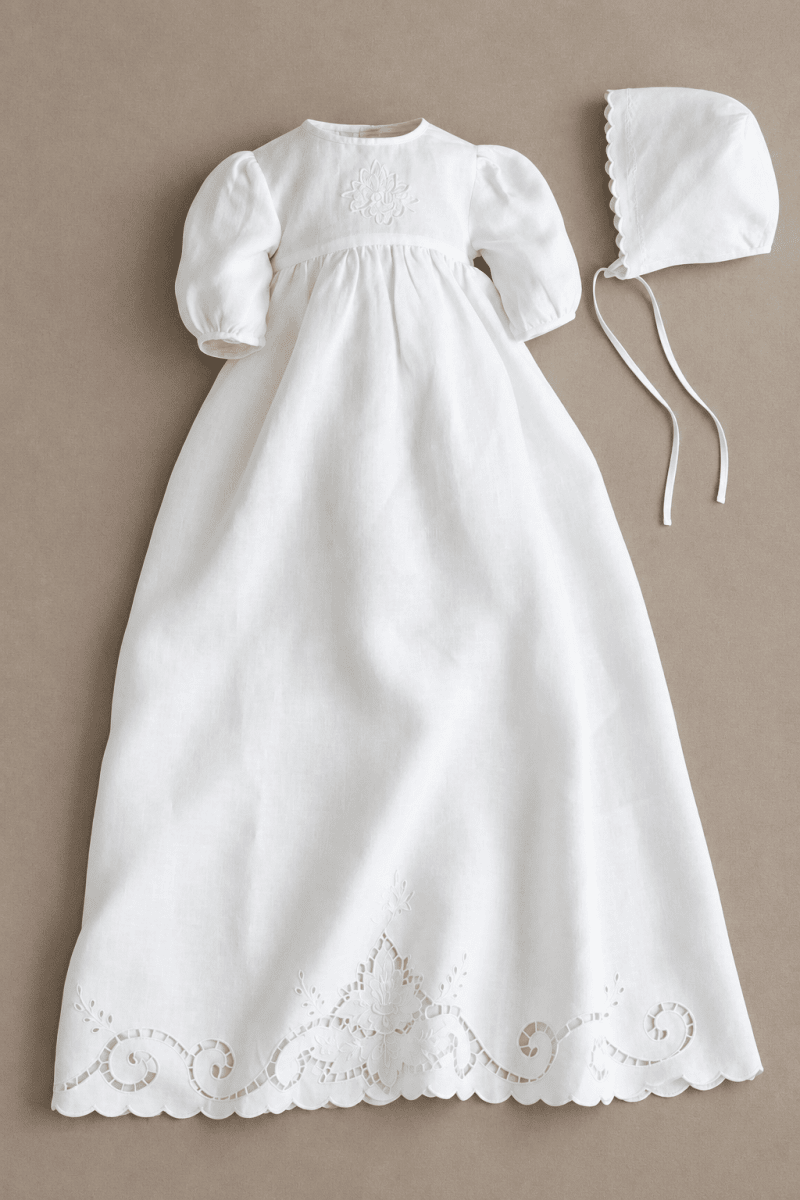
The Natural Beauty of Linen
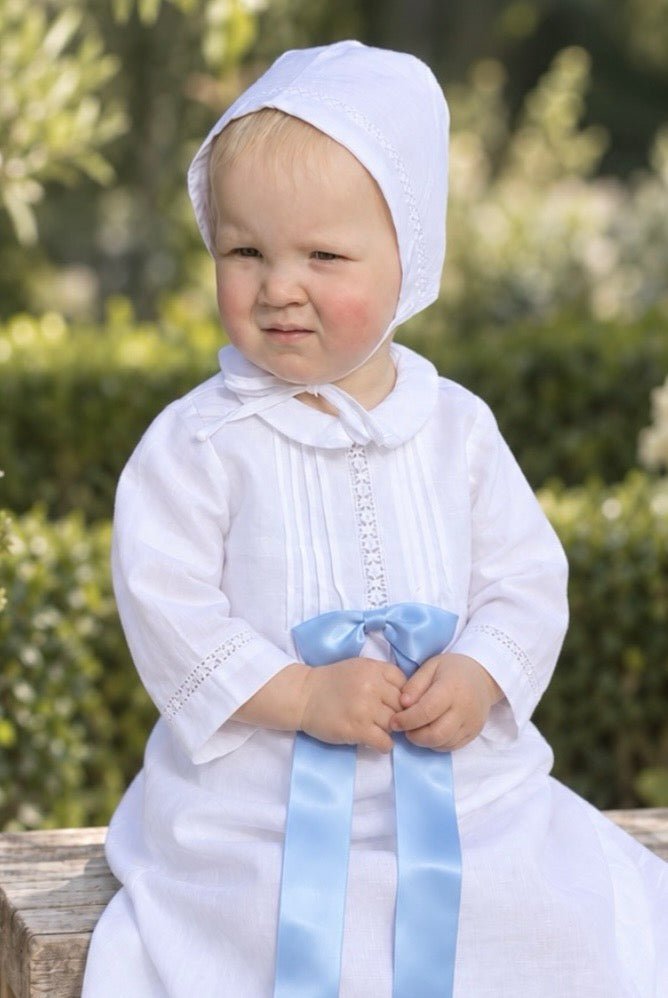
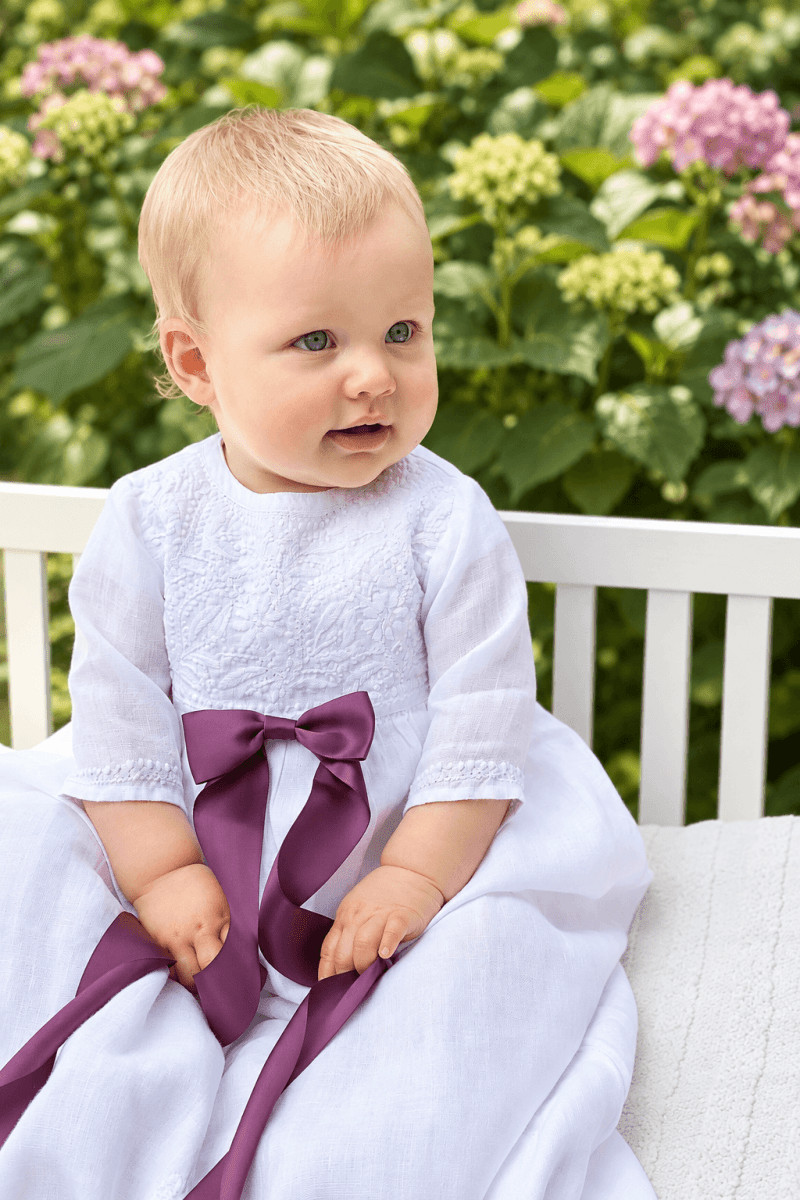
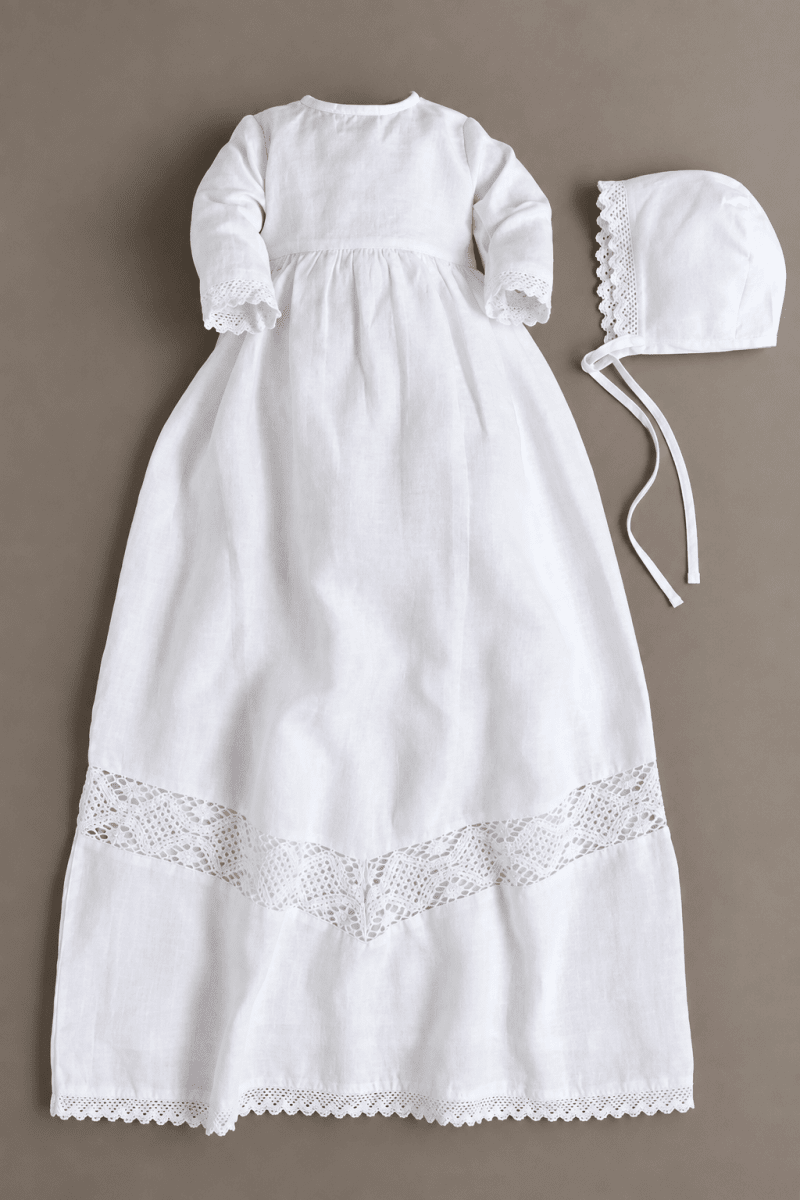
Linen has been prized for thousands of years for its exceptional properties and natural elegance. Made from flax fibers, linen is one of the strongest natural textiles, actually becoming softer and more beautiful with each wash and wear. The fabric's natural texture adds subtle visual interest and tactile appeal, while its inherent breathability makes linen christening gowns ideal for spring and summer ceremonies. Linen's natural temperature-regulating properties help keep babies comfortable, wicking moisture away while providing gentle coolness in warm settings. The fabric's subtle, natural luster creates a sophisticated appearance that photographs beautifully without artificial shine.
Scandinavian Heritage in Every Fiber
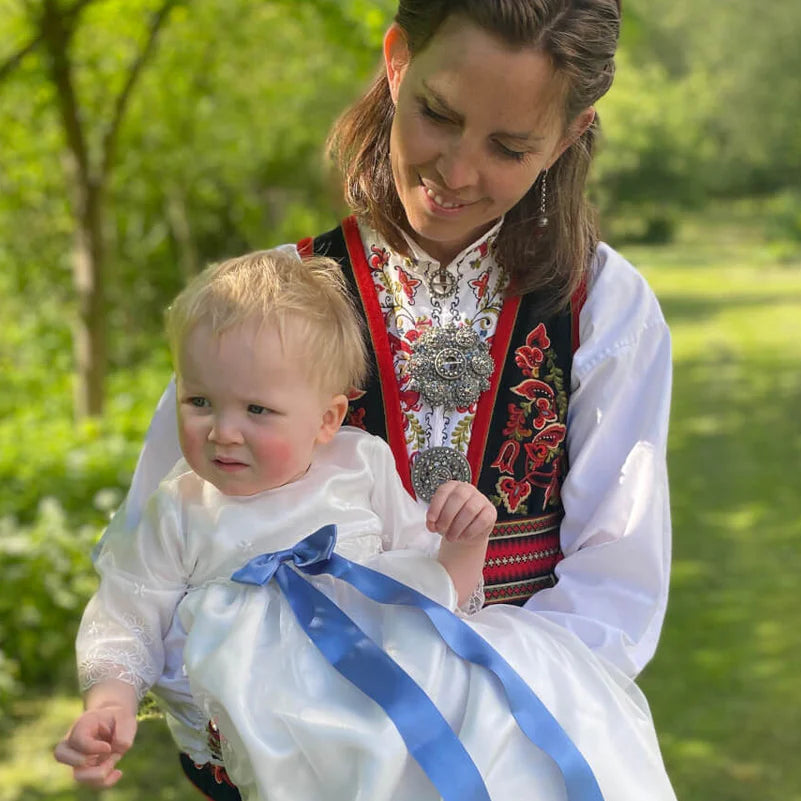
Linen holds special significance in Scandinavian culture and design traditions. Nordic countries have cultivated and woven linen for centuries, and the fabric's honest, natural character aligns perfectly with Scandinavian design principles of authenticity and functional beauty. Our linen christening gowns honor this heritage while incorporating contemporary design sensibilities, creating pieces that feel both rooted in tradition and refreshingly modern. The natural, slightly textured appearance of linen embodies the Nordic aesthetic of understated elegance and connection to nature.
Sustainable Luxury for Conscious Families
For families who value sustainability and environmental responsibility, linen christening gowns offer an exceptional choice. Flax, the plant from which linen is made, requires minimal water and pesticides compared to other fiber crops, making linen one of the most environmentally friendly natural fabrics. The exceptional durability of linen means these gowns can be passed down through multiple generations, reducing consumption and creating lasting family connections. This combination of environmental consciousness and heirloom quality makes linen gowns ideal for families who wish to celebrate their baby's christening in a way that honors both tradition and responsibility to future generations.
 Andorra
 Argentina
 Australia
 Austria
 Bahrain
 Belgium
 Brazil
 Canada
 Croatia
 Cyprus
 Denmark
 Estonia
 Faroe Islands
 Finland
 France
 Germany
 Gibraltar
 Greenland
 Hungary
 Iceland
 Ireland
 Italy
Italy
 Kuwait
 Latvia
 Liechtenstein
 Lithuania
 Luxembourg
 Malta
Malta
 Monaco
 Netherlands
 New Zealand
 Norway
 Oman
Oman
 Poland
 Portugal
 Qatar
Qatar
 San Marino
 Saudi Arabia
 Slovakia
 Slovenia
 Spain
Spain
 Sweden
 Switzerland
 United Arab Emirates
 United Kingdom
 United States
 Vatican City