



Navigating Parenting Challenges the Nordic Way
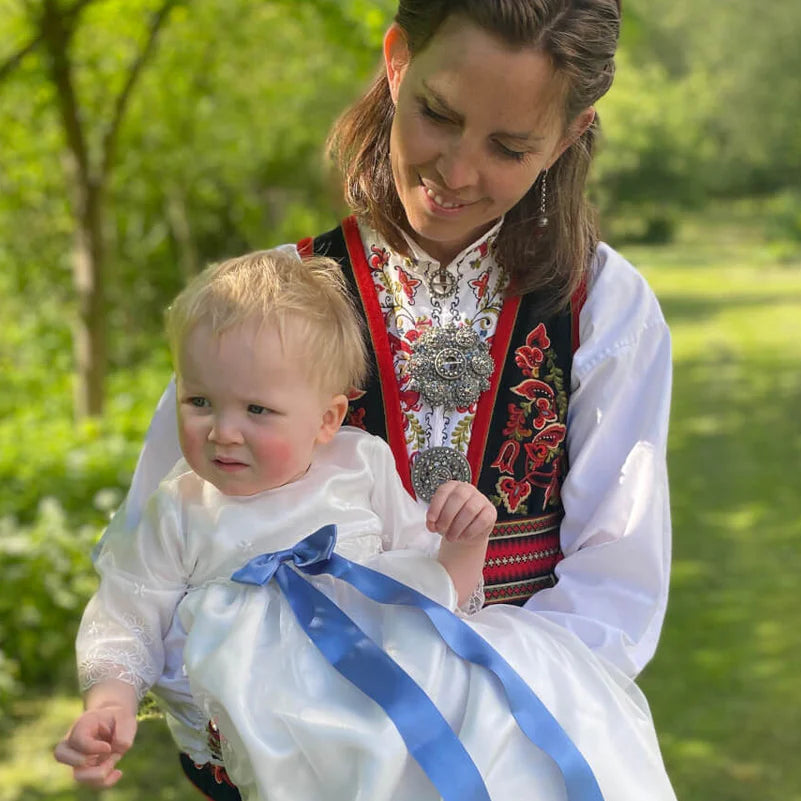
Parenting, in all its forms, can sometimes feel like an uphill battle. From managing temper tantrums to juggling work-life balance, each stage presents its own set of challenges. But what if there was a time-tested approach that offered a more peaceful and balanced path? Enter Nordic parenting—a style known for its emphasis on freedom, trust, and a robust connection with nature.
Table of Contents
- Table of Contents
- The Nordic Parenting Philosophy
- Lessons from Scandinavian Parents
- Creating a Cozy Home Environment
- Embracing the Outdoors
- FAQs
The Nordic Parenting Philosophy
At the heart of Nordic parenting is a fundamental respect for each child's individuality and a focus on cultivating their independence. Scandinavian countries have long been admired for their exceptional quality of life, including their approach to raising children. This parenting style encourages kids to explore, learn from their surroundings, and develop their sense of judgement.
One of the essential components of Nordic parenting is the concept of Hygge, a Danish term that encapsulates the art of creating coziness and warmth. For parents, it's about crafting an environment where children feel safe, loved, and valued. You can explore more about incorporating Hygge into your parenting practices in our article Essential Hygge Practices Every Parent Should Know.
Lessons from Scandinavian Parents
Nordic parenting offers a treasure trove of insights that can be valuable for parents across the globe. In the article 5 Surprising Lessons from Scandinavian Parents, we delve into some of these lessons, such as the importance of outdoor play and the power of simplicity in nurturing creativity and problem-solving skills.
Creating a Cozy Home Environment
A significant aspect of Nordic parenting is the ability to create a nurturing home environment that fosters growth and learning. Utilizing Hygge practices and other Nordic techniques, it's possible to transform your living space into a haven of warmth and connection. For practical steps on how to do this, check out our guide How to Cultivate a Cozy Home Environment with Nordic Parenting Techniques.
Embracing the Outdoors
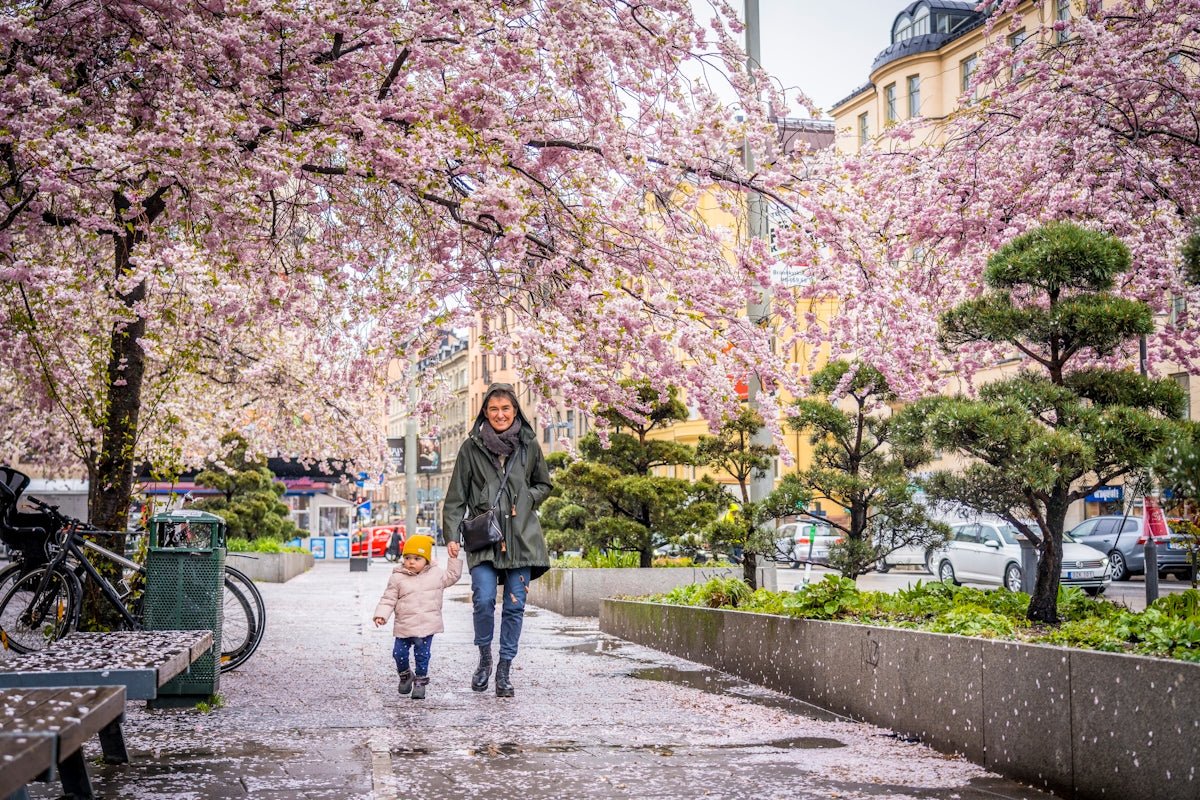
In Nordic countries, the philosophy of "there is no such thing as bad weather, only bad clothing" rings true, encouraging families to embrace the outdoors year-round. Whether it’s a snowy winter day or a sunny afternoon, getting outside is vital for children's development and well-being.
By adopting these Nordic principles, you can foster resilience, creativity, and happiness in your little ones, navigating parenting challenges with a different perspective. Explore more about parenting and other insightful topics on Oliprik.
FAQs
What are some of the key principles of Nordic parenting?
Nordic parenting emphasizes a balance between independence and support for children. Parents encourage self-sufficiency while providing a nurturing environment. Key principles include valuing play, promoting equality among children, and fostering close family relationships.
How do Nordic parents handle discipline?
Discipline in Nordic countries often focuses on guiding rather than punishing. Parents tend to use natural consequences and discussions to help children understand their actions, promoting a sense of accountability and responsibility.
What role does outdoor activity play in Nordic parenting?
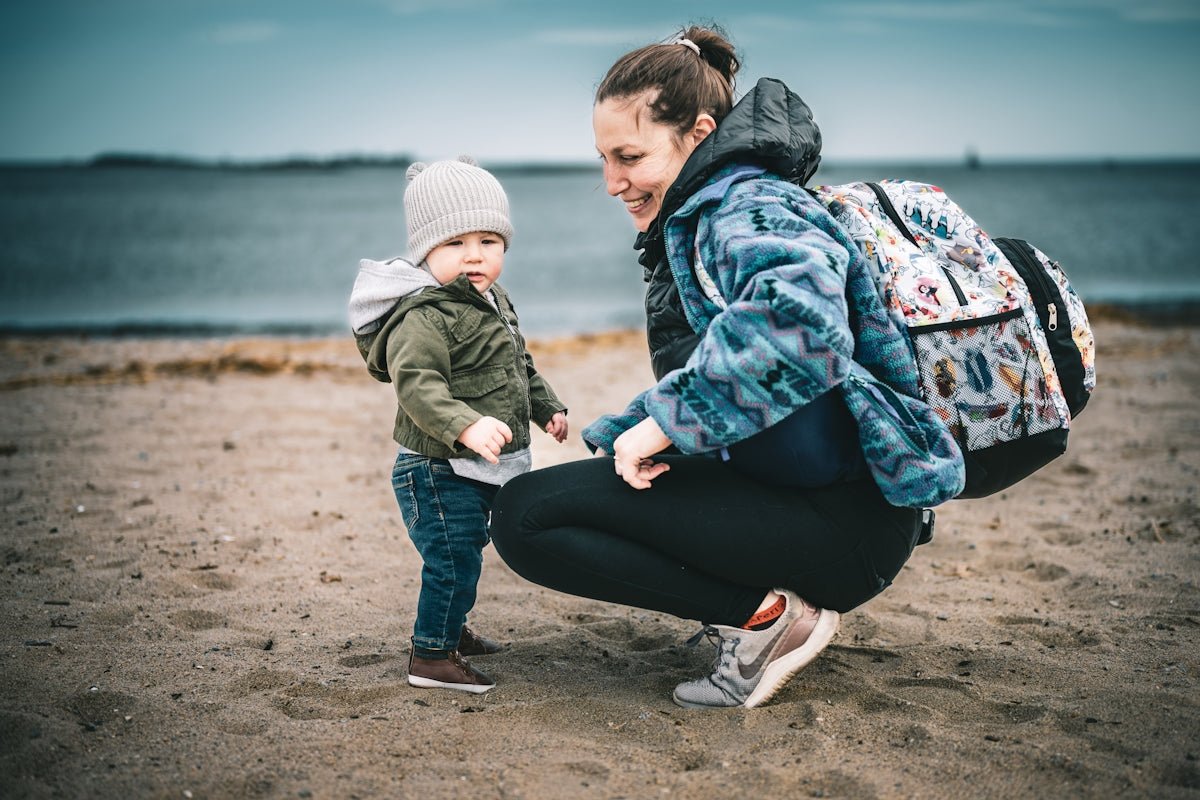
Outdoor activity is highly valued in Nordic culture, with parents encouraging their children to spend time outside regardless of the weather. This approach fosters resilience, promotes physical health, and connects children with nature.
How do Nordic countries support work-life balance for parents?
Nordic countries often provide generous parental leave policies and flexible work hours. This support allows parents to spend quality time with their children while also pursuing their careers, reinforcing the importance of both family and professional life.
What are the benefits of the Nordic approach to early childhood education?
The Nordic approach emphasizes play-based learning in early childhood education. Research indicates that this fosters creativity, critical thinking, and social skills, leading to well-rounded development in children.
How can parents in non-Nordic countries adopt some Nordic parenting practices?
Parents can adopt Nordic practices by prioritizing outdoor play, encouraging independence in their children, fostering open communication, and seeking a work-life balance. Sharing parenting responsibilities and promoting collaborative family time are also key aspects to consider.
What is the significance of community involvement in Nordic parenting?
Community plays a crucial role in Nordic parenting. Parents often rely on a strong network of friends, family, and neighbors for support, which helps create a sense of belonging and allows for shared responsibilities in raising children.
How do Nordic parents approach screen time for children?
Nordic parents are typically mindful of screen time and encourage limited use. They promote active, engaging activities instead and often emphasize the importance of face-to-face interactions and outdoor play to foster healthier habits.
What can I learn from Nordic parenting tips for resilience?
Nordic parenting promotes resilience by encouraging children to face challenges and learn from failures. Parents instill a growth mindset, which helps children understand that setbacks are opportunities for learning and growth rather than obstacles.
 Andorra
 Argentina
 Australia
 Austria
 Bahrain
 Belgium
 Brazil
 Canada
 Croatia
 Cyprus
 Denmark
 Estonia
 Faroe Islands
 Finland
 France
 Germany
 Gibraltar
 Greenland
 Hungary
 Iceland
 Ireland
 Italy
Italy
 Kuwait
 Latvia
 Liechtenstein
 Lithuania
 Luxembourg
 Malta
Malta
 Monaco
 Netherlands
 New Zealand
 Norway
 Oman
Oman
 Poland
 Portugal
 Qatar
Qatar
 San Marino
 Saudi Arabia
 Slovakia
 Slovenia
 Spain
Spain
 Sweden
 Switzerland
 United Arab Emirates
 United Kingdom
 United States
 Vatican City
