



Comparing Scandinavian and American Family Dynamics
In today's fast-paced world, family dynamics vary greatly across cultures, reflecting unique societal values and historical influences. In this post, we'll explore the fascinating differences and similarities between Scandinavian and American families.
Table of Contents
- Table of Contents
- The Scandinavian Approach to Family Life
- American Family Dynamics
- Bridging the Cultural Gap
- FAQs
The Scandinavian Approach to Family Life
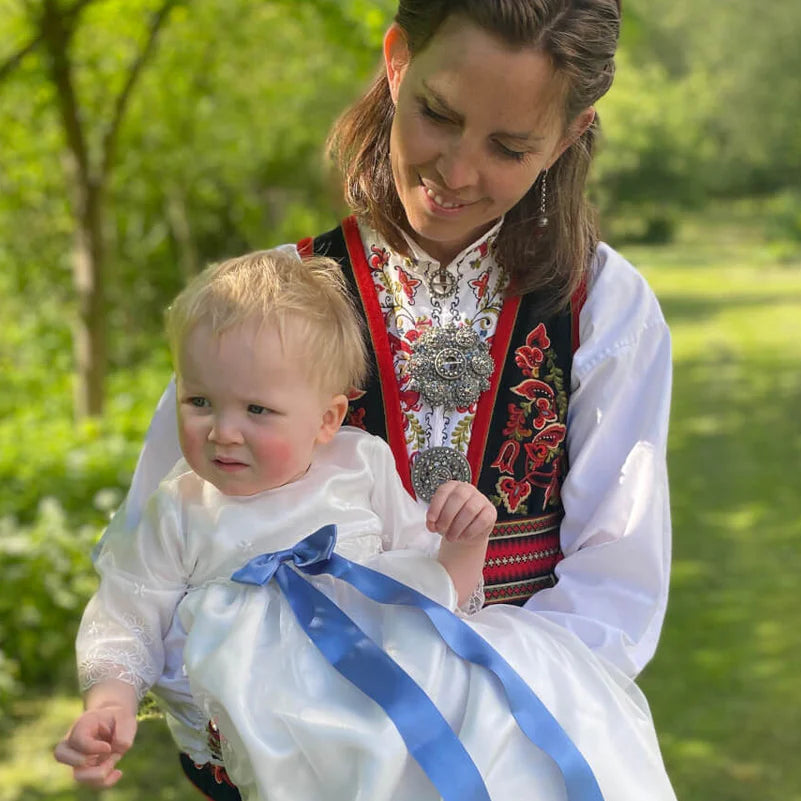
Scandinavian countries, known for their investment in human well-being and social equality, often exhibit a distinctive approach to family life. One of the most celebrated aspects is their parenting style, which is rooted in fostering independence and resilience from a young age. The emphasis is on providing children with both the freedom to explore and the guidance to develop emotional strength.
For a deeper understanding of these parenting methods, consider reading our article on FAQs About Nordic Parenting Explained. This article delves into commonly asked questions about the Nordic parenting philosophy and how it shapes family dynamics.
Another key element in Scandinavian family life is the concept of "hygge." This Danish term encapsulates creating cozy, inviting spaces that encourage connection and comfort within the home. By designing family spaces that exude warmth, families foster greater closeness and well-being. You can learn more about shaping such environments in our Step-by-Step Guide to Building a Hygge Family Space.
American Family Dynamics
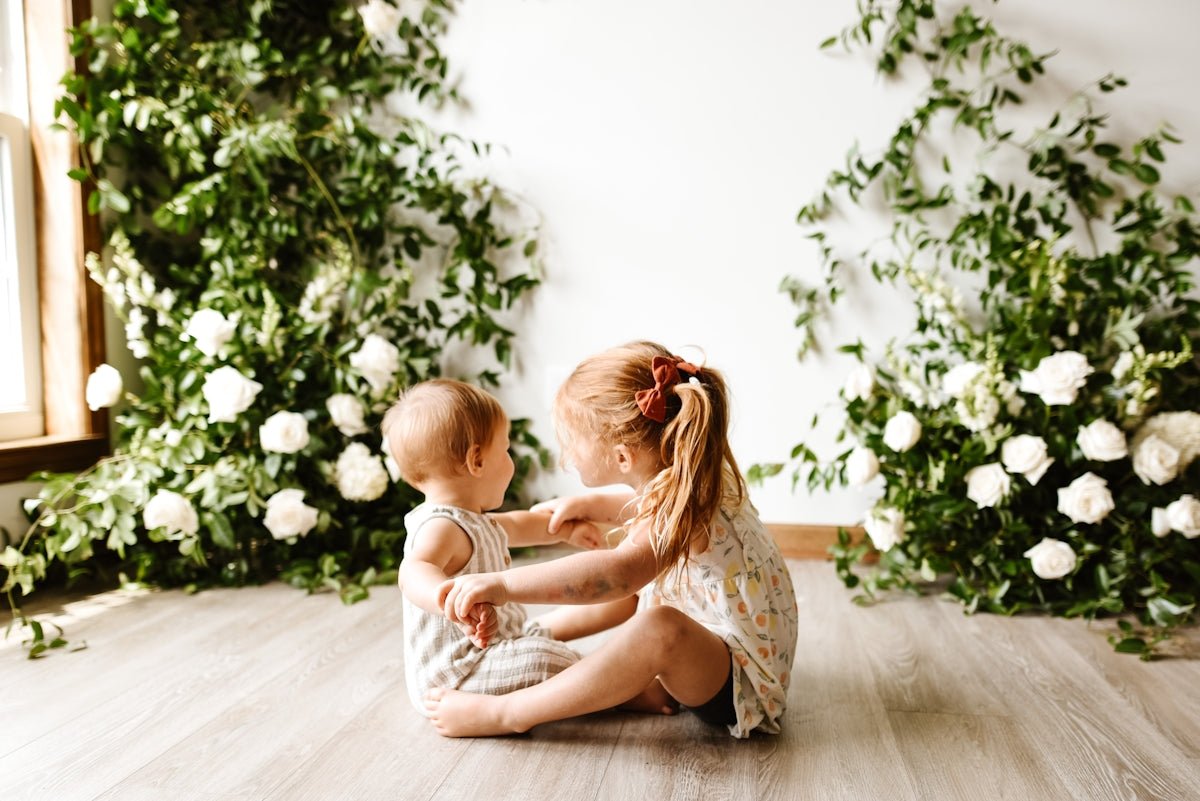
American families often emphasize individuality and personal achievement. The traditional family structure in the United States has evolved over time, adapting to cultural shifts and economic changes. While Scandinavian countries benefit from extensive social support systems, American families frequently face challenges such as balancing work and family life without as much state intervention.
However, American families have strengths of their own, such as fostering entrepreneurial spirit and innovation within the home. The emphasis on achieving the "American Dream" often encourages a goal-oriented mindset within families, promoting perseverance and personal growth.
Bridging the Cultural Gap
Despite differences, both Scandinavian and American families strive to nurture emotionally healthy and resilient children. The integration of Scandinavian-inspired practices can benefit families worldwide. For example, fostering emotional resilience, a common theme in Scandinavian parenting, can help strengthen family bonds and develop well-rounded individuals. For insights on this topic, we recommend the article Fostering Emotional Resilience in Children with Scandinavian Methods.
Exploring these cultural dynamics enriches our understanding of family life and provides us with valuable insights to enhance our own family interactions.
For more articles on parenting, family dynamics, and the cozy art of hygge living, visit Oliprik.
FAQs
What are the main differences between Scandinavian and American family structures?
Scandinavian family structures often emphasize equal partnerships and shared parenting responsibilities, while American families may vary widely in their dynamics, with traditional roles still prevalent in some regions.
How do parenting styles differ between Scandinavia and the United States?
In Scandinavia, parenting tends to focus on fostering independence and encouraging children's self-reliance, while in the U.S., parenting styles can range from authoritative to permissive, with some parents emphasizing discipline and achievement.
What role does government policy play in family dynamics in Scandinavia compared to the U.S.?
Scandinavian countries typically offer extensive parental leave and subsidized childcare, which supports family bonding and equality. In contrast, U.S. policies surrounding parental leave and childcare can be less comprehensive, placing greater stress on families.
How do cultural values influence family interactions in Scandinavia and America?
Scandinavian cultures often prioritize collective well-being, which can lead to strong community support systems, whereas American culture commonly emphasizes individualism and personal achievement, affecting family relationships and interactions.
What is the impact of gender roles on family life in both regions?
In Scandinavia, gender roles are becoming increasingly fluid, promoting shared household responsibilities between parents. In the U.S., while there has been progress, traditional gender roles can still influence the division of labor in households.
How is work-life balance approached differently in these two regions?
Scandinavian countries generally prioritize work-life balance, offering shorter workweeks and generous parental benefits. In the U.S., the balance can be skewed towards longer hours and less vacation time, often resulting in families spending less time together.
What are common challenges faced by families in both Scandinavia and the U.S.?
Families in both regions face challenges such as economic pressures, work-related stress, and balancing screen time with quality family interactions. However, the specific nature and impact of these challenges can vary, often influenced by cultural context.
Are there any notable trends in family dynamics currently observed in both regions?
Both Scandinavian and American families are increasingly diverse, with rising numbers of single-parent households, blended families, and same-sex partnerships. Additionally, technology's role in family life is growing, affecting communication and interactions across both cultures.
How do educational approaches in Scandinavia and the U.S. influence family dynamics?
Scandinavian education systems tend to focus on collaboration and personal development, positively impacting family cohesion. In contrast, the U.S. school system often emphasizes competition and standardized testing, which can place additional stress on families.


 Andorra
 Argentina
 Australia
 Austria
 Bahrain
 Belgium
 Brazil
 Canada
 Croatia
 Cyprus
 Denmark
 Estonia
 Faroe Islands
 Finland
 France
 Germany
 Gibraltar
 Greenland
 Hungary
 Iceland
 Ireland
 Italy
Italy
 Kuwait
 Latvia
 Liechtenstein
 Lithuania
 Luxembourg
 Malta
Malta
 Monaco
 Netherlands
 New Zealand
 Norway
 Oman
Oman
 Poland
 Portugal
 Qatar
Qatar
 San Marino
 Saudi Arabia
 Slovakia
 Slovenia
 Spain
Spain
 Sweden
 Switzerland
 United Arab Emirates
 United Kingdom
 United States
 Vatican City
