


How to Choose High-Quality Christening Fabrics
Updated on: 2026-05-22
Summary
Choosing high-quality christening fabrics can feel challenging at first, yet it becomes much easier with the right checklist. This guide explains what to look for in fabric softness, weave, breathability, and finish quality. It also highlights common mistakes, practical setup tips, and a balanced pros-and-cons view. By the end, you will have a calmer way to compare options and make a choice you will feel good about.
If you shop for christening wear often, you will also find ways to protect the fabric so it stays beautiful over time. For many families, that matters as much as the look.
Table of Contents
The choice of high-quality christening fabrics plays a bigger role than many people expect. The right material can feel gentle on delicate skin, sit well on the body, and hold its beauty through care routines. It can also help you feel more at ease on a special day, because the clothing behaves the way you hope it will. In this post, you will learn a clear way to evaluate fabric quality, avoid common missteps, and choose materials that are comfortable and timeless.
Common Mistakes to Avoid
One common mistake is focusing only on appearance. A fabric can look elegant in a photo, but softness and comfort are what you will notice in real life. If a material feels stiff, scratchy, or overly warm, it may not be the best choice for a christening outfit that is meant to be worn gently.
Another mistake is ignoring breathability. Babies and young children can warm up faster than adults. Fabrics that do not breathe well may feel heavy during indoor ceremonies or while families are moving from one place to another. Choosing a breathable weave can support comfort throughout the event.
People also sometimes overlook how the fabric finishes and seams are made. If the edges feel rough or the seam work is not neat, it can affect how the clothing touches the skin. A careful look at finishing details helps reduce the chance of irritation.
Some shoppers compare fabrics by weight alone. While weight can hint at density, it does not automatically tell you about softness or airflow. Two fabrics of similar weight can feel very different due to fiber type and weave structure.
Finally, many families skip a care check. Even beautiful fabrics can dull, shrink, or lose shape if care instructions are not matched to your routine. A simple care plan often protects the garment for future keepsakes.
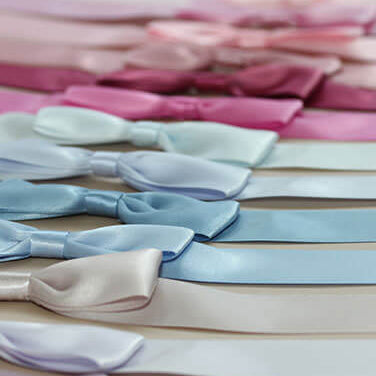
Breathable fibers and soft texture symbols
Pros & Cons Analysis
When you compare high-quality christening fabrics, it can help to weigh the practical benefits alongside the trade-offs. Below is a balanced view, written to support thoughtful decision-making.
Pros
- Comfort on sensitive skin: Soft, well-finished textiles often feel gentler and reduce the chance of irritation.
- Better drape and fit: A quality weave can help the outfit fall nicely and look tidy in photos.
- Stronger durability: Good fiber structure and careful finishing can help garments stay presentable through proper care.
- Timeless look: Classic textures and clean finishes tend to remain appealing over years.
- More consistent feel: Higher-quality fabrics usually deliver a more uniform texture and color depth.
Cons
- Care may be more specific: Some premium textiles require gentle washing or careful drying.
- Cost can be higher: Quality fibers and finishing can increase the price.
- Season planning still matters: Even comfortable fabrics may need layering for cooler or warmer settings.
- Limited stretch options: Some woven fabrics offer structure but less give, which may affect sizing decisions.
If you are exploring christening style and want to pair fabric quality with the right garments, it can also help to consider the overall outfit design. You may find useful inspiration on Shop baby essentials and browse categories that focus on refined materials.
Quick Tips
Here are practical steps you can use right away when evaluating materials for christening wear. These suggestions are simple, yet they tend to make comparisons clearer.
- Check softness signals: Look for descriptions that emphasize gentle touch, smooth feel, and careful finishing.
- Prefer breathable weaves: Choose fabrics known for comfortable airflow, especially for spring and summer ceremonies.
- Look closely at seams and edges: Neat stitching and smooth borders often reduce contact with rough areas.
- Confirm color stability: Quality textiles usually keep color depth better when cared for properly.
- Match fabric to the climate: Plan layering with a light option if temperatures fluctuate.
- Test for comfort before the day: If you can, let the garment rest and settle so it feels familiar during a calm pre-event moment.
- Follow care instructions closely: Gentle washing and correct drying help maintain texture and shape.
- Store with care: Use breathable storage and keep garments clean before sealing them for keepsakes.
To support a smoother shopping experience, it may help to focus on one or two key priorities. For example, some families prioritize softness first, while others prioritize the way fabric holds its shape. When your priorities are clear, it becomes easier to compare options without feeling overwhelmed.
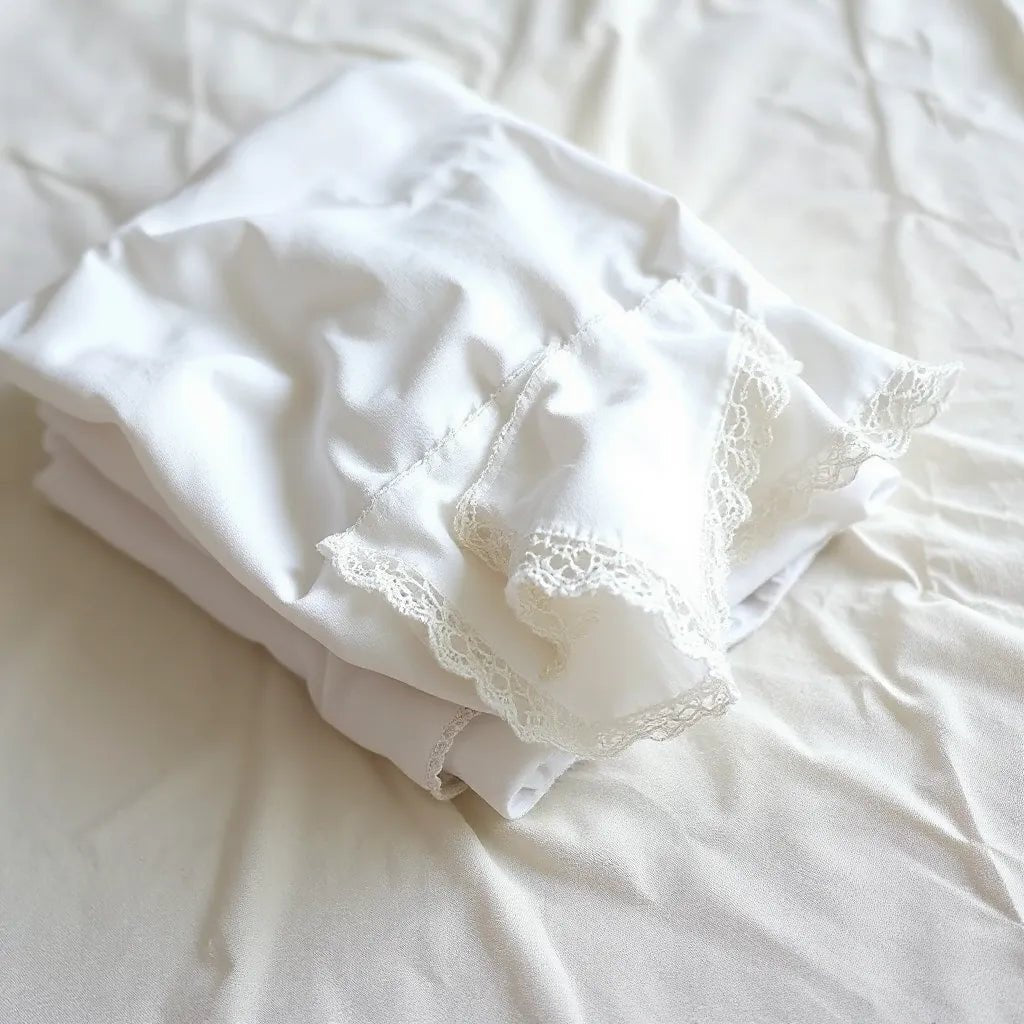
Care symbols for wash, dry, and long-term storage
Wrap-Up & Key Insights
Choosing high-quality christening fabrics is often less about chasing the most expensive option and more about matching fabric behavior to the moment. By avoiding the common pitfalls like overlooking breathability, seam finishing, and care details, you can select materials that feel better and look refined. A thoughtful comparison of pros and cons helps you weigh comfort, durability, and care requirements in a calm way.
If you want to keep exploring, you may also appreciate browsing practical baby styling ideas and outfit building tips at the store collections. When you are ready to decide, focus on what will matter most during wear: softness, airflow, and careful finishing.
Gentle reminder: Every family’s needs are unique, and comfort can vary from person to person. Using the checklist above can help you choose confidently, while still respecting what feels right for your child.
Q&A Section
How can I tell if christening fabric will feel soft enough?
You can start by reading product descriptions that mention smooth touch and careful finishing. If the option includes fabric composition details, look for fibers that are commonly associated with gentle feel. When possible, consider how the garment is finished at seams and edges, since rough borders can feel unpleasant even on otherwise soft textiles.
What is more important: breathability or fabric thickness?
Breathability is often more important for day-to-day comfort because it supports airflow and helps manage warmth. Thickness can affect structure and drape, but it does not always predict how warm something will feel. If you are unsure, look for cues about weave type and comfort, and consider layering for temperature changes.
Do high-quality fabrics always need special care?
Many higher-quality textiles benefit from gentle care to preserve texture and color. That does not always mean complicated steps, but it does mean following the care guidance closely. A simple approach like using gentle cycles, avoiding harsh drying methods, and storing the garment properly can help maintain the fabric over time.
Will a breathable fabric still look formal in photos?
Yes, breathability and formal appearance can work together. Quality textiles often provide a polished drape and clean finishes that photograph beautifully. When you choose a fabric with a refined weave and neat finishing, you can get both comfort and an elegant look without needing heavy materials.
About the Author Section
Hallur Saevarsson
Hallur Saevarsson writes with a focus on fabric quality, comfort-first styling, and thoughtful baby garment choices. With a friendly approach, they share practical guidance that helps families feel confident when selecting materials for meaningful occasions. Thanks for reading, and I hope this guide makes your next decision feel calmer and more clear.
Disclaimer: This article is for general informational purposes only. It does not replace professional medical advice or guidance from your child’s healthcare provider. Always follow the garment care instructions provided by the manufacturer and consider your child’s comfort and sensitivities.
 Andorra
 Argentina
 Australia
 Austria
 Bahrain
 Belgium
 Brazil
 Canada
 Croatia
 Cyprus
 Denmark
 Estonia
 Faroe Islands
 Finland
 France
 Germany
 Gibraltar
 Greenland
 Hungary
 Iceland
 Ireland
 Italy
Italy
 Kuwait
 Latvia
 Liechtenstein
 Lithuania
 Luxembourg
 Malta
Malta
 Monaco
 Netherlands
 New Zealand
 Norway
 Oman
Oman
 Poland
 Portugal
 Qatar
Qatar
 San Marino
 Saudi Arabia
 Slovakia
 Slovenia
 Spain
Spain
 Sweden
 Switzerland
 United Arab Emirates
 United Kingdom
 United States
 Vatican City
