


Choosing Artisan-Crafted Baptism Apparel for Comfort
Updated on: 2026-07-23
Choosing artisan-crafted baptism apparel can make a meaningful day feel even more personal. Thoughtful materials, careful stitching, and gentle details help comfort both baby and caregivers. A well-made set also keeps its shape and softness for future keepsakes. This guide covers what to look for, practical ways to size and care for garments, and honest trade-offs to consider before you buy.
Pros & Cons of Main Topic
Artisan-crafted baptism apparel is often loved for its emotional value and its attention to the small things. Still, it helps to look at both strengths and possible downsides so you can choose with confidence.
Benefits you may notice right away
Gentle comfort: Many artisan-made pieces prioritize soft feel, flexible construction, and skin-friendly touches.
Craft details: Visible stitching, thoughtful closures, and careful finishing can make the outfit feel “finished,” not rushed.
Better long-term keepsake: When garments are built with quality in mind, they are often easier to store and revisit later.
Meaningful personalization: Handmade styles can look distinct, which many families appreciate on a day with special photos.
Trade-offs worth considering
Higher cost: Craft time and quality materials can make artisan options more expensive than basic sets.
Lead time: Some items may take longer to produce, especially if they are made in smaller batches.
Care may require attention: Delicate fabrics or finishes may need gentler washing and drying.
Fit expectations: Handmade sizing can vary slightly, so measuring or reviewing sizing guidance can be important.
If you are comparing options, try to connect the features to your real situation: weather, photo plans, how long the ceremony may last, and whether the outfit will be worn again.
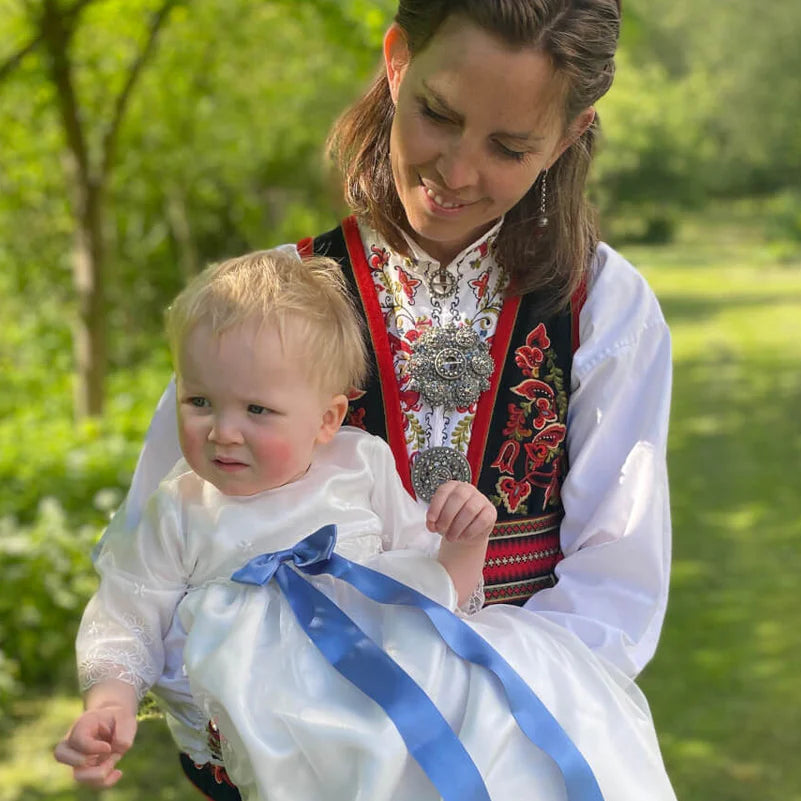
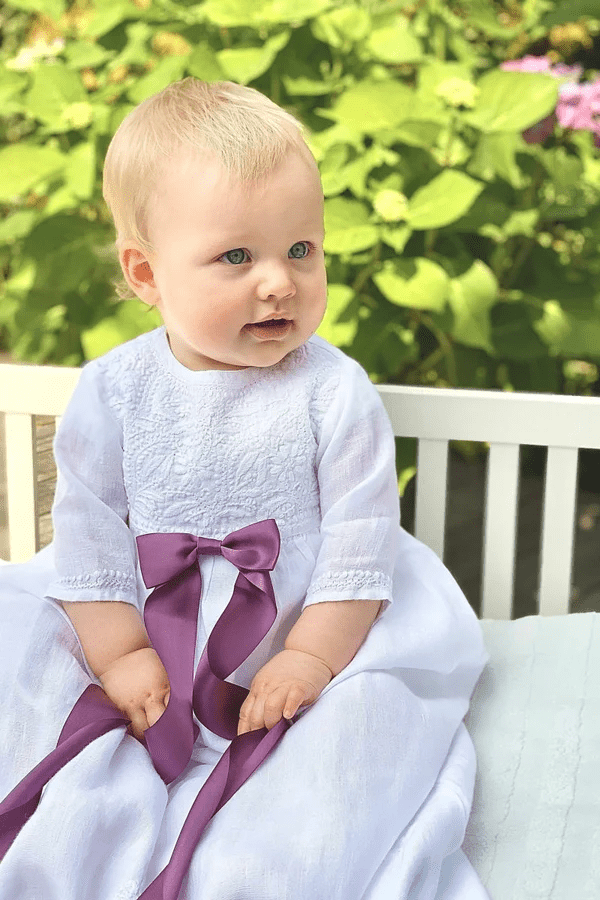
Soft fabric textures, gentle stitching, warm light mood
Step-by-Step Practical Guide
If you want to choose artisan-crafted baptism apparel that feels comfortable and photograph-friendly, it helps to follow a simple process. The steps below are designed to be clear, calm, and practical.
Start with the day’s needs
Begin by thinking about the flow of the day. Will you be mostly indoors, or will there be travel between locations? Consider how long the outfit needs to stay comfortable during sitting, holding, and moving. Also note whether you prefer easy-on closures or a more formal look. When you match your choice to your schedule, the outfit becomes less of a worry and more of a support.
Choose comfort-forward materials
Look for fabrics that feel soft against the skin and that allow movement. Common “comfort-first” traits include breathable fibers, smooth seams, and finishes that do not feel scratchy. If you are unsure, prioritize materials labeled as gentle for baby wear. For many families, the biggest difference comes from fabric softness and seam placement rather than decoration.
To make your search easier, you can explore related essentials on the Oliprik collection for fabric and garment comfort inspiration.
Focus on fit and movement
A well-fitted outfit can help with posture and comfort during photos and ceremony moments. Aim for a fit that allows natural movement without tightness at the shoulders, waist, or arms. If a garment includes layered elements, check whether those layers can sit neatly without bunching around the neck or wrists. When possible, compare the sizing chart to the baby’s current measurements rather than relying on age alone.
It is also helpful to plan for minor variations. Babies can grow quickly, and handmade pieces sometimes have a slightly different finish than mass-produced styles. If you are between sizes, consider how you will handle it on the day, such as using a light layer underneath or adjusting how the garment is closed.
Inspect details that matter
Artisan-crafted quality often shows up in details. Before you decide, review these elements:
Seams and lining: Smooth seams on contact areas can reduce rubbing.
Closures: Look for closures that open and close easily for dressing while keeping the garment secure.
Embellishments: If there are delicate accents, make sure they are securely attached and not overly bulky.
Neck and head area: Ensure the opening feels comfortable and does not pinch.
Photography tends to highlight texture, drape, and finishing. Even simple details, such as clean edges and balanced proportions, can make the outfit look refined in images.
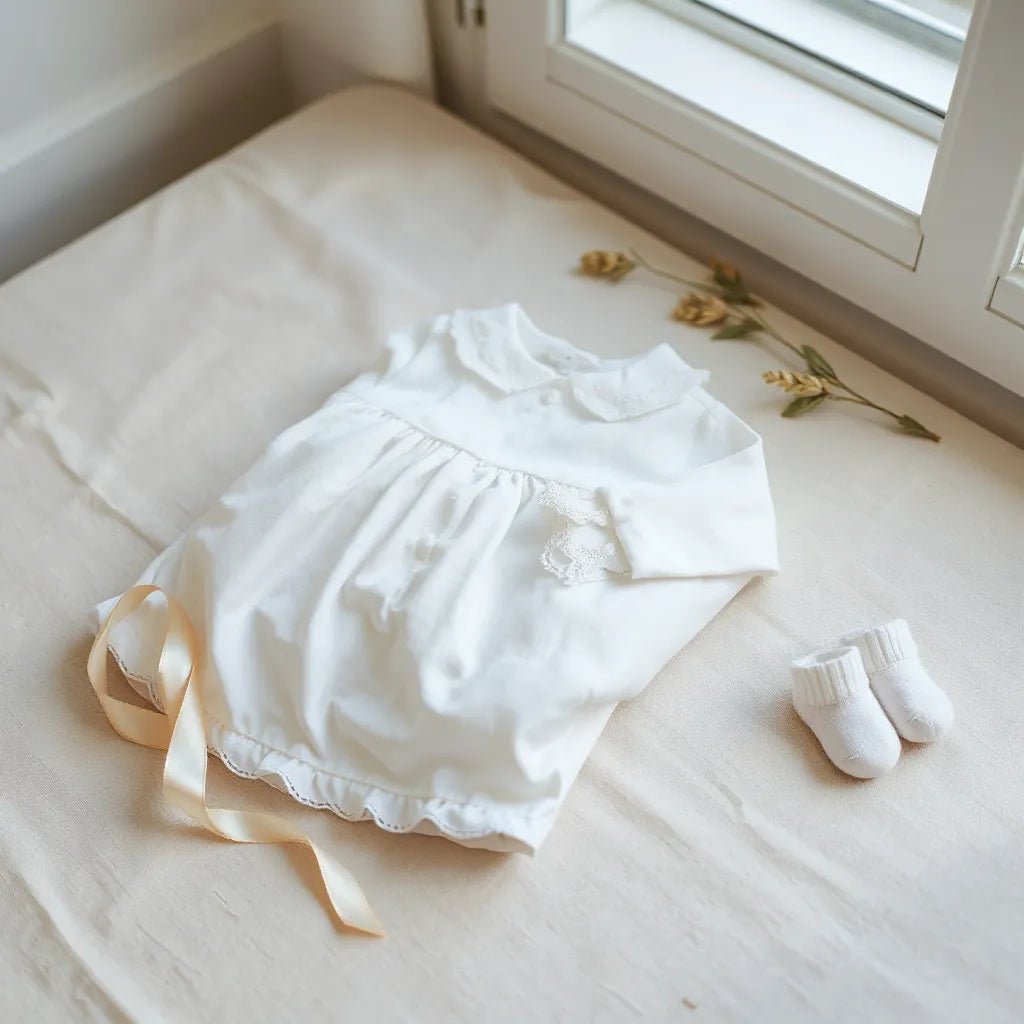
Layout of garment features: seams, closures, neckline comfort
Plan simple care and storage
Even if the outfit is only worn once, care affects how well it lasts as a keepsake. Choose a care approach you can realistically follow after the day. Gentle washing, low-heat drying, and careful folding often help preserve softness. If the garment includes delicate finishes, check the care guidance before cleaning. For storage, use breathable wrapping and avoid heavy compression that can stress fabric fibers.
As a gentle extra step, consider keeping a small note with the care instructions and the date you used the outfit. Many families find that this turns a garment into a more complete memory box.
If you would like inspiration for thoughtful dressing basics, you may also browse newborn and baby-ready clothing ideas for layering and comfort cues.
Wrap-Up
Choosing artisan-crafted baptism apparel can be a comforting way to honor a meaningful day. When you focus on comfort-forward materials, a practical fit, and quality details that protect sensitive areas, the result is usually both beautiful and wearable. While artisan options may cost more or require extra care, the payoff is often a garment that feels special now and can be kept with care later.
As you decide, take a calm inventory: day conditions, sizing support, closure comfort, and care steps you can manage. If you want, use this post as your checklist and compare a few options side-by-side using the same criteria.
For more family-friendly ideas on everyday comfort and special-occasion dressing, you can also visit the Oliprik homepage.
Q&A Section
What makes artisan-crafted baptism apparel different from basic sets?
Many artisan-made pieces focus on small construction choices. These can include smoother seams, thoughtful closures, more careful finishing, and fabric that feels soft against the skin. The goal is often comfort first, with beauty added through careful craft rather than heavy decoration.
How should I choose the right size for a baptism outfit?
Start with the baby’s measurements and match them to the provided sizing guidance. If you are between sizes, consider how the garment closes and whether it allows a comfortable range of movement. It can also help to think about layering, since some families add a light underlayer for extra softness and flexibility.
Is it realistic to wash and store a keepsake outfit after the ceremony?
Yes, many people do. The best approach is to follow the care guidance included with the garment and choose a cleaning method that keeps the fabric gentle. Afterward, store it folded with breathable protection so the fabric maintains its softness and shape over time.
What details should I check if I am concerned about comfort?
Pay attention to seam placement, the feel of the neckline, and how closures sit during movement. If there are embellishments, check that they are securely attached and not likely to press against sensitive areas. Comfort is often influenced more by construction than by appearance alone.
About the Author
Hallur Saevarsson is a merchandising and content specialist with a focus on baby comfort, thoughtful design, and reliable product guidance. With a careful, people-first approach, Hallur helps shoppers feel confident when choosing garments for memorable moments. For anyone planning an important day, Hallur’s goal is to make the decision process calmer and clearer. Thank you for reading.
Disclaimer: This article is for general shopping guidance only. Product availability, sizing, and care instructions can vary by item, so please refer to the specific product information provided by the retailer.
 Andorra
 Argentina
 Australia
 Austria
 Bahrain
 Belgium
 Brazil
 Canada
 Croatia
 Cyprus
 Denmark
 Estonia
 Faroe Islands
 Finland
 France
 Germany
 Gibraltar
 Greenland
 Hungary
 Iceland
 Ireland
 Italy
Italy
 Kuwait
 Latvia
 Liechtenstein
 Lithuania
 Luxembourg
 Malta
Malta
 Monaco
 Netherlands
 New Zealand
 Norway
 Oman
Oman
 Poland
 Portugal
 Qatar
Qatar
 San Marino
 Saudi Arabia
 Slovakia
 Slovenia
 Spain
Spain
 Sweden
 Switzerland
 United Arab Emirates
 United Kingdom
 United States
 Vatican City
