

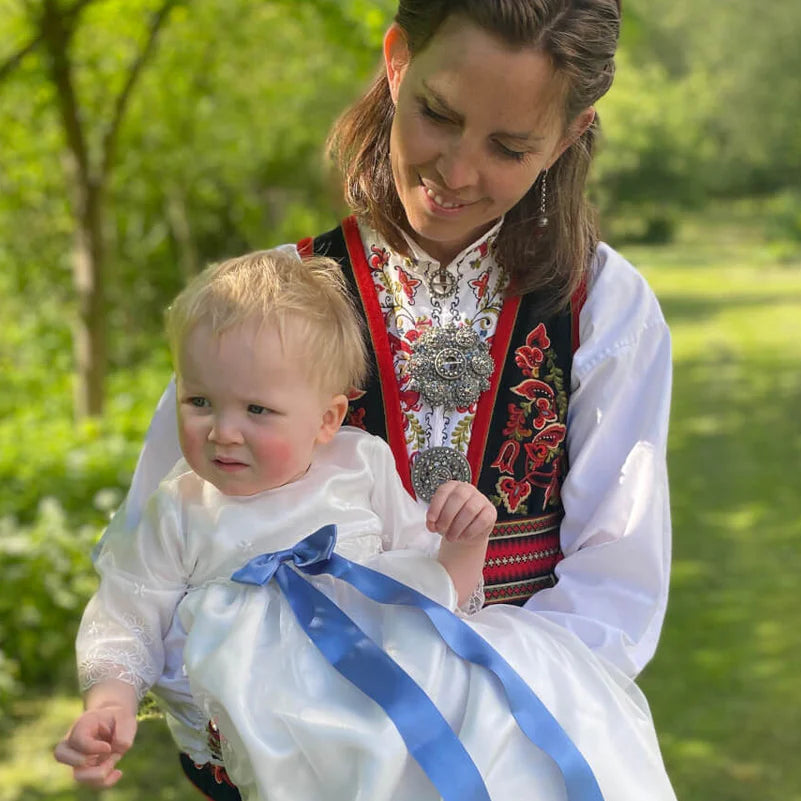



Understanding the Deep Meanings Behind Icelandic Baby Names
When one thinks of Iceland, stunning landscapes and a vibrant culture might come to mind. However, Iceland is also known for its unique and meaningful baby names, steeped in tradition and historical significance. In this blog post, we aim to illuminate some of the cultural implications and traditions behind Icelandic baby names.
Table of Contents
- Table of Contents
- The Cultural Significance of Icelandic Names
- Traits and Meanings
- Traditional Influences
- Exploring Scandinavian Connections
- Conclusion
- FAQs
The Cultural Significance of Icelandic Names
In Iceland, names are more than just labels; they embody cultural heritage and familial ties. Icelandic naming conventions often reflect Norse mythology, nature, and family legacy. An interesting aspect is the absence of surnames in the traditional sense. Instead, Icelanders typically use patronyms or matronyms, meaning a child's last name derives from the first name of their father or mother. This reflects the familial connection central to Icelandic identity.
Traits and Meanings
Many Icelandic names have deeply embedded meanings. For instance, the name "Arnar," which means "eagle" in Icelandic, conveys a sense of power and freedom. Another example is "Hrafn," meaning "raven," a bird associated with wisdom and the Norse god Odin. Such names not only mark personal identity but also connect individuals to Iceland's natural and mythological landscape.
Traditional Influences
The Icelandic Naming Committee ensures that new generations retain traditional naming practices. This committee approves or denies names based on criteria such as compatibility with Icelandic grammar, tradition, and culture. Such vigilance preserves the cultural fabric, ensuring names connect present generations to their past.
Exploring Scandinavian Connections
To understand the broader spectrum of naming traditions in this region, reading about baby names across Scandinavia can provide more context. For instance, in the article Unearth Popular Baby Names from Scandinavia and Their Meanings, the diverse inspirations across Scandinavian countries are explored.
Moreover, a comparative exploration can be found in the Comparative Analysis of Scandinavian Baby Names Across Different Capitals, which highlights how varied yet interconnected naming practices are throughout the region.
Conclusion
Icelandic names are a rich tapestry of tradition, mythology, and nature. By uncovering the stories behind these names, one gains insights into Icelandic culture and heritage. For further reading on baby names within this fascinating cultural area, visit oliprik.com.
Embarking on this captivating journey through names can deepen one's appreciation for the cultural foundations that make these names so special.
FAQs
What are some common themes found in Icelandic baby names?
Many Icelandic baby names are derived from nature, mythology, or traditional professions. Themes often include elements like mountains, rivers, and animals, as well as names inspired by Norse gods and local folklore.
How do patronymic and matronymic naming conventions work in Iceland?
In Iceland, children often receive their father's or mother's first name as their surname, followed by "son" for sons or "dóttir" for daughters. For example, if a father's name is Jón, his son might be named Erik Jónsson, while his daughter would be Erik Jónsdóttir.
Are there specific naming laws in Iceland that affect baby names?
Yes, Iceland has a unique naming system governed by the Icelandic Naming Committee, which approves names based on their compatibility with Icelandic language and culture. Names that do not follow linguistic or cultural standards may be rejected.
What role does mythology play in choosing Icelandic baby names?
Mythology is significant in Icelandic culture, and many parents choose names that reflect their heritage and connection to Norse legends. Names like Freyja, the goddess of love and fertility, and Odin, the god of wisdom, are popular choices.
Can you give examples of popular Icelandic baby names for boys and girls?
Common Icelandic boy names include Jón, Ólafur, and Snorri, while popular girl names include Sigríður, Guðrún, and Bryndís. Each name carries its own history and meaning, often tied to Icelandic folklore or history.
How do Icelandic baby names reflect family heritage?
Icelandic names often embody a sense of family lineage, as patronymic and matronymic systems highlight the connection to one’s parents. This method emphasizes the importance of ancestry in Icelandic culture.
Is there significance behind naming a child after a family member in Iceland?
Yes, naming a child after a family member is often seen as a way to honor ancestors and preserve family traditions. It can foster a sense of belonging and continuity within families and communities.
What are some unique Icelandic baby names that are less commonly known?
Unique names such as Þórdís (Thor’s goddess) and Ásgeir (God's spear) showcase the rich linguistic and cultural history of Iceland. These less traditional names can carry special meanings and are gaining popularity among new parents.
How can I choose an Icelandic baby name that resonates with modern values?
When selecting a name, consider its meaning, cultural significance, and how it aligns with your family's values. Many contemporary parents also look for names that are easy to pronounce and fit well in both local and global contexts.

 Andorra
 Argentina
 Australia
 Austria
 Bahrain
 Belgium
 Brazil
 Canada
 Croatia
 Cyprus
 Denmark
 Estonia
 Faroe Islands
 Finland
 France
 Germany
 Gibraltar
 Greenland
 Hungary
 Iceland
 Ireland
 Italy
Italy
 Kuwait
 Latvia
 Liechtenstein
 Lithuania
 Luxembourg
 Malta
Malta
 Monaco
 Netherlands
 New Zealand
 Norway
 Oman
Oman
 Poland
 Portugal
 Qatar
Qatar
 San Marino
 Saudi Arabia
 Slovakia
 Slovenia
 Spain
Spain
 Sweden
 Switzerland
 United Arab Emirates
 United Kingdom
 United States
 Vatican City
