

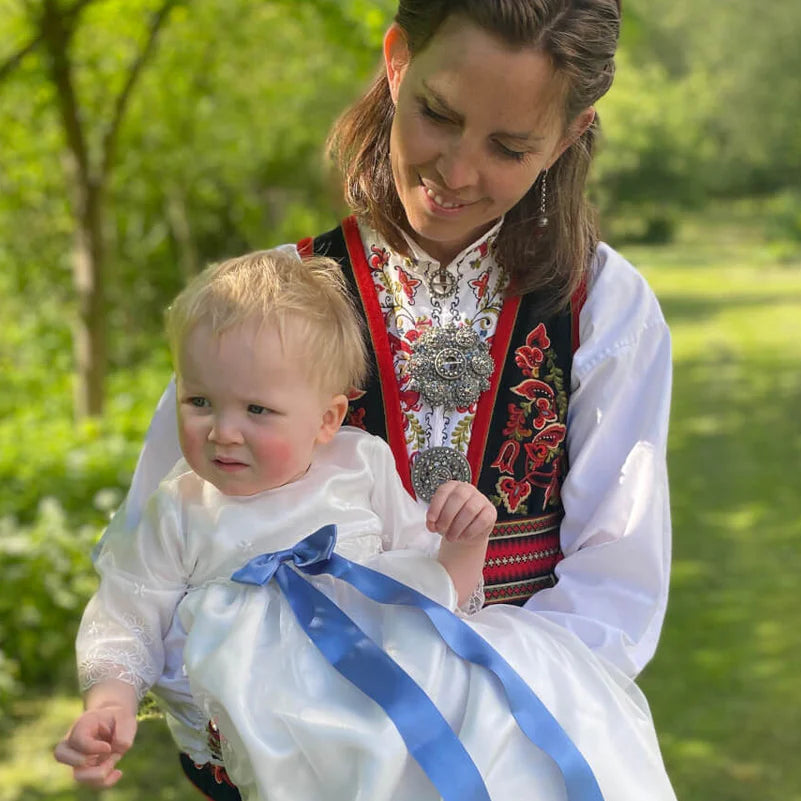


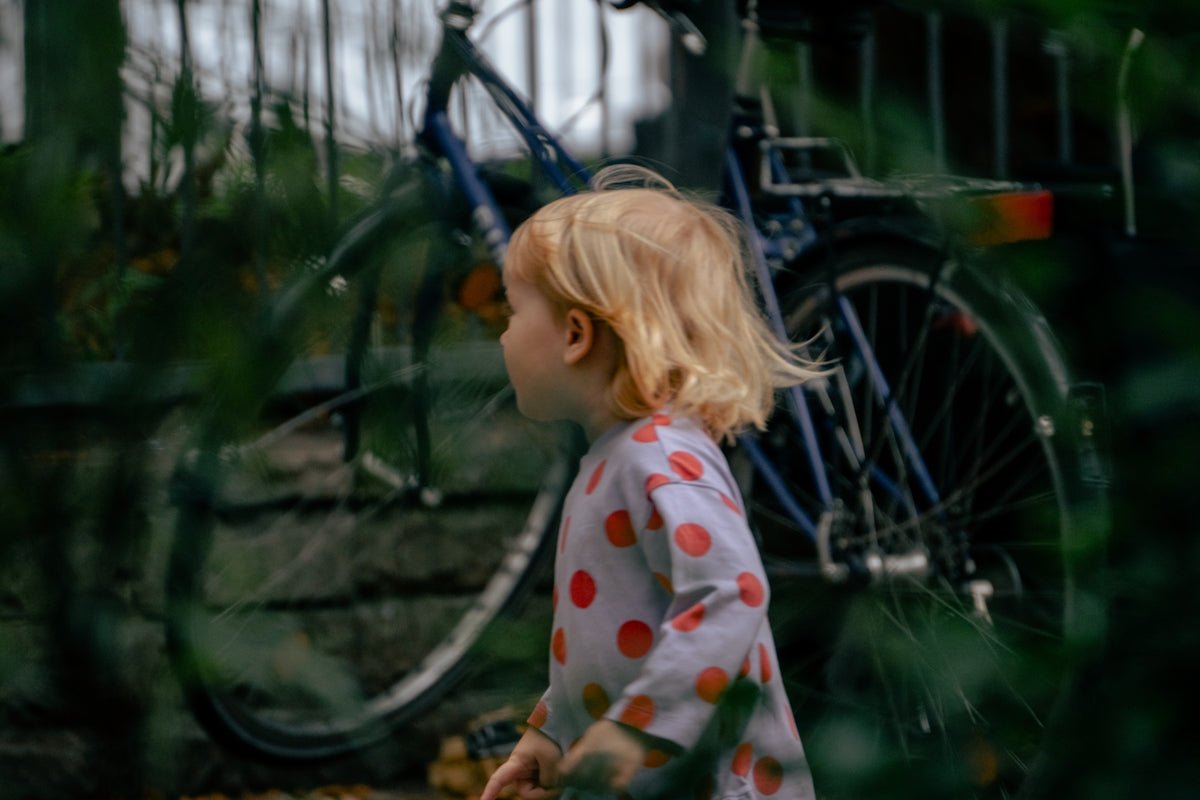
Esplorando la Storia: Filosofie Genitoriali nella Cultura Nordica
I paesi nordici sono da tempo ammirati per i loro modelli sociali progressisti, che spesso si riflettono nelle loro filosofie educative. Queste culture enfatizzano la semplicità, il legame con la natura e un profondo senso di responsabilità comunitaria nell’educazione dei figli. Questo articolo esplora la ricca storia e le moderne adattazioni delle pratiche educative nordiche che continuano a conquistare i genitori di tutto il mondo.
Indice
- Indice
- Una tradizione di genitorialità semplificata
- La filosofia Hygge
- Confronto culturale: dinamiche familiari nordiche vs americane
- Domande frequenti
Una tradizione di genitorialità semplificata
La genitorialità nordica è fortemente influenzata dal suo contesto storico. Tradizionalmente, le famiglie nordiche adottavano uno stile di vita improntato alla praticità e alla semplicità. Gli sforzi erano rivolti a coltivare l’indipendenza fin dalla tenera età. Questo si basa su una struttura sociale che valorizza l’equilibrio tra lavoro, vita familiare e un ambiente comunitario coeso. I genitori moderni ispirati a questi ideali possono trovare spunti pratici nell’articolo Abbracciare la semplicità: pratiche educative nordiche per genitori moderni.
La filosofia Hygge
Parte integrante della cultura scandinava, il concetto di "hygge" sottolinea l’importanza di creare un’atmosfera calda e di godere delle cose belle della vita in buona compagnia. Questa filosofia si riflette naturalmente nelle metodologie educative nordiche. Creare comfort sia negli spazi fisici in cui vivono le famiglie sia nelle loro interazioni sociali è un aspetto fondamentale. Per approfondire come l’arte dello hygge influenzi le case delle famiglie nordiche, visitate L’arte dello Hygge: come le case scandinave creano comfort per le famiglie.
Confronto culturale: dinamiche familiari nordiche vs americane
Mentre i paesi nordici privilegiano un’educazione supportata dalla comunità, la genitorialità americana tende spesso a valorizzare l’individualismo e l’autonomia. Esplorare queste differenze offre preziose intuizioni su come i contesti culturali plasmino le dinamiche familiari e le pratiche educative. Per un confronto dettagliato, consultate Confronto tra dinamiche familiari scandinave e americane.
Come per tutte le pratiche culturali, comprendere le filosofie educative nordiche ci avvicina a un approccio olistico alla genitorialità che valorizza l’equilibrio tra saggezza tradizionale e adattamento moderno.
Per ulteriori approfondimenti sulla cultura e la genitorialità nordica, visitate OLIPRIK.
Domande frequenti
Quali sono le principali filosofie educative nella cultura nordica?
Le filosofie educative nordiche spesso enfatizzano l’indipendenza, l’uguaglianza e un forte senso di comunità. I genitori incoraggiano i bambini a esplorare l’ambiente circostante, a fare scelte e a imparare dai propri errori, promuovendo autonomia e fiducia in sé stessi.
Come vengono viste le responsabilità educative nei paesi nordici?
Nei paesi nordici, le responsabilità educative sono generalmente condivise equamente tra i genitori. Questo approccio promuove l’uguaglianza di genere e permette a entrambi i genitori di svolgere ruoli attivi nello sviluppo dei figli.
Quale ruolo ha la natura nella genitorialità nordica?
La natura è molto valorizzata nella genitorialità nordica, con i genitori che spesso incoraggiano il gioco e l’esplorazione all’aperto. Questo legame con la natura aiuta i bambini a sviluppare resilienza, curiosità e un apprezzamento per l’ambiente.
Esistono filosofie educative specifiche legate alla genitorialità nordica?
Sì, le filosofie educative nordiche si concentrano spesso sull’apprendimento guidato dal bambino e sull’educazione basata sul gioco. Le scuole promuovono creatività, pensiero critico e apprendimento cooperativo, con l’obiettivo di sviluppare sia competenze accademiche sia abilità sociali.
Come gestiscono la disciplina i genitori nordici?
I genitori nordici tendono ad adottare un approccio dolce alla disciplina. Privilegiano la comunicazione aperta, la definizione di aspettative chiare e la guida verso la comprensione delle conseguenze delle proprie azioni, piuttosto che l’uso di misure punitive.
Qual è il significato di "hygge" nella genitorialità nordica?
"Hygge", un concetto danese spesso associato a comfort e accoglienza, gioca un ruolo nella genitorialità nordica sottolineando l’importanza di creare un ambiente domestico caldo e nutriente. Questo favorisce il benessere emotivo e rafforza i legami familiari.
Come le culture nordiche coltivano l’intelligenza emotiva nei bambini?
Le culture nordiche spesso danno priorità all’intelligenza emotiva incoraggiando i bambini a esprimere apertamente i propri sentimenti e a discutere le sfide emotive. Genitori ed educatori mostrano empatia e ascolto attivo, aiutando i bambini a sviluppare abilità sociali e resilienza.
Quale impatto hanno le politiche sociali nordiche sulla genitorialità?
Le politiche sociali nordiche supportano i genitori attraverso misure come il congedo parentale, l’assistenza all’infanzia sovvenzionata e l’accesso alle cure sanitarie. Queste politiche aiutano ad alleviare alcune delle difficoltà della genitorialità e permettono alle famiglie di trascorrere tempo di qualità insieme durante la prima infanzia.
Esistono differenze negli stili educativi tra i paesi nordici?
Pur condividendo molte caratteristiche, ogni paese nordico ha stili educativi unici influenzati da norme e valori culturali. Ad esempio, la genitorialità danese può privilegiare lo "hygge", mentre quella svedese può enfatizzare il concetto di "lagom", l’idea di equilibrio e moderazione nella vita.

 Australia
 Austria
 Belgio
 Canada
 Danimarca
 Finlandia
 Francia
 Germania
 Groenlandia
 Irlanda
 Islanda
 Isole Fær Øer
 Italia
 Norvegia
 Paesi Bassi
 Polonia
 Portogallo
 Regno Unito
 Spagna
 Stati Uniti
 Svezia
 Svizzera
