




Pratiche Essenziali di Hygge che Ogni Genitore Dovrebbe Conoscere
Nel mondo frenetico di oggi, trovare pace e comfort nella nostra vita personale è più importante che mai. Per i genitori, il concetto di hygge può essere una salvezza—una combinazione di accoglienza, soddisfazione e benessere che sostiene sia gli adulti sia i più piccoli in famiglia. Esploriamo insieme le pratiche essenziali del hygge che ogni genitore dovrebbe adottare.
Indice
- Indice
- Comprendere il Hygge
- 1. Ritagliate del Tempo di Qualità in Famiglia
- 2. Progettate uno Spazio Abitativo Accogliente
- 3. Abbracciate la Natura e gli Spazi Esterni
- 4. Praticate la Presenza Consapevole Insieme
- 5. Adottate uno Stile di Vita più Semplice
- Domande Frequenti
Comprendere il Hygge
Hygge, pronunciato "hoo-ga," è un principio di vita danese che enfatizza la semplicità, il calore e la connessione con le persone care. L’idea è creare un rifugio di comfort e felicità, specialmente nell’ambiente domestico. Per i genitori che desiderano integrare il hygge, comprendere i suoi elementi fondamentali è il primo passo.
1. Ritagliate del Tempo di Qualità in Famiglia
Il hygge riguarda il valore dei momenti trascorsi con i propri cari. I genitori scandinavi privilegiano la qualità rispetto alla quantità. Trascorrete del tempo insieme senza distrazioni—magari una serata di giochi accogliente o un brunch nel weekend. Con il hygge, si tratta di creare ricordi piuttosto che accumulare oggetti.
2. Progettate uno Spazio Abitativo Accogliente
Creare un ambiente caldo e invitante è essenziale nel hygge. Usate un’illuminazione soffusa, tessuti morbidi e colori rilassanti per trasformare la vostra casa in un santuario. Per consigli su questo, consultate Come Coltivare un Ambiente Domestico Accogliente con Tecniche di Genitorialità Nordica.
3. Abbracciate la Natura e gli Spazi Esterni
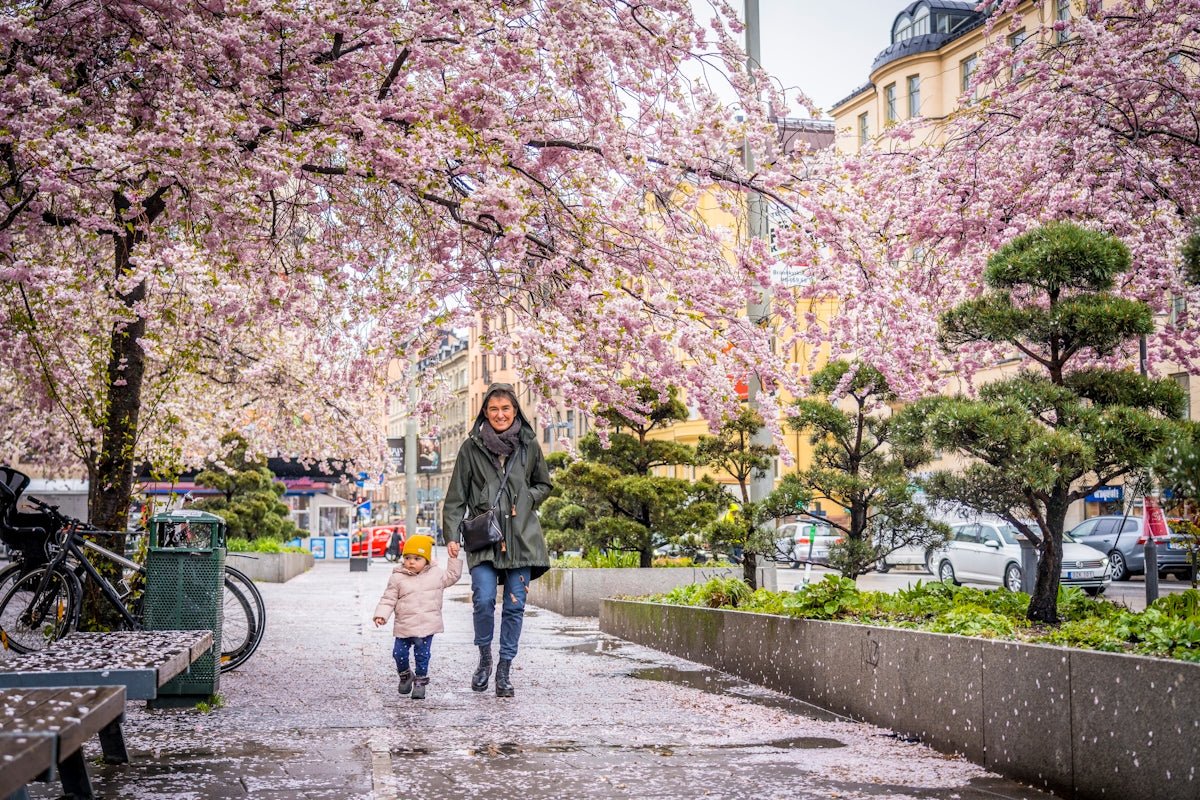
Il hygge non significa restare sempre in casa. Abbracciate la natura facendo passeggiate in famiglia, giocando all’aperto o persino gustando un pasto all’aperto. Si tratta di trovare gioia nella semplicità e nella bellezza naturale che ci circonda.
4. Praticate la Presenza Consapevole Insieme
Partecipate ad attività che favoriscono calma e presenza. Che si tratti di leggere storie, fare lavoretti o giardinaggio, scegliete pratiche che vi permettano di essere presenti senza pressioni. Potete approfondire come raggiungere questo livello di serenità leggendo Il Segreto per una Vita Senza Stress con il Hygge Scandinavo.
5. Adottate uno Stile di Vita più Semplice
I genitori scandinavi ci insegnano che spesso meno è di più. Adottando il minimalismo, potete ridurre il disordine e lo stress. Concentratevi su ciò che conta davvero e lasciate andare l’eccesso. 5 Sorprendenti Lezioni dai Genitori Scandinavi offre preziose verità su come le culture scandinave gestiscono questo equilibrio.
Integrare le pratiche del hygge nella vita familiare non significa solo creare un ambiente fisicamente caldo, ma anche coltivare un’atmosfera amorevole e gioiosa. Per ulteriori approfondimenti, visitate Oliprik e fate un passo verso una vita ricca di comfort e connessione.
Domande Frequenti
Cos’è il hygge e quali benefici può portare alle famiglie?
Il hygge è un concetto danese che enfatizza l’accoglienza e il comfort, promuovendo la vicinanza e la soddisfazione. Per le famiglie, abbracciare il hygge può creare un’atmosfera calda e invitante in cui tutti si sentono valorizzati, favorendo legami più forti e migliorando il benessere generale.
Come posso introdurre le pratiche del hygge nella mia routine quotidiana?
Potete iniziare creando un ambiente accogliente in casa con illuminazione soffusa, sedute confortevoli e tessuti invitanti. Incorporate rituali familiari come leggere insieme, gustare bevande calde o organizzare serate di giochi regolari per costruire un senso di unione e tranquillità.
Quali sono alcune semplici attività hygge per genitori e bambini?
Partecipare ad attività come cucinare insieme, fare lavoretti o organizzare serate cinema può incarnare il hygge. Passeggiate nella natura e picnic sono anche modi meravigliosi per legare godendo della bellezza degli spazi aperti in un’atmosfera rilassata.
In che modo il hygge incoraggia la consapevolezza nelle famiglie?
Il hygge invita le famiglie a rallentare e assaporare i momenti insieme. Concentrandosi sul presente, sia durante i pasti condivisi sia nelle serate tranquille, si coltiva la consapevolezza, che può migliorare la salute emotiva e rafforzare le relazioni familiari.
Le pratiche del hygge possono aiutare a ridurre lo stress per i genitori?
Assolutamente sì! Abbracciare il hygge può creare un ambiente domestico sereno che permette ai genitori di rilassarsi e riconnettersi. Semplici rituali di relax e condivisione possono alleviare significativamente lo stress quotidiano e promuovere uno stile di vita più equilibrato.
Il hygge è adatto a tutte le stagioni, e perché?
Sì, il hygge può essere vissuto in ogni stagione. In inverno, pensate a coperte calde e bevande fumanti, mentre in estate concentratevi su incontri all’aperto e picnic. Ogni stagione offre opportunità uniche per connettersi e creare esperienze calde e gioiose con la famiglia.
Come posso adattare i principi del hygge quando i miei figli hanno interessi diversi?
Iniziate trovando attività comuni che possano piacere a tutti, come giochi da tavolo in famiglia o serate cinema. Inoltre, incoraggiate le passioni individuali in un ambiente accogliente, permettendo ai bambini di condividere i propri interessi pur sentendosi parte della famiglia.
Quale ruolo ha il cibo nel hygge per le famiglie?
Il cibo è centrale nel hygge, poiché condividere i pasti favorisce la connessione. Preparate insieme piatti confortanti e create un’atmosfera accogliente a tavola. I pasti familiari regolari promuovono il legame, stimolano la conversazione e nutrono il senso di appartenenza.
Come posso coinvolgere i miei figli nella creazione di un ambiente hygge?
Incoraggiate i vostri figli a partecipare alla creazione di uno spazio accogliente scegliendo decorazioni, aiutando nella preparazione dei pasti o selezionando la musica per i momenti in famiglia. Il coinvolgimento non solo li fa sentire inclusi, ma insegna anche il valore della condivisione e del comfort.
 Australia
 Austria
 Belgio
 Canada
 Danimarca
 Finlandia
 Francia
 Germania
 Groenlandia
 Irlanda
 Islanda
 Isole Fær Øer
 Italia
 Norvegia
 Paesi Bassi
 Polonia
 Portogallo
 Regno Unito
 Spagna
 Stati Uniti
 Svezia
 Svizzera
