


Exclusive Christening Dresses: How to Choose the Perfect One
Updated on: 2026-09-21
Choosing exclusive christening dresses can feel exciting, but it may also feel a bit overwhelming. Between fabric, fit, weather, and comfort, it is easy to focus on the look and miss how the outfit will feel throughout the day. This guide walks you through practical choices that support both style and ease. You will also find simple ways to compare options and make a calm, thoughtful decision for your little one.
Exclusive christening dresses: what to look for
Style, fit, and practical comfort
A gentle way to choose a memorable outfit
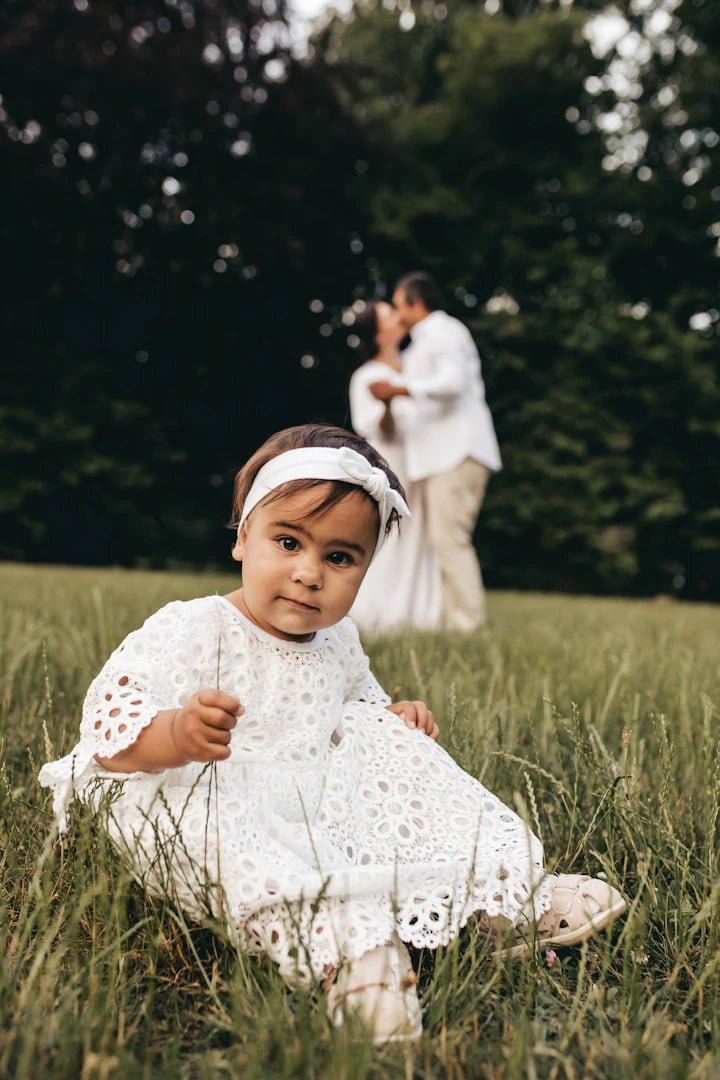
If you are looking for exclusive christening dresses, you are probably aiming for something special, refined, and meaningful. A christening outfit is often photographed, worn for a short but important moment, and remembered for years. That is why it helps to choose with both heart and practicality in mind. When you focus on comfort, fabric feel, and easy dressing, the day tends to go smoother for everyone.
In the sections below, you will find clear guidance on what matters most, plus a comparison approach that makes decision-making simpler. Even if you are unsure where to start, you can use these ideas to narrow down options with confidence.
Common challenges families face
Many parents and caregivers want an outfit that looks elegant and feels right. Still, several common challenges show up again and again. The good news is that each one has a simple strategy.
1) Choosing “special” without sacrificing comfort
It is tempting to focus on lace, layers, or detailed trims. Those details can be beautiful, yet they may also create itchy points or add bulk. A helpful approach is to look for soft lining, smooth seams, and fabrics that feel gentle against sensitive skin. If the dress includes overlays, check that the inner layer is comfortable where it touches the body.
2) Sizing uncertainty for a baby who grows quickly
Some children fit true to age, while others run smaller or larger. To reduce stress, measure when possible and review the brand’s size guide. If the outfit includes adjustable features like ties or gentle closures, that flexibility can help you reach a better fit.
3) Weather and season planning
For ceremonies in cooler months, a warmer inner layer may be needed. In warmer seasons, breathability becomes the priority. Choosing the right fabric weight and considering what the child will wear underneath often makes a noticeable difference.
4) Dressing and changing on the day
On a busy day, an outfit that is quick to put on can help you stay calm. Look for thoughtful closures and designs that do not require complicated steps. If you expect diaper changes or quick adjustments, plan for easy access and comfortable movement.
Soft fabric textures and gentle layering cues
Comparison guide: simple pros and cons
Every family has a slightly different vision. Some want a classic look with delicate detailing, while others prefer a cleaner silhouette. The table below offers a calm way to weigh common dress styles without making the process feel overly technical.
| Option style | Typical strengths | Things to consider |
|---|---|---|
| Layered or lace-focused designs | Elegant photos, ceremony-ready sparkle, classic feel | May add thickness; check for soft lining and smooth seams |
| Minimalist, clean silhouette designs | Light on the body, easy to pair with accessories | Details may be subtle; ensure the fabric quality stands out |
| Embroidery or decorative panel designs | Unique look, texture in close-up photos | Confirm that decorative areas sit away from sensitive skin |
| Longer length traditional looks | Regal presentation, strong keepsake appeal | Can gather or drag; consider ease of movement and fit |
Whichever category you lean toward, the best choice is the one that matches your comfort needs and your day plan. If you are comparing exclusive christening dresses, keep notes on how each option might feel during movement, sitting, and changing.
Exclusive christening dresses: what to look for
The phrase exclusive christening dresses often signals a more refined finish, but what matters most is the quality you can feel and see. A thoughtful selection usually includes a balance of fabric comfort, thoughtful construction, and a timeless look.
Fabric feel and lining quality
Start with how the dress will feel close to the skin. Look for a soft lining layer and avoid rough textures near the neckline or sleeves. If you are choosing lace or embroidered details, consider whether the outer texture is layered in a way that keeps comfort first.
Construction and seam placement
Good construction can make a dress feel calmer and more secure. Softly finished seams help reduce irritation. If you are unsure, imagine the dress on a typical day: it will move during holding, walking in small spaces, and sitting for photos. Comfort comes from how the dress behaves during those small moments.
Neckline and sleeve comfort
A gentle neckline can help the outfit sit nicely without rubbing. Sleeves also matter. Some families prefer short sleeves for warm settings, while others choose long sleeves for a more covered look. Either way, ensure the cuffs or sleeve edges do not feel tight or scratchy.
Closure style for easy dressing
Closures like buttons or gentle fastenings can make getting dressed smoother. For many families, the best option is one that is straightforward and secure. If the dress includes multiple closures, check that they are reachable and easy to manage while you are supporting the child.
Close-up stitching and secure closure detail concept
Style, fit, and practical comfort
Style is important, yet practical details often shape the experience more than you might expect. A dress can look beautiful and still feel difficult if the fit is off or the design makes movement harder.
Fit that supports comfort
Look for a shape that allows natural movement. When the outfit is too tight around arms or legs, it can limit comfort during holding and sitting. When the outfit is too loose, it can shift and require constant adjustments. Aim for “comfortable snug,” especially around the chest and waist area.
Length and how it will photograph
Longer hemlines can create an elegant look, but they can also catch on surfaces or bunch up in motion. If you plan to do a mix of indoor and outdoor photos, consider how the hemline might behave. Often, a well-fitted length helps the dress look graceful without becoming distracting.
Color choices beyond tradition
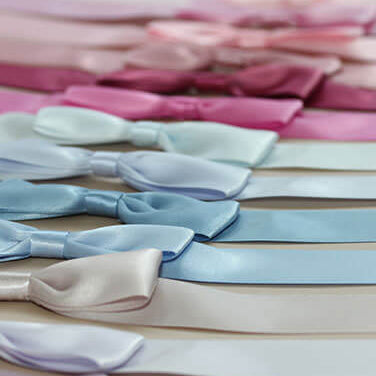
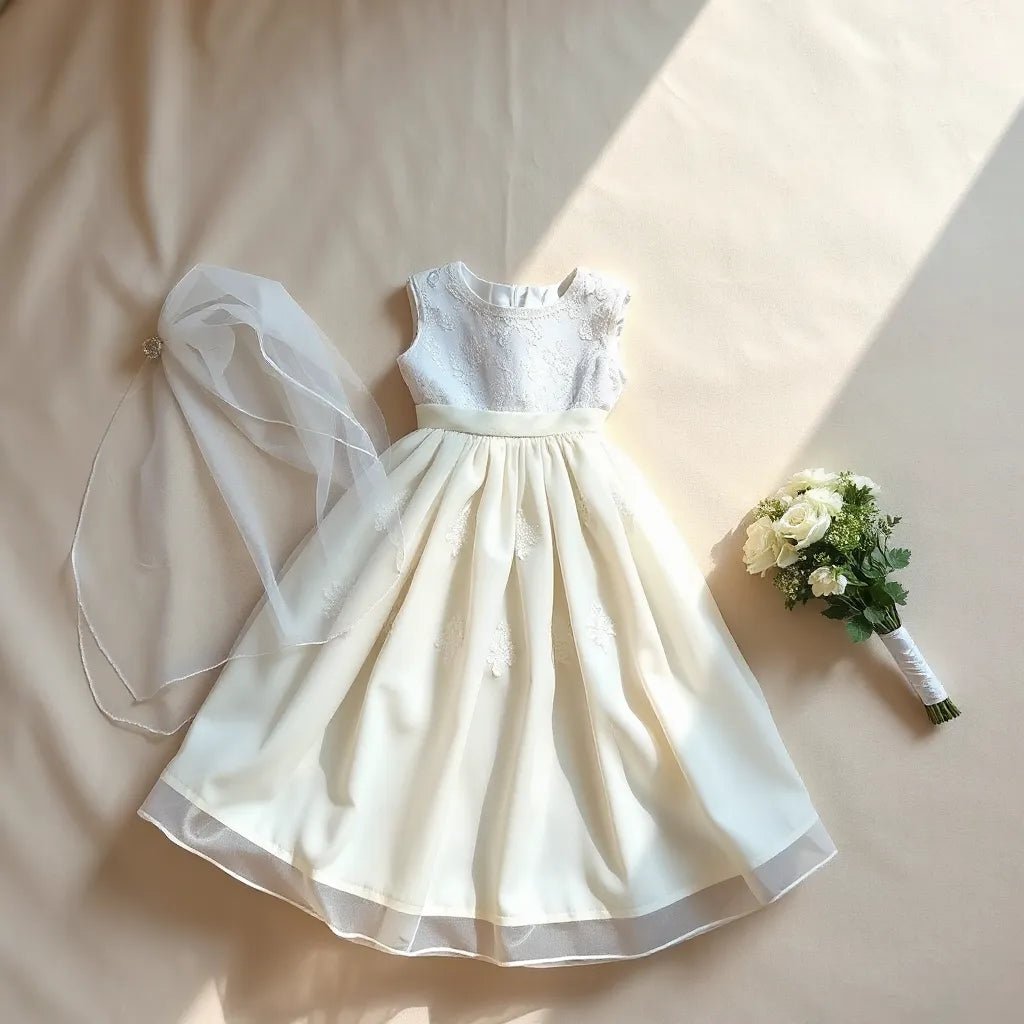
Classic white and ivory are popular, but some families prefer soft pastel tones for a gentle, modern feel. The most flattering option is often the one that complements your preferred accessories and the overall ceremony setting. If you plan to include a bonnet, veil, or other details, color harmony can make the full look feel intentional.
Pairing accessories with the outfit
Accessories can elevate a look, but the goal is to keep everything comfortable. Lightweight headwear and soft footwear options are usually easier to manage. If you are uncertain, consider choosing one or two key pieces rather than many. That approach keeps the look cohesive and reduces the chance of discomfort.
If you would like to browse inspiration and styling ideas, you may find it helpful to explore the collection guidance at Oliprik. You can also use your favorite color swatches and notes from the comparison table to narrow down what truly fits your vision.
Care and sizing tips
After the ceremony, many families hope to preserve the outfit as a keepsake. Care planning should start before purchase, so you know what maintenance the fabric will need.
Check washing and handling instructions
Different materials require different care. Some delicate fabrics need gentle washing methods, and some details may require extra attention. Reading the care notes helps you choose an option that fits your routine and keeps the dress looking lovely.
Plan for alterations early if needed
If the fit is almost right, small adjustments can make a big difference. It is best to consider any alteration needs early, since timing can affect stress levels on the day. A well-fitted outfit tends to photograph better and feels more secure.
Keep the look fresh for photos
Even with careful handling, fabrics may need light steaming or gentle smoothing. Bringing a small touch-up kit (such as a lint brush or fabric-safe steamer, depending on the fabric) can help. The main point is to be prepared in a low-stress way.
Think about longevity as a memory piece
Some exclusive christening dresses are designed to be kept. If that matters to you, choose quality construction and fabrics that maintain their look over time. Consider whether the outfit will be stored flat, folded, or hung, and follow care instructions to support long-term preservation.
Summary & recommendations
Choosing exclusive christening dresses can be a meaningful way to celebrate a new chapter while keeping the day comfortable and calm. Focus on fabric softness, smart seam placement, and closures that make dressing easier. Use a simple comparison mindset to weigh layered details against comfort, and choose length and style that match your ceremony plan.
As a practical next step, review your preferred look, confirm sizing with the size guide, and check care instructions before purchasing. If you keep comfort in mind from the start, your final choice is more likely to feel as special as it looks.
If you want to continue exploring options, you can browse inspiration at Oliprik and save your favorites for a calmer decision later.
Q&A
What makes a christening dress feel truly “exclusive”?
Typically, exclusivity comes from refined finishing, thoughtful construction, and detail work that looks elegant in close-up photos. It can also mean comfort-forward choices such as a soft inner lining, smoother seam finishing, and designs that feel secure while still looking special.
How can I choose the right size for exclusive christening dresses?
Start with the size chart and, if possible, measure your child. Pay attention to the fit around the chest, shoulders, and legs. If the dress offers gentle adjustability through closures or ties, that can help you reach a more comfortable fit for your child’s unique proportions.
Are more detailed dresses always less comfortable?
Not necessarily. Lace and embroidery can be comfortable when the inner layer is soft and the seams are placed thoughtfully. The key is to focus on where textures contact the skin and to choose options with smooth, calming finishes rather than rough or overly thick layers.
What should I consider for seasonal weather?
For cooler days, think about what the child will wear underneath and whether the fabric provides enough warmth without feeling bulky. For warmer days, prioritize breathable materials and lighter layering so the outfit stays comfortable during holding and photos.
About the author
Hallur Saevarsson is an experienced content specialist focused on thoughtful shopping guidance and clear product decision-making. With a careful eye for comfort, fit, and fabric quality, Hallur helps families feel more confident while choosing meaningful pieces. Their writing style is gentle and practical, with an emphasis on calm choices you can trust. Thank you for reading, and may your planning feel light and reassuring.
 Andorra
 Argentína
 Ausztrália
 Ausztria
 Bahrein
 Belgium
 Brazília
 Ciprus
 Dánia
Dánia
 Egyesült Államok
 Egyesült Arab Emírségek
 Egyesült Királyság
 Észtország
 Feröer szigetek
 Finnország
 Franciaország
 Gibraltár
 Grönland
 Hollandia
 Horvátország
 Írország
 Izland
 Kanada
 Katar
Katar
 Kuvait
 Lengyelország
 Lettország
 Liechtenstein
 Litvánia
 Luxemburg
 Magyarország
 Málta
Málta
 Monaco
 Németország
 Norvégia
 Olaszország
 Omán
Omán
 Portugália
 San Marino
 Spanyolország
 Svájc
Svájc
 Svédország
 Szaúd-Arábia
 Szlovákia
 Szlovénia
 Új-Zéland
 Vatikán
