




Understanding the Significance of Christening and Baptism
Overview
Christening and baptism are significant rituals that symbolize dedication and the welcoming of new life into a community. While baptism is a Christian sacrament focused on spiritual rebirth, christening is often a celebratory naming ceremony, usually for infants. Both traditions vary across cultures, with shared elements like attire, especially the Gentofte Christening Gown, which symbolizes purity and family heritage. These ceremonies not only hold deep spiritual meaning but also strengthen community bonds and values, fostering support systems for the child’s future.
Table of Contents
- The Historical Background of Baptism
- The Role of Water in Baptism
- Understanding Christening: A Celebration of Life
- The Symbolism of a Christening Gown
- Unique Variations in Rituals Across Cultures
- Western Christian Traditions
- Eastern Orthodox Traditions
- Non-Christian Traditions
- Choosing the Perfect Attire for the Occasion
- What Makes Gentofte Christening Gown Special?
- The Importance of Gathering Family and Friends
- Building Community Through Ceremonies
- More Than Just a Ceremony
- Nurturing the Future
- Keeping the Tradition Alive
- Final Thoughts: Celebrating New Beginnings
Key Takeaways
- Christening and baptism are significant rites of passage that symbolize dedication, faith, and community welcome.
- Baptism is rooted in Christianity, associated with purification and rebirth, and can be performed on infants or adults.
- Water plays a central role in baptism, representing cleansing and inner transformation through various methods such as immersion or sprinkling.
- Christening is often a more festive celebration that honors a child's life and confirms their place within the faith community, typically involving family gatherings.
- The Gentofte Christening Gown is a popular choice for ceremonies, symbolizing purity and family heritage, often passed down through generations.
- Cultural variations exist in baptism and christening rituals, with unique practices observed in different traditions around the world.
- Gathering family and friends during these ceremonies reinforces community bonds and instills values that support the child's growth throughout life.
The beautiful traditions of christening and baptism serve as significant rites of passage in many cultures, symbolizing dedication, faith, and the welcoming of a new life into a community. While the two terms are often used interchangeably, they embody different rituals and meanings that deserve exploration. In this article, we will delve into the significance of both practices and their cultural contexts, with particular focus on common elements such as attire, like the elegant Gentofte Christening Gown, that add to the joy of these special occasions.
The Historical Background of Baptism
Baptism has its roots in the Christian faith, where it is seen as an important sacrament. Historically, water has been an emblem of purification and sanctification in various cultures. In Christianity, the act of baptism is primarily based on the teachings of Jesus Christ, who himself was baptized by John the Baptist in the River Jordan. This moment solidified baptism as a key element in the faith.
Different denominations hold slightly varying beliefs about the sacrament. For many, baptism symbolizes the washing away of sins and the rebirth of the individual into the Christian faith. The ritual often occurs during infancy, although adult baptisms are also common in certain communities.
The Role of Water in Baptism
Water plays a central role in baptism. It is used to cleanse and symbolize the inner transformation of the baptized individual. Depending on the tradition, water can be administered through immersion, pouring, or sprinkling. This essential element underscores the notion of renewal and rebirth, aligning well with the beginning of a new life journey.
Understanding Christening: A Celebration of Life
Christening, often seen as a more secular ceremony in some cultures, is a rite honoring the child's life and confirming their place within the faith community. While usually associated with infants, christening can occur at any age. The term "christening" generally applies more to the Christian tradition, signifying the naming of the child and invoking blessings for their future.
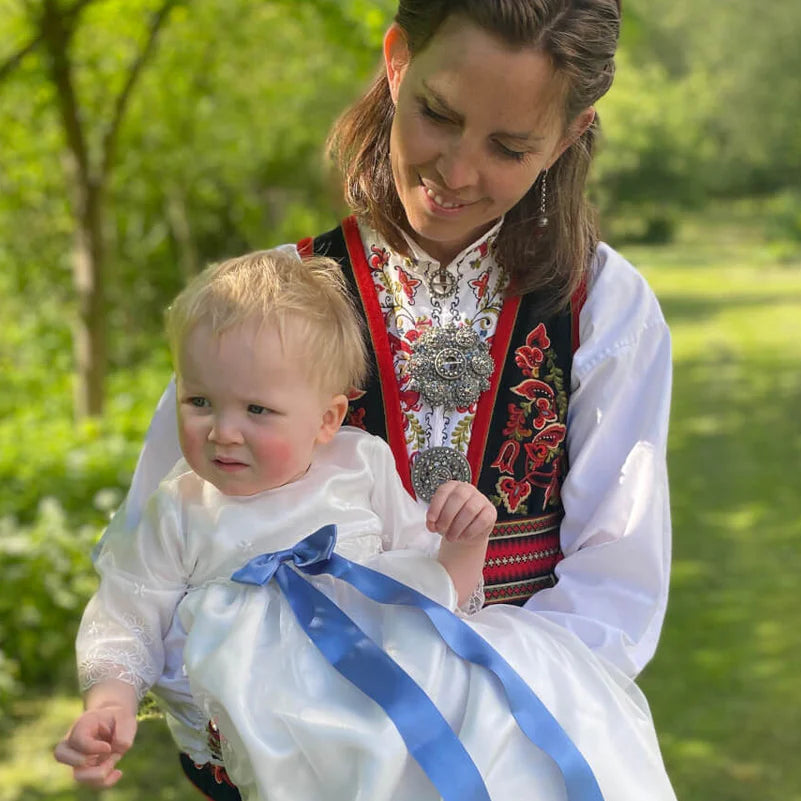
Unlike baptism, which focuses more on the spiritual aspect, christening is a more festive occasion. It often involves family gatherings, celebrations, and feasting to mark the introduction of the child to their familial and spiritual networks. One distinct aspect of christening ceremonies is the attire, with the Gentofte Christening Gown being a popular choice among many families.
The Symbolism of a Christening Gown
The Gentofte Christening Gown, steeped in tradition, carries deep cultural significance. Typically, these gowns are made from soft, high-quality fabrics, often embellished with exquisite details such as embroidery or lace. The gown is not only a symbol of purity and innocence but also acts as a tangible connection to family heritage, often passed down through generations.
Choosing the right gown for a christening is a way to honor family lineage while also celebrating the new life being dedicated. Many families customarily include names or dates within the gown’s design, making it a cherished memento to hold on to for years to come.
Unique Variations in Rituals Across Cultures
The focus on christening and baptism differs widely depending on cultural practices and beliefs. While primarily a Christian tradition, many cultures have also incorporated similar rituals into their customs, resulting in beautiful and diverse ceremonies worldwide. Below are some notable variations:
Western Christian Traditions
In many Western societies, christening takes place in a church setting, often including the entire family and community. The ceremony typically includes readings from scripture, hymns, and the administering of the sacrament by a clergyman or priest. Families often celebrate with gatherings, meals, and the sharing of the child's name.
Eastern Orthodox Traditions
In Eastern Orthodox Christianity, baptism involves a more elaborate ritual called "chrismation," where the oil is placed on the baptized individual to signify the Holy Spirit's presence. The ceremony is often performed in a sacred church space, with a strong emphasis on community involvement and prayers. The wearing of a garment like the Gentofte Christening Gown is highly encouraged.
Non-Christian Traditions
In various non-Christian cultures, similar ceremonies represent the welcoming of a child into the community. For example, Jewish tradition includes "Brit Milah," a circumcision ceremony performed on the eighth day after birth, signifying a covenant with God. In Hindu culture, a ceremony called "Namakarana" occurs, where the child is formally named and welcomed into the family.
Choosing the Perfect Attire for the Occasion
Attire is an important aspect of both baptism and christening ceremonies. The clothing worn during these significant occasions must reflect the solemnity of the ritual while also honoring family traditions. This is where the Gentofte Christening Gown comes into play.
What Makes Gentofte Christening Gown Special?
The Gentofte Christening Gown stands out for several reasons. Its design often combines elegance, simplicity, and rich meaning—all of which mirror the essence of the events it represents. Below are some aspects that contribute to the popularity of this specific gown:
- Quality Fabric: Typically made from breathable cotton or silk, gentle against an infant's skin.
- Customization: Many designs allow for personal touches such as names and embroidery.
- Heirloom Potential: Many families cherish their christening gowns, passing them from one generation to the next.
- Timeless Elegance: The classic design ensures the gown remains stylish and appropriate for years to come.
The Importance of Gathering Family and Friends
While the rituals of baptism and christening hold deep spiritual significance, they also serve as an important gathering point for family and friends. In today's fast-paced world, having an opportunity for loved ones to come together and celebrate life signifies not just a personal milestone but a collective one.
Building Community Through Ceremonies
By inviting friends and family to partake in such sacred rituals, families reinforce bonds and create lasting memories. These gatherings allow for the sharing of wisdom from elders, the affirmation of values, and the fostering of community spirit. They act as a reminder of the support systems that children will continue to rely on throughout their lives.
Additionally, these gatherings can also serve to introduce the child to their extended family and community, allowing everyone to share in the joy and importance of the occasion.
More Than Just a Ceremony
It's important to note that christening and baptism extend beyond mere formalities; they are rich with multi-dimensional significance. They encapsulate dedication, hope, and love, offering comfort to families and communities. From the first moment a baby is welcomed into the world, traditions like these instill values that are often carried throughout generations.
Nurturing the Future
Both baptism and christening serve as foundations for nurturing faith and values in young ones. They symbolize a commitment, not just by the parents but by the extended family and community, to guide the child throughout their life. The teachings imparted during these ceremonies set the stage for moral growth as the child matures into adulthood.
Keeping the Tradition Alive
As society evolves, the practices surrounding christening and baptism may also adapt; the essence of these events remains unchanged. It’s crucial to continue and celebrate these rituals whenever possible. Whether you choose a modern approach or stay firmly rooted in tradition, finding a balance allows you to honor the past while embracing the evolving nature of family life.
Final Thoughts: Celebrating New Beginnings
The significance of christening and baptism is woven deeply into the fabric of cultural and religious life. These events mark new beginnings, encapsulating the joy and hope of our shared human experience. The Gentofte Christening Gown serves as a beautiful reminder of the importance of the attire we choose, representing family legacies that extend beyond a single celebration. As we gather to honor these traditions, we are not just celebrating individuals; we are fortifying the communities that nurture and support them. Through heartfelt rituals, we continue to build lasting legacies that echo through time.
Frequently Asked Questions
1. What is the difference between christening and baptism?
2. Why is water significant in baptism?
3. What is the importance of the Gentofte Christening Gown?
4. How do different cultures celebrate christening and baptism?
5. Why are christening and baptism considered important community events?
Glossary
| Term | Meaning |
|---|---|
| Baptism | A Christian sacrament symbolizing purification and initiation into the faith. |
| Christening | A ceremony celebrating a child's life and naming within the faith community. |
| Gentofte Christening Gown | A traditional gown symbolizing purity, often passed down through generations. |
| Water | Essential element in baptism representing cleansing and rebirth. |
| Chrismation | An Eastern Orthodox rite involving anointing with oil post-baptism. |
| Brit Milah | A Jewish circumcision ceremony marking a covenant with God. |
| Namakarana | A Hindu naming ceremony welcoming a child into the family. |
| Heirloom | An item, like a gown, passed down through generations, holding family significance. |
| Community | A group of family and friends supporting and celebrating life events together. |
| Rite of Passage | A ceremony marking an important transition in a person's life. |
Linked Product

Gentofte Christening Gown
The Gentofte Christening Gown is designed for special religious ceremonies, providing a classic and elegant look for infants. Its timeless style makes it suitable for both christenings and baptisms, ensuring that your little one is dressed appropriately for these significant occasions. This gown can serve as a cherished keepsake for years to come.
View Product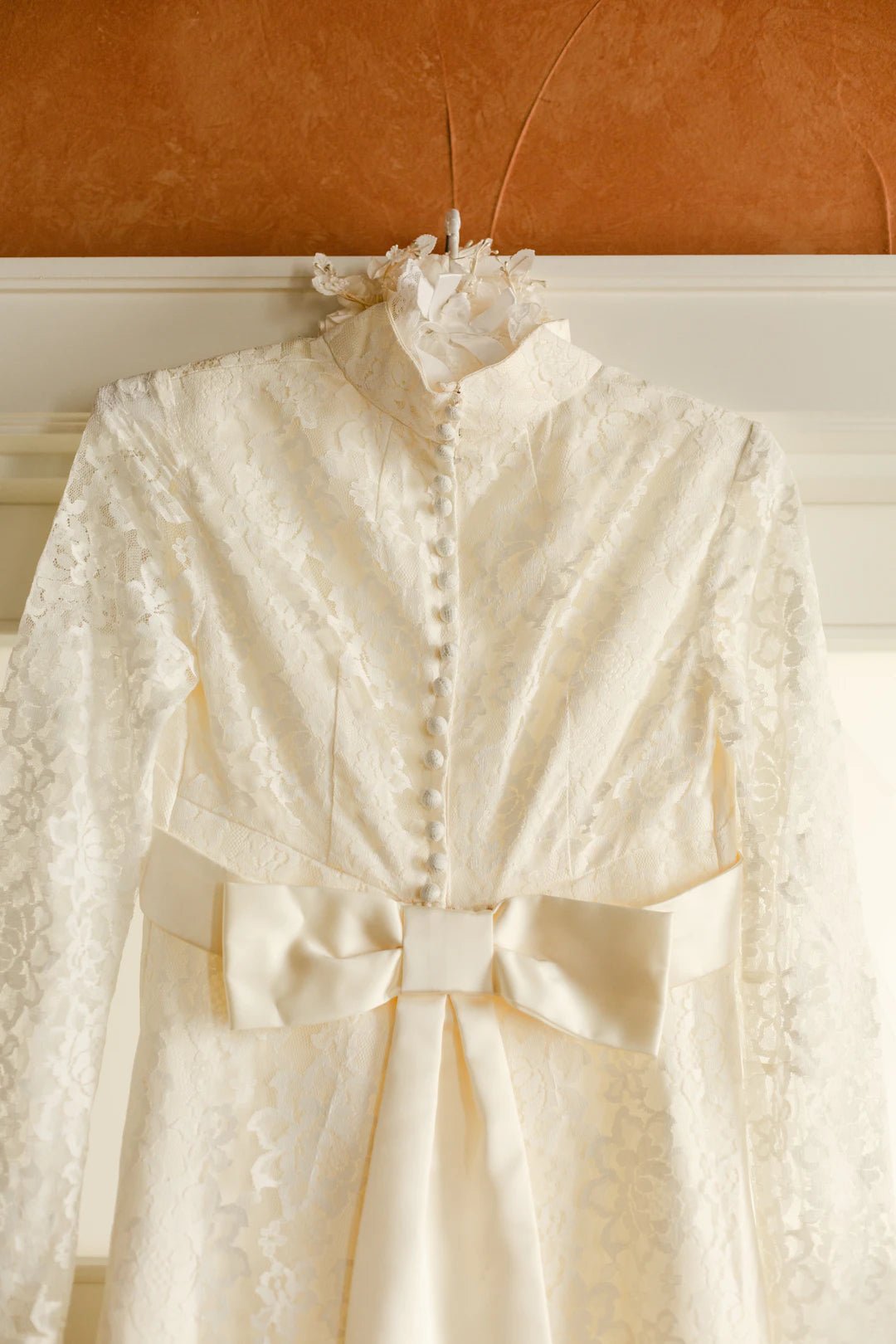

 Andorra
 Argentina
 Australia
 Austria
 Bahrain
 Belgium
 Brazil
 Canada
 Croatia
 Cyprus
 Denmark
 Estonia
 Faroe Islands
 Finland
 France
 Germany
 Gibraltar
 Greenland
 Hungary
 Iceland
 Ireland
 Italy
Italy
 Kuwait
 Latvia
 Liechtenstein
 Lithuania
 Luxembourg
 Malta
Malta
 Monaco
 Netherlands
 New Zealand
 Norway
 Oman
Oman
 Poland
 Portugal
 Qatar
Qatar
 San Marino
 Saudi Arabia
 Slovakia
 Slovenia
 Spain
Spain
 Sweden
 Switzerland
 United Arab Emirates
 United Kingdom
 United States
 Vatican City
