



Selecting Silk Christening Dress for Baby Baptism Gown
Updated on: March 21, 2026
Choosing a silk christening dress for baby is a meaningful decision that combines elegance, comfort, and cherished tradition. This guide explores how to select the perfect garment for your little one's special day, from understanding fabric quality to styling options. We share practical insights on caring for silk, styling tips, and why this timeless choice remains a favorite among parents celebrating their infant's christening ceremony.
Table of Contents
- Product Spotlight: Understanding Quality Silk Christening Attire
- Step-by-Step Guide to Selecting the Perfect Gown
- Personal Experience: Making the Choice
- Summary and Recommendations
- Questions and Answers
- About the Author
Introduction
A christening ceremony represents one of the most precious milestones in a child's early life. Parents often seek the most beautiful and meaningful attire to mark this occasion. When considering a silk christening dress for baby, you are not simply purchasing clothing—you are investing in a keepsake that may be treasured for generations, passed down to siblings or even future grandchildren.
Silk has long been associated with luxury, comfort, and sophistication. Unlike synthetic materials, genuine silk offers breathability, gentle care for delicate baby skin, and an elegant appearance that photographs beautifully. This guide will help you navigate the selection process with confidence and understanding.
Product Spotlight: Understanding Quality Silk Christening Attire
When shopping for a silk christening dress, it is essential to understand what sets quality pieces apart. Premium silk garments are typically made from mulberry silk, a natural fiber known for its smooth texture and lustrous appearance. This type of silk is softer and more durable than alternatives, making it ideal for a baby's delicate skin.
Quality silk christening dresses often feature several hallmark characteristics. The fabric drapes beautifully, creating elegant lines without requiring heavy layers. The weave is even and consistent, indicating careful manufacturing. Seams are reinforced and sewn with fine stitching, ensuring longevity. Many premium pieces include gentle elastic or adjustable closures that accommodate a growing infant without restricting movement or comfort.
The embellishments you choose matter as well. Hand-embroidered details, delicate lace overlays, and pearl buttons add character without overwhelming the dress. These elements should be securely attached and made from baby-safe materials. Look for gowns that balance ornamentation with simplicity, allowing your child to be the center of attention while the dress complements rather than dominates the occasion.
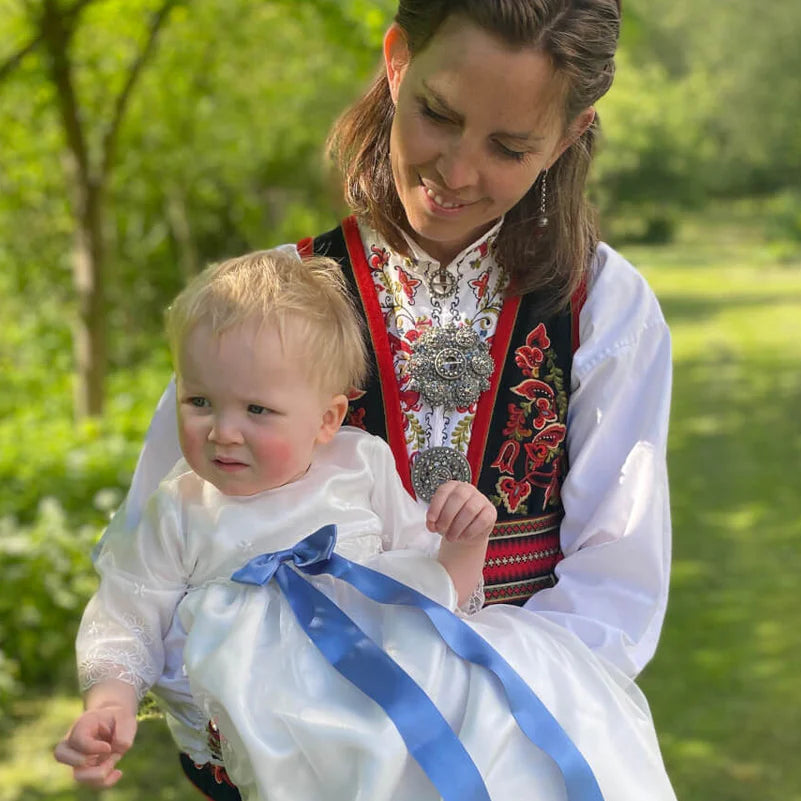
Soft natural fiber texture with delicate stitching and gentle sheen on formal fabric.
Color selection for a christening dress traditionally centers on white, ivory, or cream tones. These colors symbolize purity and innocence, honoring the spiritual significance of the ceremony. However, pale pink and soft gold have become increasingly popular alternatives while maintaining the formal, celebratory nature of the event.
Step-by-Step Guide to Selecting the Perfect Gown
Step One: Determine Size and Fit
Begin by taking accurate measurements of your baby. Measure from the shoulder to the desired dress length, typically around the ankle. Consider your baby's current size as well as anticipated growth during the christening month. Many families prefer dresses that are slightly generous, allowing the child room to move comfortably. You might also consider visiting specialty retailers who understand sizing for infants and can provide guidance based on age and weight.
Step Two: Evaluate Fabric Quality
Request detailed information about the fabric composition. Genuine silk is typically labeled as one hundred percent mulberry silk or pure silk. Ask about thread count and weight, as these factors indicate quality and durability. The dress should feel soft and smooth to the touch, never stiff or plasticky. When you hold a quality silk christening dress for baby, you should immediately sense the difference in texture compared to synthetic alternatives.
Step Three: Consider Practical Features
Think about your baby's comfort during the ceremony. Look for dresses with easy diaper access, whether through snap buttons along the back or a practical side opening. The neckline should be appropriately sized to avoid rubbing. Sleeves should allow arm movement without slipping off the shoulder. Ensure any closures are gentle and secure, avoiding sharp zippers or rough fasteners that could irritate sensitive skin.
Step Four: Review Care Instructions
Silk requires gentle handling. Ask the provider for complete care instructions before purchasing. Quality pieces often recommend professional dry cleaning or hand washing in cool water with mild soap. Understanding these requirements helps you preserve the dress for future generations. Some contemporary silk garments have been specially treated to allow gentle home washing, which can be convenient for busy families.
Step Five: Plan Complementary Accessories
Consider how you will accessorize the gown. A delicate bonnet, soft booties, or a simple headpiece can complete the look. Ensure all accessories are also gentle on baby's skin and securely fastened. Remember that less is often more with infant christening attire—simple elegance photographs best and keeps the focus on your child.
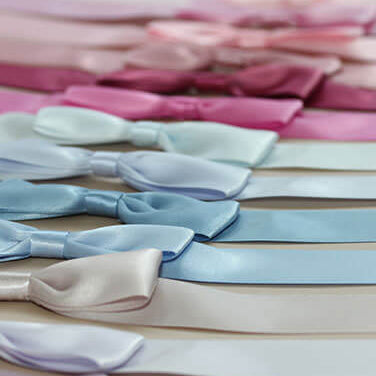
Tiny infant accessories arranged with soft, neutral tones and gentle details.
Personal Experience: Making the Choice
I remember the moment my own daughter's christening was approaching, and I faced the decision of what she should wear. Having grown up seeing christening photographs of relatives spanning decades, I felt the weight of choosing something meaningful. After researching various options, I decided to invest in a silk christening dress for baby because I wanted something that would honor the occasion while being gentle and comfortable for my infant.
What surprised me most was how the choice became less about perfection and more about authenticity. The dress I selected was not the most elaborate available, but it was elegant, well-made, and reflected our family's values. When I saw my daughter in that dress on christening day, surrounded by loved ones, I realized that the garment's true value lay not in its price or complexity, but in the memories it would hold.
The dress now rests carefully wrapped in acid-free tissue, waiting for my younger child's ceremony and perhaps even for grandchildren someday. That experience taught me that investing in quality natural fiber garments for significant occasions is genuinely worthwhile. The attention to detail in craftsmanship made a real difference in how the dress has aged and how it will endure for future generations.
Summary and Recommendations
Selecting a silk christening dress for baby involves thoughtful consideration of quality, comfort, and longevity. By prioritizing genuine mulberry silk, proper sizing, and practical design features, you ensure that the garment serves both immediate needs and future memories.
Our recommendations for parents navigating this decision include the following points. First, invest time in researching reputable providers who specialize in christening attire and understand infant needs. Second, prioritize comfort and breathability over excessive ornamentation. Third, verify that the silk is genuine and properly cared for during manufacturing. Fourth, consider the dress as a potential heirloom piece rather than a one-time wear garment. Finally, remember that the most important element of any christening is the celebration of your child, not the perfection of the clothing.
We encourage you to explore curated collections of christening attire that emphasize quality and tradition. When you choose thoughtfully, you are creating a tangible connection to your family's heritage and building memories that will last a lifetime.
Questions and Answers
What makes silk better than other fabrics for a baby's christening dress?
Silk is naturally hypoallergenic and breathable, making it gentler on delicate infant skin than synthetic materials. It drapes elegantly without requiring heavy construction, allowing babies to move freely. Additionally, genuine silk ages beautifully and can be preserved for future generations, making it an excellent choice for heirloom pieces. The lustrous appearance of quality silk also photographs exceptionally well, creating beautiful lasting memories of your child's special day.
How should I care for a silk christening dress after the ceremony?
After the christening, gently brush away any debris with a soft cloth. Store the dress in acid-free tissue paper in a cool, dark location away from direct sunlight. Avoid hanging the dress for extended periods, as this can stress the seams. For stains, consult professional dry cleaners experienced with delicate garments. Many families choose to have their christening dresses professionally cleaned and preserved shortly after the event to ensure longevity.
Is a silk christening dress appropriate for different religious traditions?
Yes, silk christening attire is welcomed across many religious traditions and ceremonies. The elegant, understated nature of quality silk garments makes them suitable for various formal occasions. Whether your family is celebrating a christening, blessing, naming ceremony, or dedication, a beautiful silk dress works well. The key is to select colors and styles that align with your specific tradition's preferences and guidelines.
Can I pass down a silk christening dress to younger siblings?
Absolutely. This is one of the primary reasons many families choose silk for these special garments. Proper care and storage allow a well-made silk christening dress to be worn by multiple children. If the dress needs adjustments, professional alterations can typically be made to the seams without compromising the integrity of the garment. Many families treasure the continuity of having siblings wear the same dress, creating connected memories across generations.
How do I ensure the silk is genuine and not a synthetic blend?
Always request documentation about fabric composition. Genuine silk products should clearly state one hundred percent mulberry silk or pure silk on labels and product descriptions. Reputable providers will be happy to provide fiber content information and may even provide samples. Be cautious of descriptions like "silk-like" or vague terminology. When you handle genuine silk, you will notice its characteristic smooth texture and subtle sheen, which differ noticeably from synthetic imitations.
What is the typical price range for a quality silk christening dress?
Quality silk christening attire typically ranges from moderate to premium pricing, depending on design complexity and customization options. While genuine silk represents a higher investment than synthetic alternatives, many families view this as justified by the durability, heirloom potential, and comfort the fabric provides. Consider the dress as a long-term investment rather than a single-use purchase, which helps contextualize the cost.
Are there modern alternatives to traditional white silk dresses?
Yes, contemporary christening attire includes ivory, cream, pale pink, and soft gold silk dresses that maintain formal elegance while offering variety. Some families choose simple silk gowns paired with statement jackets or capes. Modern designs also emphasize practical features alongside beauty. The key is ensuring any alternative you choose still honors the solemnity of the occasion while reflecting your family's aesthetic preferences.
How far in advance should I purchase a silk christening dress?
We recommend shopping at least two to three months before your planned christening. This allows time for careful selection, possible custom alterations, and delivery if ordering from specialty providers. Early shopping also enables you to choose from full inventory and ensures you are not rushed during an important decision. If planning custom embroidery or monogramming, even more advance time is beneficial.
Can a silk christening dress be altered if needed?
Yes, skilled seamstresses can make alterations to silk garments, though you should work with professionals experienced in handling delicate fabrics. Common adjustments include hem length, sleeve adjustments, and closure modifications. Avoid major structural changes that might compromise the dress's integrity. Discuss your needs with the dress provider and a qualified tailor to ensure the garment maintains its beauty and function after alterations.
About the Author
Hallur Saevarsson is a seasoned content strategist and family lifestyle expert with deep experience in helping parents navigate meaningful life celebrations. With expertise in children's formal attire and family traditions, Hallur has dedicated years to understanding how thoughtful choices enhance life's precious moments. A passionate advocate for quality and sustainability, Hallur believes in the power of timeless pieces that connect generations. When not writing, Hallur enjoys spending time with family and exploring the intersection of tradition and modern parenting.

 Andorra
 Argentina
 Australia
 Austria
 Bahrain
 Belgium
 Brazil
 Canada
 Croatia
 Cyprus
 Denmark
 Estonia
 Faroe Islands
 Finland
 France
 Germany
 Gibraltar
 Greenland
 Hungary
 Iceland
 Ireland
 Italy
Italy
 Kuwait
 Latvia
 Liechtenstein
 Lithuania
 Luxembourg
 Malta
Malta
 Monaco
 Netherlands
 New Zealand
 Norway
 Oman
Oman
 Poland
 Portugal
 Qatar
Qatar
 San Marino
 Saudi Arabia
 Slovakia
 Slovenia
 Spain
Spain
 Sweden
 Switzerland
 United Arab Emirates
 United Kingdom
 United States
 Vatican City
