

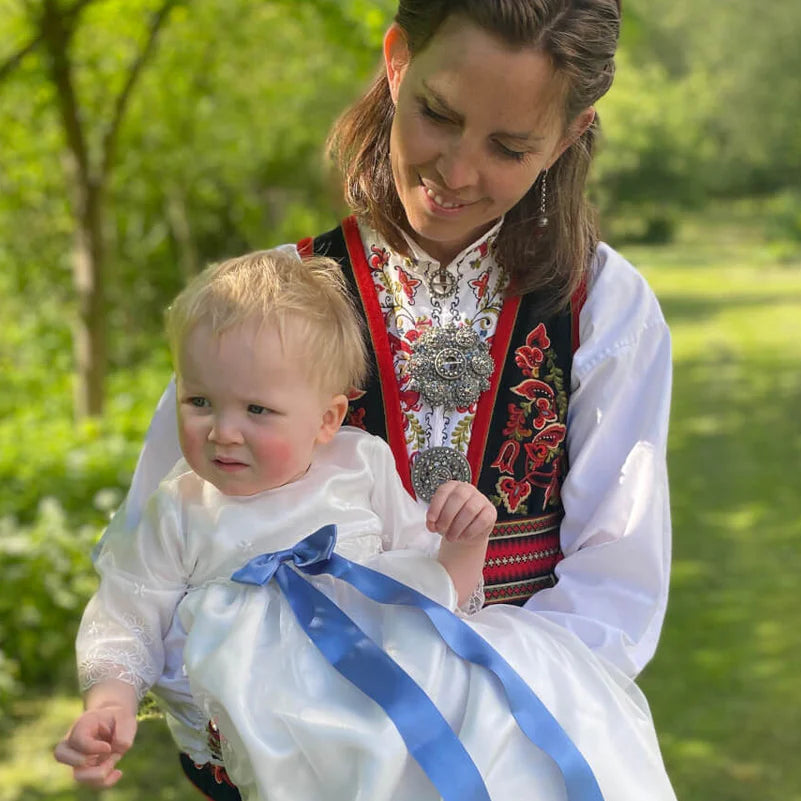

Das Verständnis des Montessori-Einflusses in der skandinavischen Kindererziehung
Die Montessori-Methode, weltweit gefeiert für ihren kindzentrierten Ansatz, findet eine bedeutende Resonanz in der skandinavischen Erziehung. Die Prinzipien von Montessori stimmen nahtlos mit dem skandinavischen Ideal überein, unabhängige, kompetente und selbstbewusste Kinder zu erziehen.
Inhaltsverzeichnis
- Inhaltsverzeichnis
- Die Montessori-Methode: Ein kurzer Überblick
- Montessori und skandinavische Kindererziehung: Eine natürliche Verbindung
- 1. Unabhängigkeit
- 2. Verbindung mit der Natur
- 3. Hygge und ruhige Umgebungen
- Fazit
- FAQs
Die Montessori-Methode: Ein kurzer Überblick
Entwickelt von Dr. Maria Montessori, betont dieser pädagogische Ansatz den Respekt vor der natürlichen psychologischen, physischen und sozialen Entwicklung eines Kindes. Wichtige Grundsätze sind selbstgesteuerte Aktivitäten, praktisches Lernen und gemeinsames Spielen. Kinder werden ermutigt, kreative Entscheidungen in ihrem Lernprozess zu treffen, während die Rolle der Lehrkraft darin besteht, diesen Prozess zu begleiten.
Montessori und skandinavische Kindererziehung: Eine natürliche Verbindung
Die Integration der Montessori-Prinzipien in die skandinavische Erziehung ist kaum überraschend. Beide Philosophien legen Wert auf eine fördernde Umgebung, die Erkundung und Lernen im eigenen Tempo des Kindes unterstützt. Diese Übereinstimmung zeigt sich in mehreren gemeinsamen Praktiken:
1. Unabhängigkeit
Sowohl Montessori als auch die skandinavische Erziehung fördern die Entwicklung von Unabhängigkeit von frühester Kindheit an. Kindern wird die Freiheit gegeben, eigene Entscheidungen zu treffen, was entscheidend für die Entwicklung von Problemlösungsfähigkeiten und Selbstständigkeit ist. Der Artikel Navigating Parenting Challenges the Nordic Way untersucht, wie dieser Aufbau von Unabhängigkeit grundlegend für den Umgang mit Erziehungsherausforderungen ist.
2. Verbindung mit der Natur
Skandinavier schätzen die Natur als einen wesentlichen Bestandteil der kindlichen Entwicklung, was mit Montessoris Betonung von realen und sinnlichen Lernerfahrungen übereinstimmt. Diese Verbindung wird im Artikel 5 Surprising Lessons from Scandinavian Parents eindrucksvoll dargestellt und zeigt, wie solche Praktiken von frühester Kindheit an Respekt für die Umwelt vermitteln.
3. Hygge und ruhige Umgebungen
Skandinavische Häuser sind synonym mit „hygge“, einem Konzept, das Gemütlichkeit und eine beruhigende Atmosphäre beschreibt. Die Montessori-Umgebung spiegelt dies wider, indem sie organisierte, einladende Räume schafft, die Konzentration und Ruhe fördern. Eltern, die mehr Hygge in ihr Familienleben integrieren möchten, können dies durch Essential Hygge Practices Every Parent Should Know erfahren.
Fazit
Die Verbindung von Montessori-Methoden mit skandinavischen Erziehungspraktiken führt zu einer einzigartig effektiven Erziehungsstrategie, die Kinder mit den Fähigkeiten und der Denkweise ausstattet, die für ein erfülltes Leben notwendig sind.
Für weitere Einblicke und Tipps zur Erziehung mit skandinavischem Einfluss besuchen Sie bitte Oliprik.
FAQs
Was ist die Montessori-Methode? Die Montessori-Methode ist ein von Dr. Maria Montessori entwickelter pädagogischer Ansatz, der selbstgesteuertes Lernen, praktische Aktivitäten und gemeinsames Spielen betont. Sie ermutigt Kinder, ihre Interessen in ihrem eigenen Tempo in einer Umgebung zu erkunden, die Unabhängigkeit und Kreativität fördert.
Wie beeinflusst Montessori die skandinavischen Erziehungsmethoden? Skandinavische Erziehungsmethoden fördern oft die Autonomie des Kindes, das Spielen und den Respekt vor den individuellen Entwicklungsbedürfnissen der Kinder, was eng mit den Montessori-Prinzipien übereinstimmt. Dieser ganzheitliche Ansatz unterstützt Kinder dabei, unabhängige, verantwortungsbewusste und selbstbewusste Persönlichkeiten zu werden.
Was sind einige Schlüsselprinzipien des Montessori-Ansatzes? Wichtige Prinzipien sind kindgeleitetes Lernen, eine vorbereitete Umgebung, altersgemischte Klassen, praktische Lernmaterialien und die Bedeutung der Beobachtung durch Pädagogen. Diese Prinzipien fördern die Liebe zum Lernen und den Respekt für die einzigartige Entwicklung jedes Kindes.
Wie integrieren Eltern in Skandinavien Montessori-Prinzipien zu Hause? Viele skandinavische Eltern wenden Montessori-Prinzipien an, indem sie kinderfreundliche Umgebungen schaffen, offene Spielzeuge bereitstellen, Kindern erlauben, Entscheidungen zu treffen, und Unabhängigkeit bei täglichen Aufgaben fördern. Sie legen Wert auf Spielen und Erkunden als wesentliche Lernkomponenten.
Gibt es Montessori-Bildung in skandinavischen Ländern? Ja, Montessori-Bildung hat in skandinavischen Ländern an Popularität gewonnen, mit zahlreichen Montessori-Schulen und -Programmen. Diese Einrichtungen bieten Kindern eine fördernde Umgebung, die der Montessori-Philosophie folgt und einen konsistenten Lernansatz gewährleistet.
Welche Rolle spielt die Natur in der skandinavischen Kindererziehung und Montessori-Praxis? Die Natur spielt sowohl in der skandinavischen Kindererziehung als auch in der Montessori-Bildung eine bedeutende Rolle. Kinder werden oft ermutigt, Zeit im Freien zu verbringen, wo sie durch ihre Interaktionen mit der natürlichen Welt entdecken, erforschen und lernen können, was ihre Gesamtentwicklung unterstützt.
Wie kann die Gemeinschaft Montessori-inspirierte Erziehung unterstützen? Gemeinschaften können Montessori-inspirierte Erziehung unterstützen, indem sie Ressourcen wie Workshops, Spielgruppen und Elternseminare anbieten, die sich auf kindgeleitetes Lernen und Unterstützung konzentrieren. Der Zugang zu Parks, Kinderbetreuungseinrichtungen und Bildungsinitiativen kann ebenfalls die Gemeinschaftsbeteiligung an der kindlichen Entwicklung fördern.
Gibt es Kritik an der Montessori-Methode? Während viele die Montessori-Methode für ihren kindzentrierten Fokus loben, argumentieren Kritiker manchmal, dass sie an Struktur mangeln kann und nicht für jedes Kind geeignet ist. Andere meinen, dass das Fehlen formaler Bewertungen den Lernfortschritt behindern kann. Es ist wichtig, dass Familien den Ansatz basierend auf den Bedürfnissen und dem Lernstil ihres Kindes bewerten.
Wie kann ich mehr über die Integration von Montessori-Prinzipien erfahren? Um mehr über die Integration von Montessori-Prinzipien zu erfahren, empfiehlt es sich, Bücher von Maria Montessori zu lesen, Online-Ressourcen und Webinare zu erkunden oder lokale Montessori-Schulen zu besuchen, um Klassenzimmer zu beobachten. Der Austausch mit Montessori-Pädagogen kann ebenfalls wertvolle Einblicke und praktische Tipps für Eltern bieten.

 Australien
 Belgien
 Dänemark
 Deutschland
 Färöer
 Finnland
 Frankreich
 Grönland
 Irland
 Island
 Italien
 Kanada
 Niederlande
 Norwegen
 Österreich
 Polen
Polen
 Portugal
 Schweden
 Schweiz
 Spanien
 Vereinigte Staaten
 Vereinigtes Königreich
