



Scandinavian Christening Clothes Nordic Style Baby Gowns
Updated on: March 25, 2026
Scandinavian christening clothes represent a beautiful blend of tradition, elegance, and timeless style for one of life's most cherished ceremonies. These garments draw inspiration from Northern European heritage and offer families a meaningful way to celebrate this important milestone. Whether you're seeking classic designs or contemporary interpretations, understanding the characteristics and options available can help you make a thoughtful choice for your little one's special day.
Table of Contents
- Benefits and Reasons to Choose Scandinavian Styles
- Key Characteristics of Nordic Christening Attire
- Styling Tips and Practical Considerations
- Frequently Asked Questions
- Final Thoughts and Recommendations
Benefits and Reasons to Choose Scandinavian Styles
Scandinavian christening clothes have gained considerable popularity among families seeking meaningful garments that combine heritage with practicality. The appeal of Northern European designs extends far beyond aesthetic preference. These pieces offer genuine advantages that make them worth considering for your child's christening ceremony.
One of the primary benefits is the emphasis on quality craftsmanship. Scandinavian designers prioritize durability and attention to detail, which means these garments often withstand the test of time. Many families pass these pieces down through generations, creating lasting family traditions. This longevity represents excellent value and encourages sustainable fashion choices that align with modern values.
The minimalist design philosophy inherent in Nordic traditions ensures that christening clothes remain timeless rather than trendy. Unlike fashion-forward pieces that may feel dated within a few seasons, Scandinavian styles maintain their elegance year after year. This quality makes them suitable for multiple children and future occasions, adding practical value to your investment.
Additionally, Scandinavian christening attire typically features natural materials and thoughtful construction. Linen, cotton, and wool are common choices, selected for their breathability, comfort, and gentle nature against delicate skin. The design process considers the child's comfort alongside aesthetic beauty, ensuring that your little one feels as lovely as they look.
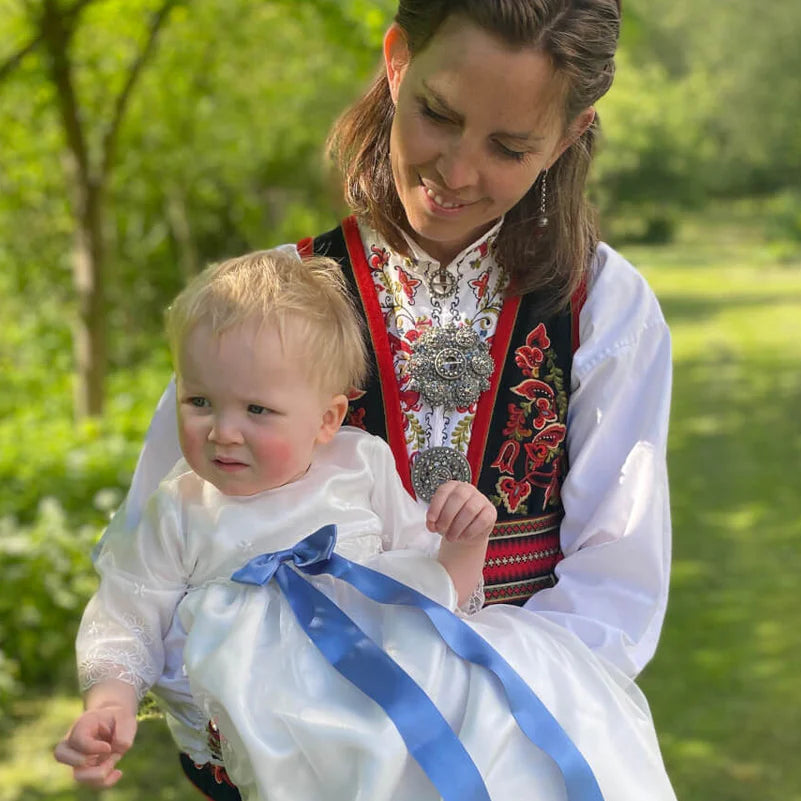
Soft natural fabrics and minimalist design elements in muted Nordic tones.
Another meaningful advantage is the cultural connection these garments provide. Choosing Scandinavian christening clothes allows families to honor Northern European heritage or simply celebrate values associated with simplicity, quality, and purposeful design. This choice becomes a statement about what matters to your family during this sacred moment.
Key Characteristics of Nordic Christening Attire
Understanding what defines Scandinavian christening clothes helps you recognize authentic pieces and appreciate their unique qualities. These garments possess distinctive features that set them apart from other styles.
The color palette of Nordic designs emphasizes neutral and soft tones. Cream, white, soft grey, pale blue, and gentle ivory dominate traditional Scandinavian christening collections. These understated colors create an atmosphere of purity and simplicity that feels appropriate for the occasion while remaining versatile for various photography styles and family preferences.
Fabric selection reflects the Nordic commitment to natural materials and sustainable practices. Linen holds particular significance in Scandinavian tradition, offering a slightly textured appearance that adds visual interest while maintaining simplicity. Cotton blends provide softness and practicality, while wool options offer warmth for ceremonies held during cooler months. Each material is chosen for both its tactile quality and its environmental responsibility.
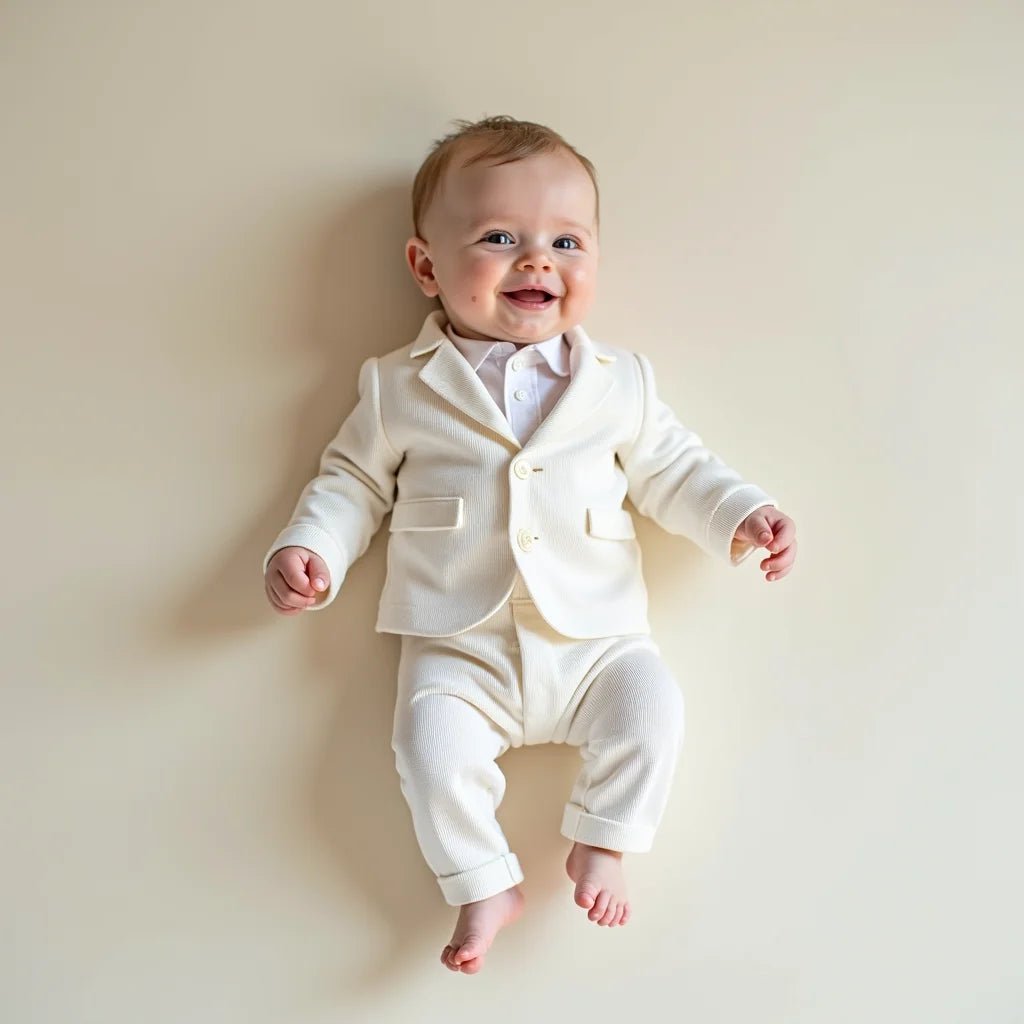
The silhouette of Nordic designs tends toward simple, elegant lines rather than ornate embellishment. Long sleeves, high necklines, and flowing skirts characterize traditional Scandinavian christening dresses. For boys, simple tunics or simple suits reflect the same philosophy. This restraint in design showcases the beauty of fabric and fit rather than relying on excessive decoration.
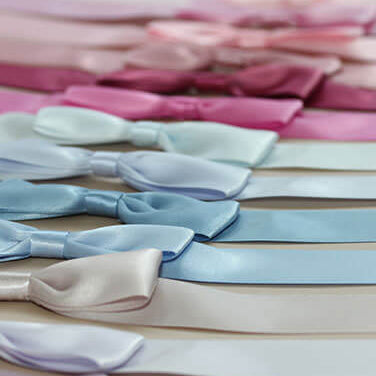
Embellishment, when present, follows minimalist principles. You might find delicate embroidery, subtle lace details, or simple ribbon accents, but these elements enhance rather than overwhelm the garment. Buttons, when used, are often made from natural materials like shell or wood. This approach respects the wearer while maintaining the sophisticated simplicity that defines the aesthetic.
Styling Tips and Practical Considerations
Choosing and styling Scandinavian christening clothes requires thoughtful consideration of several practical factors alongside aesthetic preferences.
When selecting appropriate christening attire, consider the season and location of your ceremony. Northern European designs work beautifully year-round, but fabric weight and sleeve length should match your circumstances. A light linen dress suits summer gatherings, while heavier cotton or wool blends provide comfort during winter celebrations. Indoor ceremonies allow for lighter fabrics, while outdoor settings might warrant additional layers or coverage.
Sizing requires careful attention, as these garments are meant to fit properly rather than loosely. Babies grow quickly, so consider whether you prefer a snug fit for the ceremony or slightly roomier proportions that allow for layering. Many families choose sizes that accommodate a simple undershirt or thermal layer, adding both practicality and visual interest.
Layered styling with soft textures and traditional accessories creating cohesive ceremony look.
Accessorizing Scandinavian christening clothes follows the same minimalist philosophy as the garments themselves. Simple headpieces, delicate bonnets, or soft crowns complement the aesthetic beautifully. Soft leather shoes or simple socks complete the look without adding unnecessary complexity. Consider how accessories photograph, as christening portraits often become treasured family keepsakes.
Caring for these garments ensures they remain beautiful and suitable for future use. Most Scandinavian christening clothes require gentle handling, with hand washing recommended for delicate fabrics. Following care instructions carefully preserves the garment's quality and maintains its timeless appearance for years to come.
Photography timing matters when wearing Nordic designs. The understated nature of Scandinavian styles photographs beautifully in natural light, with soft, neutral backgrounds that allow the garment's quality to shine. Consider scheduling portraits during golden hour or in well-lit indoor spaces to capture the subtle details that make these pieces special.
Frequently Asked Questions
What makes Scandinavian christening clothes different from other traditional styles?
Scandinavian christening clothes emphasize minimalist design, natural materials, and timeless elegance rather than ornate decoration. The Northern European aesthetic prioritizes quality craftsmanship, comfort, and simplicity while maintaining a sense of occasion and meaning. This approach contrasts with some traditions that favor elaborate embellishment, instead allowing the beauty of fabric, fit, and subtle details to speak for themselves.
Are Scandinavian christening garments suitable for babies with sensitive skin?
Yes, Scandinavian designs typically feature natural, breathable fabrics like organic cotton and linen that prove gentle against delicate skin. The thoughtful construction and quality materials make these garments an excellent choice for babies with sensitivities. Always verify fabric composition and consider doing a gentle wash before wearing to ensure maximum comfort for your child.
Can Scandinavian christening clothes be worn for other occasions?
Absolutely. The timeless nature of Nordic designs makes these pieces suitable for family portraits, special celebrations, or other formal occasions beyond the christening ceremony itself. Many families repurpose these garments for siblings' christenings or pass them down as cherished heirlooms. The versatile styling allows elegant garments to transition across multiple meaningful moments.
Final Thoughts and Recommendations
Scandinavian christening clothes offer families a meaningful way to celebrate an important life milestone while honoring values of quality, simplicity, and timeless beauty. These garments transcend temporary fashion trends, instead creating lasting memories and potential family traditions.
When considering Nordic designs for your child's christening, prioritize comfort alongside aesthetic appeal. Choose fabrics and sizes that allow your little one to move freely and feel at ease during the ceremony. Remember that the most beautiful photographs capture genuine joy and comfort rather than perfect styling.
Explore different designers and interpretations to find pieces that resonate with your family's values and preferences. Whether you choose traditional white linen or a contemporary interpretation in soft grey, your selection becomes part of your family's story. These garments serve as physical reminders of cherished moments and connections to heritage.
We invite you to explore our collection of thoughtfully curated pieces that celebrate both Scandinavian tradition and contemporary family values. Your christening celebration deserves garments that reflect its importance while allowing your child to feel comfortable and loved.
About the Author
Hallur Saevarsson is a passionate expert in Northern European design and family traditions. With extensive knowledge of Scandinavian fashion and a deep appreciation for cultural heritage, Hallur helps families find meaningful ways to celebrate life's important moments. Through thoughtful curation and honest guidance, Hallur believes that the best choices honor both beauty and practicality while creating lasting family memories.

 Andorra
 Argentina
 Australia
 Austria
 Bahrain
 Belgium
 Brazil
 Canada
 Croatia
 Cyprus
 Denmark
 Estonia
 Faroe Islands
 Finland
 France
 Germany
 Gibraltar
 Greenland
 Hungary
 Iceland
 Ireland
 Italy
Italy
 Kuwait
 Latvia
 Liechtenstein
 Lithuania
 Luxembourg
 Malta
Malta
 Monaco
 Netherlands
 New Zealand
 Norway
 Oman
Oman
 Poland
 Portugal
 Qatar
Qatar
 San Marino
 Saudi Arabia
 Slovakia
 Slovenia
 Spain
Spain
 Sweden
 Switzerland
 United Arab Emirates
 United Kingdom
 United States
 Vatican City
