


Handmade Baby Christening Suit A Timeless Guide for Parents
Updated on: 2026-03-24
A handmade baby christening suit offers timeless elegance and personal charm for your little one's special day. These carefully crafted garments combine traditional craftsmanship with modern comfort, ensuring your child looks cherished and beautiful. Discover why choosing a bespoke christening outfit creates lasting memories and becomes a treasured keepsake for your growing family.
Table of Contents
- Understanding the Appeal of Handmade Baby Christening Suits
- Essential Tips for Selecting the Perfect Outfit
- Detailed Step-by-Step Guide to Choosing Your Suit
- Quality Materials and Craftsmanship Details
- Care and Maintenance for Lasting Beauty
- Summary and Key Takeaways
- Frequently Asked Questions
Understanding the Appeal of Handmade Baby Christening Suits
When you welcome a new baby into your family, christening ceremonies hold profound meaning and create cherished memories. The clothing your child wears on this special occasion deserves thoughtful consideration. A handmade baby christening suit represents far more than simply an outfit—it embodies love, tradition, and individual character that factory-produced alternatives cannot replicate.
The appeal of bespoke christening wear lies in its uniqueness and personal attention to detail. Each piece is created with intention, reflecting the artisan's commitment to quality and the family's values. Unlike mass-manufactured clothing, these suits celebrate individuality while honoring time-honored traditions that have defined christening ceremonies for generations.
Parents increasingly recognize that handcrafted garments offer superior comfort for sensitive newborn skin. Artisans select premium fabrics with meticulous care, ensuring breathability and gentle contact against delicate skin. This consideration extends beyond aesthetics—it prioritizes your baby's wellbeing during extended wear throughout the ceremony and celebration.
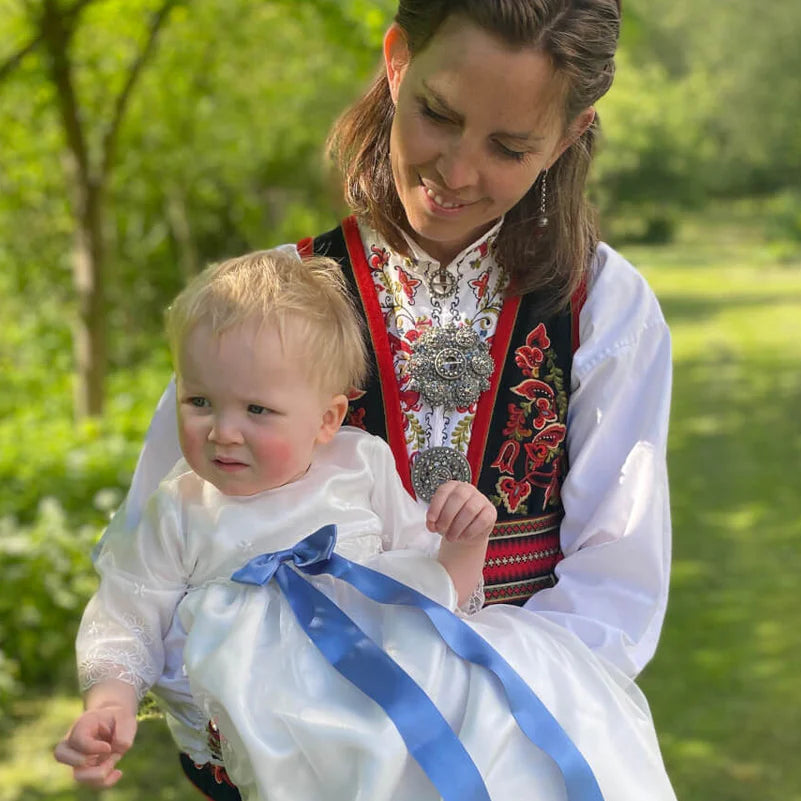
Fine embroidery details and delicate lace patterns on heirloom-quality fabric
Essential Tips for Selecting the Perfect Outfit
- Measure your baby accurately and allow room for growth during the month before the christening ceremony
- Choose natural, breathable fabrics like cotton, silk blends, or fine wool that feel soft against tender skin
- Prioritize timeless designs over trendy styles to preserve the suit's relevance for future children or family members
- Request customization options such as monogramming or embroidered initials to create personal significance
- Discuss care instructions thoroughly with the artisan before purchase to maintain the garment's condition
- Consider the season and venue temperature when selecting fabric weight and sleeve length
- Review color options that complement your family's tradition—white, ivory, and pale blue remain elegant choices
- Inquire about coordinating accessories like bonnets, shoes, or shawls that complete the ensemble
- Request detailed photographs of the piece before final delivery to ensure satisfaction
- Plan your purchase timeline generously, allowing adequate time for creation and any necessary adjustments
Detailed Step-by-Step Guide to Choosing Your Suit
Step One: Assess Your Preferences and Traditions
Begin by reflecting on your family's christening traditions and aesthetic preferences. Consider whether you envision a formal, ornate suit with intricate detailing or a simpler, elegant design that emphasizes pure craftsmanship. This foundational decision guides all subsequent choices and ensures the final piece aligns with your vision.
Step Two: Research Artisans and View Portfolios
Take time exploring the work of skilled craftspeople who specialize in christening attire. Examine their previous creations, noting design elements, fabric choices, and finishing touches that resonate with you. Professional handmade collections showcase the quality standards you should expect from your commissioned piece.
Step Three: Take Precise Baby Measurements
Accurate measurements are essential for proper fit. Measure your baby's chest, waist, length from shoulder to desired hem, and arm length. If your christening is months away, consider growth projections and discuss appropriate sizing with your artisan to ensure the suit fits comfortably on the special day.
Step Four: Discuss Fabric and Design Details
Engage in detailed conversations about fabric selection, color preferences, and design elements. Express any specific requests regarding embellishments, stitching styles, or symbolic details. Quality artisans welcome collaboration and provide expert guidance about what works best for your vision.
Skilled hands stitching delicate seams with needle and thread in traditional tailoring technique
Step Five: Establish Timeline and Budget
Clarify production timelines and pricing structure before committing. Custom handmade pieces require adequate creation time, typically several weeks to months depending on complexity. Understanding costs upfront prevents unexpected expenses and allows proper budget planning.
Step Six: Request Progress Updates
A trustworthy artisan provides periodic updates showcasing the suit's development. These progress reports offer reassurance and opportunity for minor adjustments if needed, ensuring the final product exceeds your expectations.
Quality Materials and Craftsmanship Details
The distinction between ordinary baby clothing and a handmade baby christening suit lies fundamentally in material selection and execution. Master artisans source premium fabrics from reputable suppliers, understanding that quality begins with the foundation. They examine weaves, thread counts, and fiber composition to ensure each component meets exacting standards.
Fine embroidery represents one hallmark of exceptional christening wear. Whether featuring delicate floral patterns, cross-stitch designs, or subtle monograms, embroidery adds dimensional beauty while requiring considerable skill and patience. Hand-stitched embellishments cannot be rushed—they demand careful attention and hours of dedicated work.
Seaming techniques distinguish handmade garments from mass production. Professional artisans employ French seams, flat-felled seams, and other advanced methods that create durability and refinement invisible to casual observers. These techniques ensure the suit endures through proper care and potentially through multiple siblings' christenings.
Button selection deserves mention as well. Premium christening collections feature buttons crafted from mother-of-pearl, vintage lace-covered options, or fine ceramic materials rather than plastic substitutes. Such details elevate the entire aesthetic and reinforce the investment in quality.
Care and Maintenance for Lasting Beauty
Preserving your handmade christening suit ensures it remains pristine for future generations. Most artisans provide detailed care instructions specific to your garment's fabric composition and embellishments. Following these guidelines protects your investment and maintains the suit's heirloom quality.
Gentle hand washing in cool water with mild soap proves preferable to machine washing, which can damage delicate stitching and embroidery. Pat garments dry rather than wringing or twisting fabric. Air drying away from direct sunlight prevents color fading and maintains fabric integrity.
Storage requires thoughtful consideration as well. Use acid-free tissue paper to wrap the suit, and store in a cool, dry location away from direct light. Proper storage prevents yellowing, mildew, and insect damage—important considerations if you hope to pass the suit to future children or preserve it as a cherished family heirloom.
Professional dry cleaning should be reserved for challenging stains, as repeated cleaning accelerates wear. Many families prefer spot-cleaning minor marks and reserving comprehensive cleaning for occasions years apart. This approach balances cleanliness with longevity.
Summary and Key Takeaways
Choosing a handmade baby christening suit represents a meaningful investment in quality, individuality, and family tradition. These carefully crafted garments offer superior comfort, exquisite design, and timeless appeal that mass-produced alternatives cannot match. The process of commissioning a custom suit involves thoughtful planning, clear communication with skilled artisans, and attention to details that elevate the entire christening experience.
When you select a bespoke christening outfit, you're not simply purchasing clothing—you're acquiring a keepsake that may be cherished and worn by future generations. The craftsmanship, attention to detail, and personal significance embedded in each handmade suit create lasting memories that surpass conventional alternatives. By following the guidance provided here, you'll confidently navigate the selection process and welcome your baby's special day in style and comfort.
Remember that quality handmade pieces appreciate in sentimental value over time. What begins as a christening outfit transforms into a treasured family heirloom, connecting generations through shared tradition and tangible craftsmanship. This lasting legacy makes the thoughtful investment in a handmade baby christening suit a decision your family will appreciate for years to come.
Frequently Asked Questions
How much time should I allow for commissioning a handmade christening suit?
Most skilled artisans require between six to twelve weeks for creation, depending on design complexity and their current workload. Some experienced craftspeople may complete simpler designs more quickly, while particularly ornate suits with extensive embroidery may require longer. It is prudent to contact your chosen artisan early to confirm their specific timeline and plan accordingly around your intended christening date.
Can I request specific design elements or family traditions in my custom suit?
Absolutely. One of the primary advantages of commissioning a handmade piece is the opportunity for customization. Artisans welcome requests for specific colors, embroidered monograms, particular stitch patterns, or design elements that honor your family's heritage or personal preferences. Custom design services allow you to create something truly unique that reflects your family's values and aesthetic.
What fabrics are most suitable for newborn christening wear?
Natural fibers are preferred for newborn garments because they breathe well and feel gentle on sensitive skin. High-quality cotton, fine wool, silk blends, and cotton-linen combinations are excellent choices. Avoid synthetic materials that trap heat or may irritate delicate skin. Your artisan can recommend specific fabric options based on your christening season and climate considerations.
How should I care for my christening suit to ensure it lasts for future children?
Hand wash gently in cool water with mild soap, and air dry completely away from direct sunlight. Store the garment in acid-free tissue paper within a cool, dry location. Avoid excessive cleaning—spot-treat minor marks instead of washing the entire suit frequently. Professional conservation techniques may be employed if significant staining occurs, but careful preventive care extends the suit's life considerably.
Are handmade christening suits more expensive than factory-produced alternatives?
Yes, handmade pieces typically cost more due to the skilled labor, premium materials, and individual attention involved in their creation. However, this investment reflects superior quality, durability, and heirloom potential. Many families consider the lasting value and sentimental significance worth the additional expense, especially when the suit may be worn by multiple children or preserved for generations.
Can I purchase coordinating accessories to complete the christening ensemble?
Many artisans offer coordinating pieces such as bonnets, shawls, booties, or baptismal gowns. Discuss available options with your chosen craftsperson. Some artisans specialize exclusively in suits, while others provide complete christening collections. Creating a coordinated ensemble enhances the overall aesthetic and creates a cohesive, thoughtfully assembled look for this important celebration.
What should I look for when evaluating different artisans' work?
Examine their portfolios carefully, noting seam quality, embroidery precision, fabric selection, and overall finish. Read reviews or testimonials from previous clients. Ask questions about their experience, production methods, and commitment to quality. Established handmade retailers can provide recommendations for reputable artisans. Trust your instincts—you should feel confident in your chosen craftsperson's ability to create the suit you envision.
Is monogramming or personalization included in the price?
This varies by artisan. Some include basic monogramming as standard, while others charge additional fees for personalization options. Clarify what customization services are included in the base price and what constitutes additional charges. This transparency ensures accurate budgeting and prevents unexpected costs at the project's conclusion.
What if the suit doesn't fit properly when it arrives?
Professional artisans typically allow reasonable adjustments if sizing proves incorrect due to measurement error or unexpected growth. Discuss their adjustment policies before placing your order. Providing growth allowance during initial measurement selection helps minimize fit issues. Clear communication about timeline and growth projections prevents most sizing complications.
Can I request rush production if my christening date approaches quickly?
Some artisans accommodate rush orders for an additional fee, though quality cannot be compromised. If your timeline is tight, contact potential craftspeople immediately to determine feasibility. Be prepared for premium pricing and understand that expedited timelines may limit design complexity or customization options. Beginning your search early prevents last-minute stress and ensures your suit receives proper attention.
How do I preserve the christening suit as a family heirloom?
Proper storage is essential for long-term preservation. House the suit in acid-free tissue within a cool, dark, dry location protected from light exposure, humidity, and pests. Some families invest in archival-quality storage boxes specifically designed for textile preservation. Document the suit's history and significance through photographs and written notes to enhance its heirloom value for future generations who may treasure this tangible connection to your family's traditions.
Are there religious or cultural customization options available?
Yes. Many artisans respect diverse traditions and can incorporate religious symbols, cultural patterns, or traditional design elements meaningful to your faith or heritage. Discuss these requirements openly with your chosen craftsperson, providing references or examples of elements you wish included. This collaborative approach ensures the final suit honors your family's spiritual or cultural identity while maintaining exceptional craftsmanship.
What payment options and policies do most artisans offer?
Payment terms vary by craftsperson. Some require a deposit to initiate work, with final payment due upon completion. Others may accept installment arrangements for larger commissions. Clarify payment schedules, accepted payment methods, and cancellation policies before committing. Understanding financial terms prevents misunderstandings and establishes clear expectations for both parties throughout the creation process.
Can I request modifications after seeing progress photos?
Most artisans welcome minor adjustments during the creation process if issues arise or preferences shift. However, substantial design changes late in production may incur additional costs and extend timelines. Establishing clear specifications upfront minimizes the need for modifications. When progress photos are shared, review promptly and communicate any concerns immediately rather than waiting until final delivery.
Do handmade christening suits come with any guarantees or warranties?
Reputable artisans stand behind their work and often provide guarantees against manufacturing defects or seam failures. Discuss warranty coverage, return policies, and dispute resolution procedures before placing your order. Understanding these protections provides assurance and establishes accountability. Quality craftspeople confidently guarantee their workmanship because they employ superior techniques and materials.
What makes a handmade suit superior to ready-made christening wear?
Handmade garments offer superior fit, quality materials, exceptional craftsmanship, and personalization impossible with mass production. Artisans invest countless hours perfecting each detail, using premium fabrics and advanced techniques. The result is a garment that looks refined, feels luxurious, and endures generations of careful use—qualities that justify the investment for such a meaningful occasion.
How do I know if an artisan is legitimate and reputable?
Research thoroughly before committing to any artisan. Request references from previous clients, examine detailed portfolios, read online reviews, and communicate directly about experience and methods. Legitimate craftspeople gladly provide credentials, answer detailed questions, and maintain professional business practices. Trust your instincts—if communication feels unclear or promises seem too good to be true, continue searching for a more established artisan.
Should I involve my baby in selecting the christening suit design?
Since newborns cannot communicate preferences, parents naturally make design decisions. However, some families enjoy involving older siblings or other family members in the selection process, creating shared investment in the occasion. This collaborative approach can make the christening suit experience meaningful for the entire family while ensuring the final design reflects household aesthetics and preferences.
What if I want the suit to match my own christening garment or family heirloom?
Sharing photos, fabric samples, or detailed descriptions of heirloom pieces helps artisans create complementary designs that honor family continuity. Some craftspeople specialize in recreating traditional designs or incorporating elements from ancestral garments. This meaningful connection bridges generations and creates profound significance beyond the individual christening celebration.
Are there eco-friendly or sustainable options for handmade christening suits?
Many contemporary artisans prioritize sustainable practices, using organic cotton, ethically sourced fabrics, and environmentally responsible production methods. If sustainability matters to your family, discuss these preferences when evaluating craftspeople. Handmade production inherently reduces waste compared to mass manufacturing, and choosing artisans committed to environmental responsibility amplifies this positive impact.
Can I commission matching outfits for siblings if multiple children are christened?
Certainly. Many artisans accommodate requests for coordinated or matching pieces for siblings. This creates visual harmony in family photographs and celebrates each child's christening while maintaining aesthetic cohesion. Discuss volume pricing or package arrangements if commissioning multiple suits, as some craftspeople offer discounts for larger orders.
What documentation should I request when ordering my handmade suit?
Request a detailed invoice specifying design elements, fabric composition, estimated completion date, and pricing breakdown. Ask for signed agreements confirming customization requests and payment terms. Maintain records of all communication and progress photos. This documentation protects both parties and provides clear reference if questions or disputes arise during the creation process.
How far in advance should I order to ensure timely delivery before the christening?
Contact artisans at least three months before your intended christening date, allowing adequate time for creation and any necessary adjustments. Earlier planning is preferable—six months provides comfortable flexibility and reduces stress. This timeline accommodates unexpected delays, growth changes, or requests for modifications without compromising the artisan's work quality or your ability to receive the suit in time.
Is it appropriate to gift a handmade christening suit to a friend or family member?
Absolutely. A custom christening suit represents a generous, meaningful gift that celebrates a significant milestone. Consider coordinating with the parents regarding preferences, sizing, and timelines. Alternatively, presenting a gift certificate for a custom suit allows parents to commission their desired design. This thoughtful gift demonstrates genuine care and creates a lasting connection to the special occasion.
What should I know about fabric care beyond basic cleaning instructions?
Different fabrics require specific handling. Delicate silk needs particular care, wool benefits from gentle brushing to remove dust, and cotton responds well to regular airing. Embroidered sections require extra gentleness to avoid thread snagging. Ask your artisan for comprehensive care education specific to your suit's composition. Proper understanding prevents accidental damage and extends the garment's lifespan considerably.
Can modifications be made to the suit after purchase if my child outgrows it slightly?
Many artisans offer limited alteration services, though modifying handmade pieces requires careful skill to maintain quality standards. Discuss this possibility when ordering, particularly if significant growth is anticipated. Some craftspeople provide guidance for professional tailors capable of respectfully altering custom work. Planning adequate sizing allowance during initial measurement selection often prevents the need for post-purchase modifications.
How do I ensure the christening suit remains relevant and beautiful for future use?
Selecting timeless designs over trendy styles ensures lasting aesthetic appeal. Classic white or ivory suits with subtle embroidery remain beautiful across generations, while avoiding highly specific color trends or character designs. Discussing design longevity with your artisan helps make choices that transcend individual seasons and remain elegant regardless of when the suit is worn next.
What makes commissioning a handmade suit more meaningful than purchasing ready-made alternatives?
The personal connection created through customization, collaboration with skilled artisans, and investment of time and resources transforms a purchase into a meaningful experience. Your involvement in designing details creates emotional significance that extends beyond the garment itself. The resulting suit becomes a tangible representation of love, care, and attention lavished on your child's special day—qualities impossible to mass produce.
Are there payment plans or financing options available for substantial custom commissions?
Some artisans offer flexible payment arrangements to accommodate larger investments. Discuss financing possibilities when placing your order. Be cautious about arrangements that seem unclear or lack written documentation. Clear written agreements protecting both parties establish professional boundaries and prevent misunderstandings regarding payment obligations and timelines.
What if I'm uncertain about design preferences and need guidance from the artisan?
Skilled craftspeople welcome clients seeking design consultation and guidance. Share your general aesthetic, any specific requirements, and ask for expert recommendations. Professional artisans understand market trends, heirloom design principles, and what works best for different body types and occasions. Trusting their expertise often yields better results than attempting to specify every design element independently.
Can I request video documentation of the suit's creation process?
Some artisans offer this service, though policies vary. Ask whether progress documentation through photographs, videos, or virtual meetings is available. This transparency provides assurance and creates a memorable record of the creative journey. However, respect if artisans prefer to focus entirely on production rather than documentation, as excessive interruption may impact quality or timeline.
How do I respectfully handle situations where the finished suit doesn't meet my expectations?
Address concerns promptly and professionally with your artisan. Provide specific feedback about what differs from expectations and discuss potential resolutions. Most reputable craftspeople take pride in their work and attempt rectification for legitimate quality issues. Maintaining respectful communication preserves the relationship while clearly establishing standards. Document concerns through photographs if necessary.
What heirloom qualities should I consider when commissioning a christening suit?
Think about durability through quality materials and construction that withstands multiple wearings. Choose timeless designs that transcend trends. Ensure clear personalization through monograms or discrete family details that enhance rather than date the piece. Proper documentation through photographs and written records about the suit's creation and significance enriches its heirloom value for future family members.
Is it better to commission from local artisans or consider options beyond my geographic area?
Both approaches offer advantages. Local artisans enable in-person consultations and easier communication, while broader geographic searches expand your options and stylistic variety. Consider factors including shipping logistics, communication preferences, and whether you desire face-to-face meetings. Quality artisans exist everywhere—prioritize finding a craftsperson whose work resonates with your vision regardless of location.
What should I document for future reference and family history purposes?
Photograph the finished suit from multiple angles, maintain the artisan's contact information, preserve packaging and any certificates of authenticity, and document the christening details including date, location, and attendees. Write brief notes about why you commissioned the suit and what makes it special to your family. This documentation transforms the garment from a beautiful object into a meaningful family heirloom connected to your story.
Can special requests regarding cultural or religious significance be incorporated into the design?
Most artisans respectfully honor cultural and religious elements when creating custom pieces. Discuss significance openly and provide reference materials or detailed descriptions. Whether incorporating specific religious symbols, cultural embroidery patterns, or traditional design elements, clear communication ensures the artisan understands your family's values and can incorporate them authentically and respectfully.
How do I compare pricing among different artisans fairly?
Recognize that pricing reflects experience level, material quality, complexity, and overhead costs. Rather than simply comparing final prices, evaluate what each artisan includes in their offering. Does the price encompass multiple fittings, adjustments, detailed consultations, or premium materials? Understanding value relative to price helps you make informed decisions rather than defaulting to the lowest cost option.
What recourse exists if the artisan cannot complete the suit by the promised date?
Discuss contingency plans during initial consultations. Reputable artisans provide realistic timelines and communicate proactively if delays occur. Establish clear written agreements specifying deadlines and discussing what happens if circumstances prevent timely completion. Professional artisans maintain accountability and offer solutions rather than simply disappearing or providing vague explanations for delays.
Should I seek insurance or special protection for the finished christening suit?
If the suit represents a substantial financial investment or holds significant emotional value, discuss insurance options with your homeowner's or renter's insurance provider. Some policies cover valuable handmade items with proper documentation. Alternatively, maintaining detailed photographs and appraisals creates records valuable for insurance purposes or future reference if damage unfortunately occurs.
Can the artisan provide care recommendations specific to my suit's particular materials and construction methods?
Absolutely. Request detailed written care instructions tailored to your specific suit's composition and construction. Comprehensive guidance helps you maintain the garment properly and extends its lifespan considerably. Professional artisans recognize that their responsibility extends beyond creation to include helping clients preserve their work appropriately.
What sets exceptional artisans apart from merely competent craftspeople?
Exceptional artisans demonstrate superior technical skill, exceptional attention to detail, thoughtful customer communication, reasonable timelines, and genuine investment in creating something meaningful rather than merely transactional. They welcome questions, provide proactive updates, stand behind their work, and view client relationships as partnerships rather than simple vendor-customer transactions. These qualities transform a purchase into a memorable experience.
Is it possible to commission a suit that adapts as the child grows?
Some innovative artisans design expandable waistbands, adjustable closures, or convertible features that allow limited growth accommodation. However, christening suits are typically one-time-wear pieces, so extensive adaptability isn't usually necessary. Discuss growth expectations during initial measurement to ensure proper sizing that accommodates anticipated development between commission and christening dates.
What ethical considerations should guide my choice of artisan?
Support artisans who treat workers fairly, use ethically sourced materials, and maintain sustainable business practices. Ask about their supply chain, labor practices, and environmental commitments. Choosing ethical craftspeople ensures your investment supports responsible businesses and aligns your family's values with purchasing decisions. This conscious choice transforms your commission into meaningful social contribution.
How do I gracefully decline an artisan's services if I change my mind after initial consultation?
Communicate promptly and professionally if you decide not to proceed. Most reputable artisans understand that sometimes circumstances change. Be honest about your reasons without being unkind. If a deposit was required, clarify refund policies established during initial consultation. Maintaining cordial relationships preserves the artisan's reputation and leaves doors open for potential future collaboration.
What learning opportunities does commissioning a handmade suit offer your child and family?
This

 Andorra
 Argentina
 Australia
 Austria
 Bahrain
 Belgium
 Brazil
 Canada
 Croatia
 Cyprus
 Denmark
 Estonia
 Faroe Islands
 Finland
 France
 Germany
 Gibraltar
 Greenland
 Hungary
 Iceland
 Ireland
 Italy
Italy
 Kuwait
 Latvia
 Liechtenstein
 Lithuania
 Luxembourg
 Malta
Malta
 Monaco
 Netherlands
 New Zealand
 Norway
 Oman
Oman
 Poland
 Portugal
 Qatar
Qatar
 San Marino
 Saudi Arabia
 Slovakia
 Slovenia
 Spain
Spain
 Sweden
 Switzerland
 United Arab Emirates
 United Kingdom
 United States
 Vatican City
