

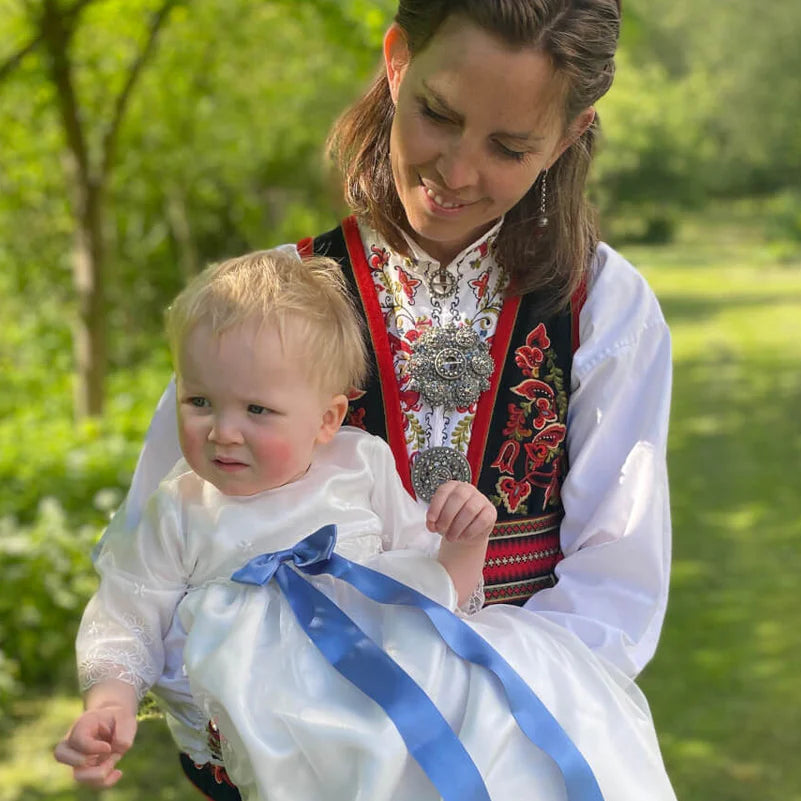



The Art of Hygge: How Scandinavian Homes Create Comfort for Families
In the heart of Scandinavia, a unique lifestyle concept known as 'hygge' has taken center stage when it comes to creating warm, comfortable, and inviting homes. Hygge, while hard to pronounce and even harder to translate, is all about creating a cozy environment that nurtures family bonds. Let's explore how Scandinavian homes achieve this atmosphere of tranquility and how you can bring some of that comfort into your own family life.
Table of Contents
- Table of Contents
- The Essence of Hygge
- How to Incorporate Hygge Into Your Home
- Hygge and Family Dynamics
- The Role of Parenting in Creating Hygge
- FAQs
The Essence of Hygge
Originating from Danish culture, hygge is about enjoying life's simple pleasures. It's often characterized by a warm, inviting atmosphere and the enjoyment of good things with good people. Scandinavian families embrace hygge by creating spaces that foster togetherness, comfort, and emotional well-being. The focus is not just on how things look, but on how they make you feel.
How to Incorporate Hygge Into Your Home
- Warm Lighting: Scandinavian homes are adorned with soft lighting, usually from candles or understated lamps. This creates a tranquil and soothing environment perfect for family interactions.
- Natural Materials: Wood, wool, and leather are staples in Scandinavian design, reflecting a close connection to nature. These materials add warmth and texture to any space.
- Minimalist Decor: To truly embrace hygge, it’s important to create a space free of clutter. This allows for a clear mind, and more space for family activities.
- Comfortable Spaces: Whether it's a reading nook or a large family sofa, ensure your home has areas dedicated to relaxation and family bonding.
- Connection to Nature: Scandinavian homes usually boast large windows and house plants, capturing natural light and bringing a piece of the outdoors in.
Hygge and Family Dynamics
The hygge lifestyle deeply influences family interactions and dynamics. Unlike the often hectic and fast-paced lifestyle seen elsewhere, Scandinavian families prioritize spending time together. This emphasis on togetherness is key to understanding how Scandinavian family dynamics differ from those in other cultures. For further insight into this comparison, you can explore our article on Comparing Scandinavian and American Family Dynamics.
The Role of Parenting in Creating Hygge
Scandinavian parenting techniques go hand-in-hand with the hygge lifestyle. By fostering open communication and valuing emotional resilience, parents help children feel secure and valued. If you’re curious about these methods, consider reading our article on Fostering Emotional Resilience in Children with Scandinavian Methods. This approach not only creates a nurturing atmosphere for children but also promotes a tighter family bond.
For those seeking to delve deeper into the unique parenting styles of the Nordic countries, our article FAQs About Nordic Parenting Explained provides additional valuable insights.
Incorporating hygge into your home and family life can transform your environment into a serene sanctuary where lasting memories and strong family connections are formed. For more information on creating an inviting and comfortable home environment, visit our site at Oliprik.
FAQs
What is hygge and how does it relate to Scandinavian homes?
Hygge is a Danish concept that emphasizes comfort, coziness, and well-being. In Scandinavian homes, hygge is reflected through the use of warm lighting, soft textiles, and inviting spaces that encourage relaxation and togetherness.
How can I incorporate hygge into my home décor?
To create a hygge-inspired space, consider using natural materials, adding plenty of cushions and throws, opting for warm lighting such as candles or fairy lights, and arranging furniture to foster conversation and connection.
What are some essential elements of a hygge living room?
A hygge living room typically features comfortable seating, soft fabrics, a warm color palette, and personal touches like family photos or favorite books. It's a space designed for relaxation, sharing stories, and enjoying time together.
How does lighting play a role in achieving hygge?
Lighting is crucial in creating a hygge atmosphere. Soft, ambient lighting, such as candles or table lamps, can enhance the coziness of a space, making it feel warm and inviting. Avoid harsh overhead lights for a more comfortable ambiance.
Can hygge be achieved in small spaces?
Absolutely! Hygge can be embraced in any size space. Focus on creating cozy nooks with comfortable seating, layered textures, and personal decorations. Even a small corner with a chair and a soft blanket can create a hygge vibe.
What colors are best for a hygge-inspired home?
Neutral and earthy tones work best for a hygge-inspired home, as they create a calm and peaceful environment. Soft whites, muted grays, warm tans, and gentle blues can help evoke feelings of comfort and tranquility.
Is hygge only for winter or can it work year-round?
Hygge can be enjoyed year-round, although it's often associated with winter coziness. In warmer months, you can still embrace hygge by creating cool, relaxing outdoor spaces, cozy gathering areas, or even simply slowing down to enjoy nature.
How can I make hygge a part of my family's routine?
Incorporate hygge into your family's routine by prioritizing time together, whether it's through shared meals, game nights, or simple moments of rest. Creating traditions around these activities can help cultivate a more hygge lifestyle.
Are there specific activities that embody hygge?
Yes! Activities such as reading by the fire, enjoying hot drinks, baking together, going for nature walks, or simply having heartfelt conversations can all embody the spirit of hygge and strengthen family connections.

 Australia
 Austria
 Belgium
 Canada
 Denmark
 Faroe Islands
 Finland
 France
 Germany
 Greenland
 Iceland
 Ireland
 Italy
Italy
 Netherlands
 Norway
 Poland
 Portugal
 Spain
Spain
 Sweden
 Switzerland
 United Kingdom
 United States
