

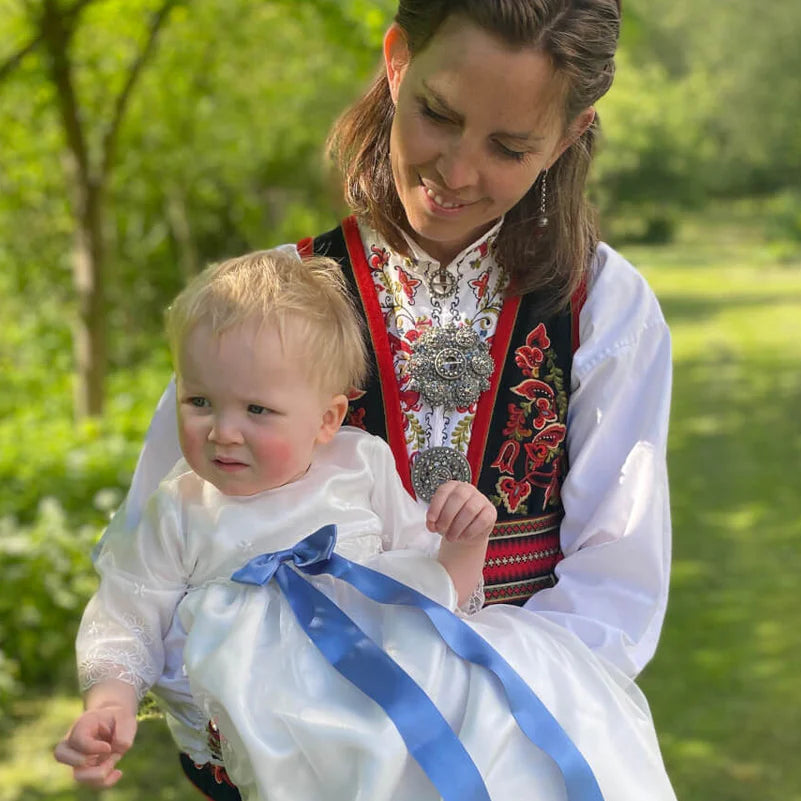



Essential Tips for Planning Your Child's Baptism
Planning your child's baptism is a meaningful journey that welcomes them into the faith and gathers loved ones to celebrate this special occasion. Whether you're preparing for a traditional ceremony or looking to incorporate modern elements, there are several essential tips to ensure the day is as memorable and smooth as possible.
Table of Contents
- Table of Contents
- 1. Understanding Baptism Customs
- 2. Venue Selection
- 3. Selecting Godparents
- 4. Traditional and Modern Elements
- 5. Personalizing the Ceremony
- 6. Reception Planning
- 7. Capturing the Moments
- FAQs
1. Understanding Baptism Customs
Before diving into the details of planning, it's beneficial to familiarize yourself with various baptism customs from around the world. Understanding these traditions can provide inspiration and help you decide which elements resonate most with your family's values and beliefs. For an in-depth look into global christening customs, consider exploring A Detailed Guide to Understanding Christening Customs Across the Globe.
2. Venue Selection
Choosing the right venue is crucial. While churches are a traditional choice, you might also consider other meaningful locations. Remember to book in advance, verify the availability of the officiant, and discuss any specific requirements you might have for the ceremony.
3. Selecting Godparents
Godparents play a significant role in your child’s spiritual upbringing. When selecting godparents, consider individuals who will be active and present in your child's life, offering guidance and support as they grow in their faith.
4. Traditional and Modern Elements
Incorporating both traditional and modern elements can make the ceremony personal and unique. Whether it's the choice of attire, music, or symbolic rituals, blending these elements allows for a meaningful expression of your family's heritage and preferences. For more inspiration, have a look at Traditional and Modern Christening Ideas to Inspire Your Ceremony.
5. Personalizing the Ceremony
You might want to include personalized vows, special readings, or involve family members in unique ways to create memorable moments. Exploring Creative Baptism Initiatives for Every Type of Family can provide you with some creative ideas to tailor the experience to your family's distinct style.
6. Reception Planning
Plan a gathering afterward to continue the celebration with family and friends. Whether it's a simple backyard get-together or a formal banquet, ensuring a joyful atmosphere will create lasting memories for you and your guests.
7. Capturing the Moments
Hiring a professional photographer or videographer ensures that the day is captured beautifully, allowing you to revisit these precious memories for years to come.
By thoughtfully planning each aspect of your child's baptism, you can create a ceremony that honors tradition while also celebrating your family's unique identity.
For more tips and guides on planning meaningful life events, visit Oliprik.
FAQs
What is the ideal age for a child’s baptism?
The ideal age for a child's baptism varies by tradition and family preference. Many families choose to baptize their child within the first year of life, while some may wait until the child is old enough to understand the significance of the ceremony.
How do I choose a godparent for my child?
When selecting a godparent, consider someone who embodies the values and beliefs you wish to pass on to your child. It's important that the godparent is committed to supporting your child's spiritual upbringing and is someone your family trusts.
What should we include in the baptism ceremony?
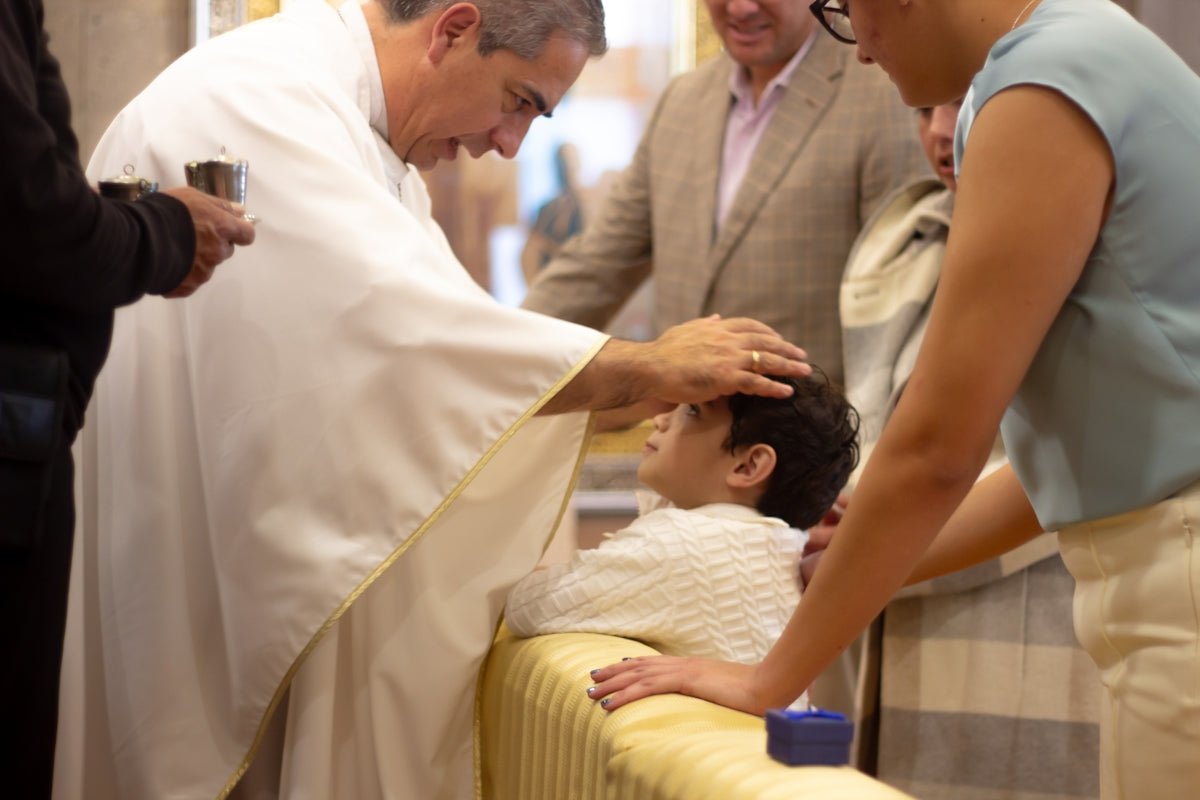
The baptism ceremony often includes a welcoming, readings, prayers, and anointing with water. You may also want to include special music, personal vows, and a moment for family and friends to share their thoughts or blessings.
How can I prepare my child for the baptism?
To prepare your child for baptism, you can talk to them about what the ceremony means and its significance. If they are old enough, involve them in some aspects of planning and discuss their role on the day.
What type of clothing should the child wear for the baptism?
Traditionally, many families choose a white gown or outfit symbolizing purity. However, the attire can vary based on cultural or personal preferences. Ensure the outfit is comfortable for your child during the ceremony.
How can we make the baptism special for our family?
You can make the baptism special by including personal elements, such as writing custom vows, dedicating readings, or incorporating family traditions. Hosting a small gathering afterward can also help strengthen family bonds.
What are the costs associated with planning a baptism?
Costs can vary widely depending on the venue, clergy fees, outfits, and celebrations afterward. It’s helpful to create a budget beforehand and consider the most important aspects for your family.
Do we need to have a rehearsal before the baptism?
Having a rehearsal can help everyone involved feel more prepared and comfortable with the ceremony. It’s especially useful if there are multiple participants or specific rituals that need coordination.
Can we choose the date for the baptism, or is it typically scheduled?
While many families have a preferred date or time, especially around significant religious holidays, it’s usually possible to choose a date that works best for you. Just be sure to coordinate with your place of worship ahead of time.

 Andorra
 Argentina
 Australia
 Austria
 Bahrain
 Belgium
 Brazil
 Canada
 Croatia
 Cyprus
 Denmark
 Estonia
 Faroe Islands
 Finland
 France
 Germany
 Gibraltar
 Greenland
 Hungary
 Iceland
 Ireland
 Italy
Italy
 Kuwait
 Latvia
 Liechtenstein
 Lithuania
 Luxembourg
 Malta
Malta
 Monaco
 Netherlands
 New Zealand
 Norway
 Oman
Oman
 Poland
 Portugal
 Qatar
Qatar
 San Marino
 Saudi Arabia
 Slovakia
 Slovenia
 Spain
Spain
 Sweden
 Switzerland
 United Arab Emirates
 United Kingdom
 United States
 Vatican City
