


Stina: Discovering the Strength and Simplicity Woven into This Nordic Legacy
Choosing a name for your child is a journey of love, legacy, and hope. In this journey, the name Stina offers a beacon of simplicity and strength—a timeless embodiment of Nordic grace. As you hold your baby girl for the first time, the name you choose will become part of the narrative of her life, whispering softly of her heritage and the timeless beauty of her roots.
Table of Contents
The Essence of Stina
Derived from the Old Norse name Kristina, Stina carries with it echoes of a rich past. It has traveled through generations, yet it remains as vibrant and elegant as ever. The name speaks of pure strength, derived from ‘Kristr’, meaning 'follower of Christ'. This link to ancient roots provides a connection to a world where names were imbued with power and purpose.
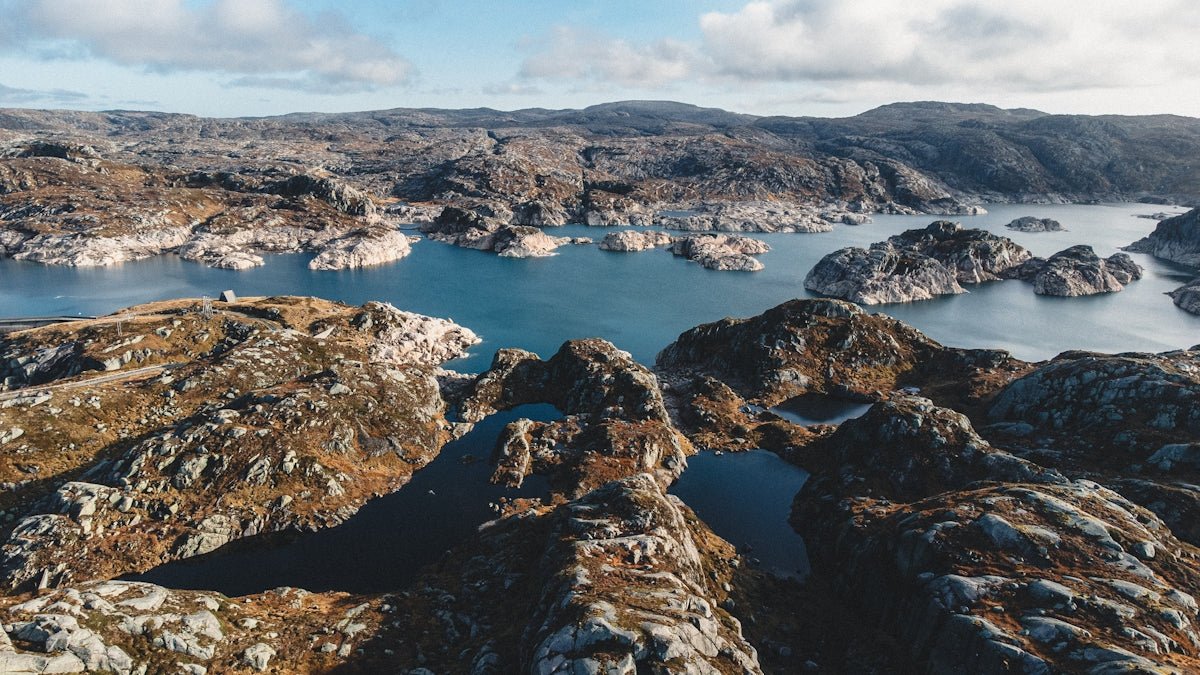
In the words of a beloved Nordic proverb, “Every cloud has a silver lining.” Stina reflects this sentiment, casting a tranquil light full of hope and resilience. It balances simplicity with intensity, much like the landscapes of Scandinavia, where serene fjords meet awe-inspiring mountains.
Embracing Nordic Traditions
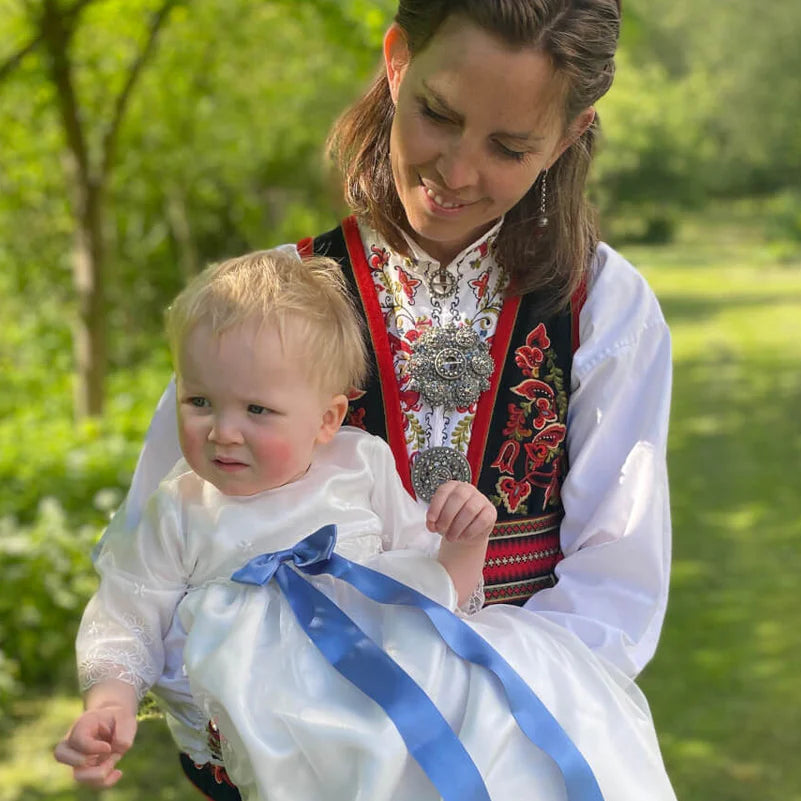
Choosing the name Stina is more than a nod to tradition—it's a celebration of enduring values. It’s a connection to the Scandinavian aesthetic, where elegance is found in simplicity, and authenticity is cherished above all. The name is a seamless fit for a little girl who will grow up surrounded by stories of ancient myths and folklore, echoing the shared narratives of her ancestors.
As you consider Stina, allow its gentleness to remind you of the nurturing environment you wish to create for your child. Imagine her stepping confidently into a world enriched by history and alive with potential.
Related Nordic Names
If the allure of Stina draws you in, you might also be captivated by the stories and significance behind other Nordic names. Discover the joyous elegance of Kaia, or explore the goddess inspiration that Maja wields with its enduring charm. Each carries its own unique story and symbolism, adding layers to your child’s identity.
Visit us at Oli Prik Copenhagen for more inspiration, and explore how you can celebrate Nordic traditions through the names you choose for your little one. We’re honored to walk alongside you in making one of the first important decisions for your child—a decision cloaked in the warmth, simplicity, and beauty of the Scandinavian way of life.
Choosing a name is a beautiful journey, where heritage, hope, and love interlace. As you lean towards Stina, envision it as a guiding light, with legacy in its syllables and dreams for tomorrow held in its embrace.
FAQs
What is the significance of the name "Stina" in Nordic culture?
The name "Stina" is deeply rooted in Nordic heritage, often associated with strength and resilience. Traditionally, it is a diminutive of "Christina," and its popularity reflects a connection to historical figures and the values of simplicity and fortitude in Nordic society.
How does Stina represent Nordic traditions?
Stina embodies the essence of Nordic traditions through its emphasis on a harmonious lifestyle, which prioritizes simplicity, sustainability, and a strong sense of community. It draws on the natural landscapes and folklore that characterize the Nordic region.
What are some key themes associated with the Nordic legacy of Stina?
Key themes include connection to nature, sustainable practices, minimalism, and community bonds. These themes reflect the values of living simply and harmoniously with the environment, fostering both individual strength and collective well-being.
Are there specific symbols associated with Stina in Nordic art and culture?
Yes, symbols such as the yggdrasil tree, runes, and elements of nature like mountains and rivers frequently appear in Nordic art linked to Stina. These symbols represent vitality, wisdom, and the interconnectedness of all living beings.
How can one incorporate the principles of Stina into daily life?
Incorporating the principles of Stina involves embracing simplicity, nurturing relationships, and finding joy in nature. Practicing mindfulness, prioritizing meaningful connections, and reducing material excess can help embody this legacy in modern life.
What role does nature play in understanding the Stina legacy?
Nature plays a central role in the Stina legacy, symbolizing resilience and balance. The close relationship between Nordic people and their natural surroundings highlights the importance of environmental stewardship and the inspiration derived from the natural world.
How can learning about Stina enhance my understanding of Nordic culture?
Exploring the Stina legacy provides insights into the core values and philosophies of Nordic culture, revealing how history, art, and nature intertwine to shape a unique worldview that celebrates simplicity, strength, and sustainability.
Is there a contemporary relevance to the Stina legacy today?
Absolutely! The Stina legacy resonates today as more people seek sustainable living and authentic connections. It encourages individuals to simplify their lives and prioritize community, echoing a growing global movement toward minimalism and environmental awareness.
 Andorra
 Argentina
 Australia
 Austria
 Bahrain
 Belgium
 Brazil
 Canada
 Croatia
 Cyprus
 Denmark
 Estonia
 Faroe Islands
 Finland
 France
 Germany
 Gibraltar
 Greenland
 Hungary
 Iceland
 Ireland
 Italy
Italy
 Kuwait
 Latvia
 Liechtenstein
 Lithuania
 Luxembourg
 Malta
Malta
 Monaco
 Netherlands
 New Zealand
 Norway
 Oman
Oman
 Poland
 Portugal
 Qatar
Qatar
 San Marino
 Saudi Arabia
 Slovakia
 Slovenia
 Spain
Spain
 Sweden
 Switzerland
 United Arab Emirates
 United Kingdom
 United States
 Vatican City
