



Ornate Christening Gown Embroidery for Precious Keepsakes
Updated on: March 22, 2026
Ornate christening gown embroidery represents one of the most cherished traditions in celebrating a child's spiritual journey. This detailed guide explores the artistry, craftsmanship, and timeless elegance of beautifully embroidered christening garments. Discover how intricate needlework transforms simple fabrics into heirloom pieces that families treasure for generations. Learn about design options, care instructions, and what makes these gowns truly special for your little one's milestone moment.
Table of Contents
- Product Spotlight
- Did You Know?
- Pros and Cons Analysis
- Understanding Christening Gown Traditions
- The Art of Embroidery in Christening Wear
- Selecting Design Elements for Your Gown
- Caring for Your Precious Heirloom
- Frequently Asked Questions
- About the Author
Introduction
Welcoming a new child into a family is a momentous occasion, and many families choose to honor this milestone with a christening ceremony. The ornate christening gown embroidery has become an integral part of this cherished tradition. These exquisitely crafted garments combine fine fabric with detailed needlework, creating pieces that are both meaningful and beautiful. Whether you are preparing for a special ceremony or searching for the perfect heirloom gift, understanding the nuances of embroidered christening gowns can help you make an informed and heartfelt choice.
The beauty of a well-crafted christening gown lies not only in its visual appeal but also in the time and skill invested in its creation. Each stitch tells a story of tradition, love, and celebration. Families often pass these gowns from one generation to the next, making them treasured keepsakes that carry sentimental value far beyond their material worth.
Product Spotlight
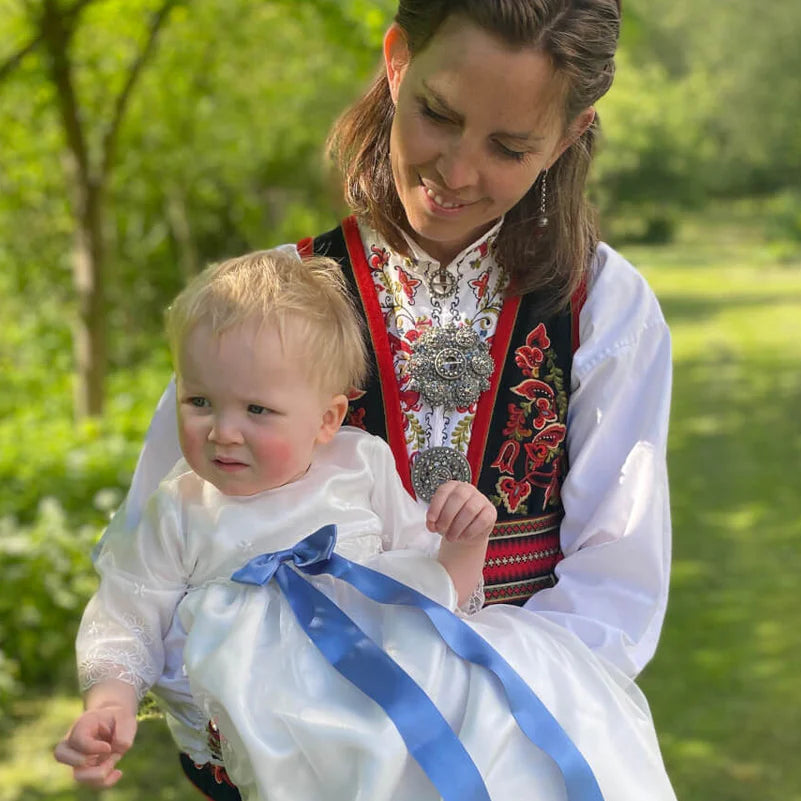
When considering ornate christening gown embroidery options, it is helpful to understand what distinguishes truly exceptional pieces. Premium christening gowns typically feature high-quality fabrics such as pure cotton, silk, or cotton blends that are gentle against delicate baby skin. The embroidery work often incorporates traditional motifs including floral patterns, religious symbols, and intricate lacework that reflects centuries of craftsmanship.
One particularly noteworthy style combines vintage-inspired embroidery with contemporary comfort. These gowns often feature carefully placed embellishments on the bodice and hem, allowing the dress to maintain elegance without overwhelming the wearer. Quality christening gowns online showcase various approaches to ornate detailing, from subtle and refined to more elaborate and decorative styles.
The finest christening garments pay attention to every detail, including the construction of seams, the quality of closures, and the overall fit. Many include practical features such as easy fastening systems that make dressing and undressing a baby considerably simpler, which is an appreciated consideration for busy parents managing a significant event.
Delicate needlework with floral motifs and religious symbols intricately stitched on white fabric.
Did You Know?
- Christening gowns have been a significant part of religious and cultural traditions for several centuries, with documented use dating back to medieval times.
- The color white, commonly seen in christening wear, symbolizes purity and innocence in many Western traditions and religious practices.
- Embroidery techniques used in christening garments often vary by region, with European, Asian, and other cultural traditions contributing unique stylistic elements.
- Many families choose to have their child's initials or birth date subtly embroidered into the gown, creating a personalized keepsake.
- Professional embroidery can take several weeks to complete, depending on the complexity and intricacy of the design pattern.
Pros and Cons Analysis
| Advantages | Considerations |
|---|---|
| Timeless beauty and elegance that photographs beautifully | Higher cost due to skilled labor and quality materials |
| Can be passed down through generations as family heirlooms | Requires careful handling and specialized cleaning methods |
| Personalization options allow for meaningful customization | Production time may be lengthy for custom designs |
| Supports traditional craftsmanship and artisanal skills | Some children may outgrow before the ceremony occurs |
| Becomes more valuable and meaningful with age | Limited sizing options in some specialized styles |
Understanding Christening Gown Traditions
The tradition of dressing a child in a special gown for christening ceremonies carries deep cultural and spiritual significance across many communities. This practice acknowledges the importance of the moment and demonstrates respect for the ceremony being observed. The gown serves as a visible symbol of celebration, marking the child's official welcome into their faith community.
Historically, christening garments were often handmade by family members, particularly skilled needleworkers within the household. This personal investment added layers of meaning to the garment. Today, while many families commission these pieces from professional artisans, the underlying sentiment remains unchanged—the gown represents love, tradition, and hope for the child's future.
Different cultural traditions approach christening wear with varying aesthetics and requirements. Some prefer minimal embellishment, while others embrace more elaborate designs. Traditional christening attire collections often reflect these diverse approaches, offering options that honor various cultural and religious customs.
The Art of Embroidery in Christening Wear
The ornate christening gown embroidery represents a specialized form of needle artistry that requires significant skill and patience. Embroiderers working on these pieces typically undergo years of training to master the techniques necessary for creating intricate, durable, and beautiful designs. Each stitch is carefully placed to ensure both aesthetic appeal and structural integrity.
Various embroidery techniques can be employed, including cross-stitch, satin stitch, French knots, and appliqué work. Master embroiderers select techniques based on the desired effect and the fabric being used. For christening gowns, the embroidery is usually concentrated in specific areas such as the bodice, sleeves, and hemline, creating visual interest without compromising the garment's wearability.
The choice of embroidery thread also significantly impacts the final appearance. High-quality silk, cotton, or specialized embroidery floss in white, cream, silver, or gold tones are commonly selected to complement the gown's base fabric. Embroidered baby wear options demonstrate the range of possibilities available for creating truly special pieces.
Close-up of intricate needle embroidery showing raised satin stitch work and delicate thread detail.
Selecting Design Elements for Your Gown
When choosing a christening gown with special embroidery details, several design considerations merit thoughtful attention. The overall style should complement both the child and the family's aesthetic preferences. Some families prefer classic, timeless designs featuring subtle religious symbols or floral patterns, while others appreciate more contemporary interpretations of traditional themes.
Consider how the embroidery placement will affect the photographs that commemorate this important day. Many families choose designs that frame the face nicely or create visual balance across the garment. The size and scale of embroidered elements should be proportionate to the child's small frame, creating an elegant appearance rather than an overwhelming effect.
Personalization options such as adding the child's initials, birth date, or a meaningful scripture verse can transform a beautiful gown into a truly unique family treasure. These customizations often become even more precious as time passes. Custom embroidered christening dresses offer opportunities to create exactly what your family envisions.
Color selection typically gravitates toward white or cream tones, though some families appreciate soft ivory, pale gold, or pearl shades. The embroidery thread color should harmonize with the base fabric and overall design aesthetic. Silver and gold threads add a touch of celebration, while white and cream threads create a more subtle, refined appearance.
Caring for Your Precious Heirloom
Once you have invested in a beautiful christening gown featuring ornate embroidery, proper care becomes essential for preserving it for future generations. Delicate fabrics and intricate needlework require thoughtful handling and storage practices. Before storing the gown, ensure it has been gently cleaned and is completely dry.
Hand washing in cool water with mild soap specifically designed for delicate fabrics is the recommended cleaning method. Avoid harsh scrubbing or wringing motions that might damage the embroidery. After gentle washing, rinse thoroughly with cool water and lay flat on a clean, soft surface to dry. Never use a clothes dryer, as heat can damage both the fabric and thread.
For long-term storage, place the gown in acid-free tissue paper and store it in a cool, dry location away from direct sunlight. Avoid plastic storage bags that can trap moisture and promote deterioration. Some families choose to have their christening gowns professionally cleaned and preserved, particularly if they plan to pass them through multiple generations.
Minor stains should be treated gently as soon as possible. For embroidered areas, consult professional dry cleaners experienced with antique or heirloom textiles. When properly cared for, a quality christening gown can remain beautiful and wearable for decades, truly becoming a family treasure.
Frequently Asked Questions
What is the ideal timing for ordering a custom embroidered christening gown?
Most artisans recommend placing your order at least two to three months before the planned ceremony. This timeline allows sufficient time for design consultation, embroidery work, and any necessary adjustments. Rushing the process may compromise the quality of the craftsmanship, so planning ahead ensures you receive a gown that meets your expectations and arrives on schedule.
Can I have my family's specific religious traditions reflected in the embroidery design?
Absolutely. Many embroiderers specialize in creating customized designs that incorporate specific religious symbols, cultural elements, or meaningful motifs important to your family. During the consultation process, discuss your vision with the artisan, who can suggest appropriate design elements and placement that honor your traditions while maintaining aesthetic balance.
What should I do if my child grows before the christening ceremony?
Growth spurts happen quickly during infancy, so it is wise to order your gown closer to the ceremony date when the child's size is more predictable. Many quality gowns include adjustable closures or allowance for minor tailoring. Discuss sizing concerns with your supplier, as experienced providers often accommodate the unpredictability of infant growth.
Are there options for washable embroidery or is special care always required?
While all embroidered garments benefit from gentle care, some modern embroidery techniques and materials are more durable than traditional methods. Discuss durability and care requirements with your provider before ordering. Even contemporary gowns should be hand washed gently and dried flat rather than machine washed or dried, but some materials offer improved resilience.
Can I commission an embroidered christening gown that could work for multiple children?
Yes, with thoughtful design planning. Choose gown styles and sizes in the larger end of appropriate ranges, consider classic designs that appeal across gender presentations, and avoid adding specific names or dates that might limit future use. This approach allows a treasured gown to be worn by multiple children while maintaining its heirloom quality.
Conclusion and Next Steps
The beauty of ornate christening gown embroidery lies in its ability to transform a special moment into a lasting memory. These exquisitely crafted garments honor tradition while celebrating the individual child and family. Whether you are seeking a timeless design or a uniquely personalized creation, the investment in a quality embroidered christening gown rewards you with years of cherished memories and a tangible link to your family's heritage.
We encourage you to explore the options available and connect with skilled artisans who can bring your vision to life. Whether this gown will be worn by one child or treasured through multiple generations, it deserves thoughtful selection and careful stewardship. Begin your search today and discover the perfect way to celebrate this meaningful milestone in your family's story.
About the Author
Hallur Saevarsson is a dedicated textile specialist and family heritage advocate with over fifteen years of experience in traditional needlework and heirloom garment design. With deep expertise in christening wear, embroidery techniques, and fabric conservation, Hallur has assisted countless families in creating and preserving meaningful keepsakes. Through thoughtful guidance and detailed knowledge of both artisanal practices and modern options, Hallur helps families make decisions that honor their traditions while celebrating new beginnings. When not writing about textiles and family treasures, Hallur enjoys learning about cultural practices and the stories behind cherished family heirlooms.


 Andorra
 Argentina
 Australia
 Austria
 Bahrain
 Belgium
 Brazil
 Canada
 Croatia
 Cyprus
 Denmark
 Estonia
 Faroe Islands
 Finland
 France
 Germany
 Gibraltar
 Greenland
 Hungary
 Iceland
 Ireland
 Italy
Italy
 Kuwait
 Latvia
 Liechtenstein
 Lithuania
 Luxembourg
 Malta
Malta
 Monaco
 Netherlands
 New Zealand
 Norway
 Oman
Oman
 Poland
 Portugal
 Qatar
Qatar
 San Marino
 Saudi Arabia
 Slovakia
 Slovenia
 Spain
Spain
 Sweden
 Switzerland
 United Arab Emirates
 United Kingdom
 United States
 Vatican City
