

Babynamensbräuche aus Dänemark, Schweden, Norwegen und Island entschlüsselt
Die Namensgebung eines Babys ist eine geschätzte Tradition auf der ganzen Welt, die mit kultureller, historischer und familiärer Bedeutung erfüllt ist. In den bezaubernden Regionen Dänemarks, Schwedens, Norwegens und Islands besitzen diese Traditionen einzigartige Elemente, die tief in der reichen skandinavischen Kultur verwurzelt sind. Lassen Sie uns die faszinierenden Namensgebungsbräuche dieser nordischen Länder erkunden.
Inhaltsverzeichnis
- Inhaltsverzeichnis
- Dänemark: Harmonie bei der Namensgebung
- Schweden: Die Verbindung von Moderne und Tradition
- Norwegen: Von der Natur inspiriert und kraftvoll
- Island: Tradition und Gesetzgebung
- Fazit
- Häufig gestellte Fragen
Dänemark: Harmonie bei der Namensgebung
In Dänemark stehen Einfachheit und Harmonie oft im Vordergrund der Namensgebung. Dänische Namen sind meist kurz und leicht auszusprechen, was eine kulturelle Vorliebe für Schlichtheit unterstreicht. Die Dänen wählen häufig Namen mit familiärer Bedeutung, die den Vorfahren Ehre erweisen und gleichzeitig eine melodische Balance zum Nachnamen bewahren.
Schweden: Die Verbindung von Moderne und Tradition
Die Namensgebungs-Traditionen in Schweden bewegen sich auf einem feinen Grat zwischen Moderne und Tradition. Schwedische Eltern sind bekannt für ihre Vorliebe für kreative Namen, die dennoch in der Geschichte verwurzelt sind. Interessanterweise fördern schwedische Gesetze einzigartige Vornamen, achten dabei jedoch darauf, dass diese angemessen sind und die Würde des Einzelnen bewahren.
Für weitere verborgene Bedeutungen skandinavischer Namen können Sie Die verborgenen Bedeutungen skandinavischer Babynamen erkunden.
Norwegen: Von der Natur inspiriert und kraftvoll
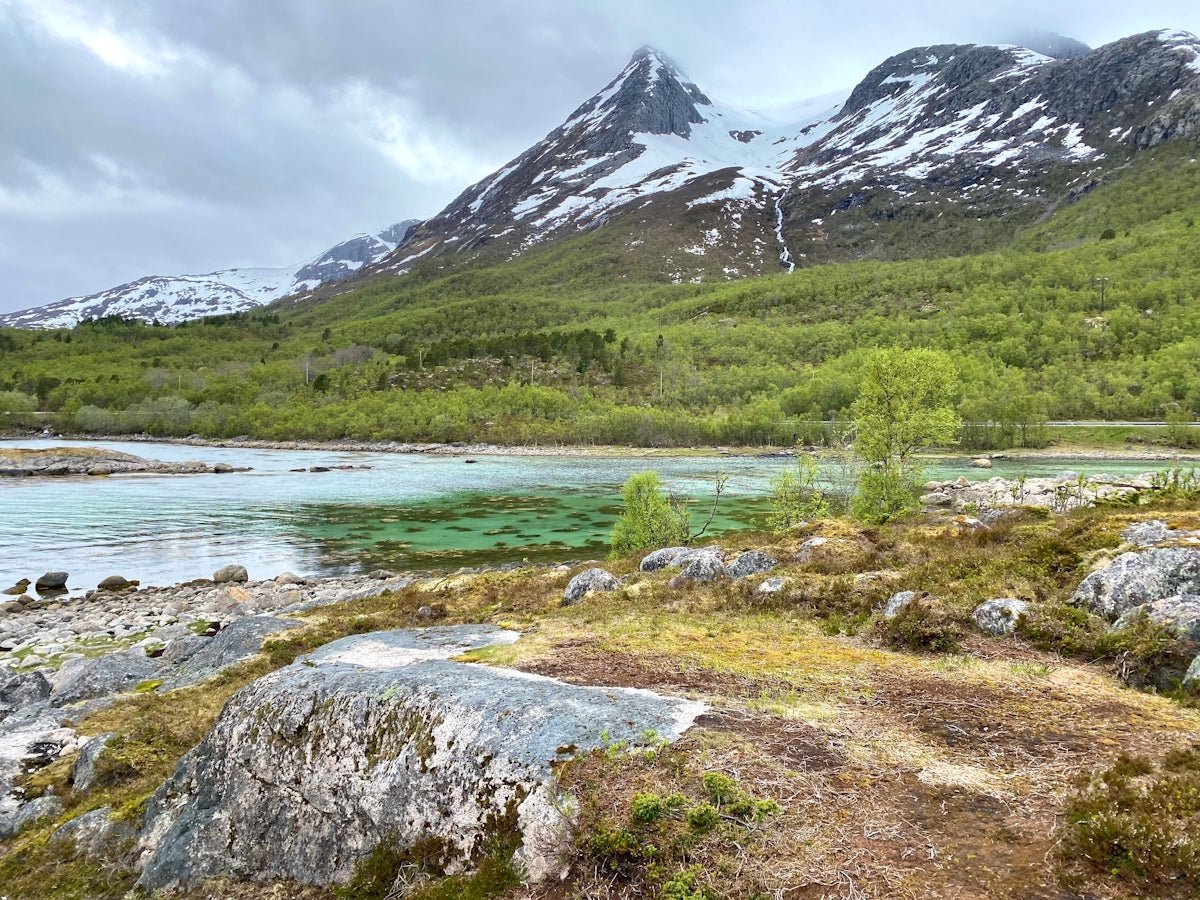
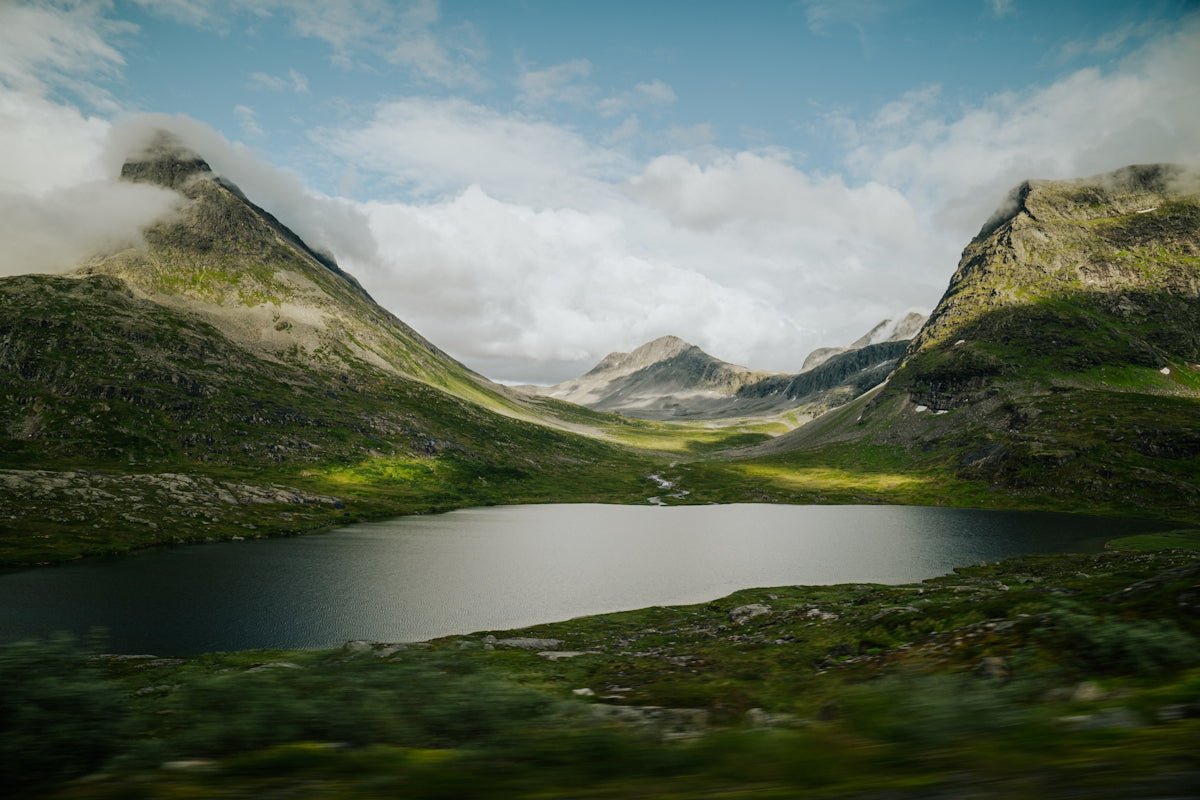
In Norwegen sind Namen, die von Naturelementen wie Bergen, Flora und Fauna inspiriert sind, weit verbreitet und spiegeln die atemberaubenden Landschaften des Landes wider. Norwegische Namen tragen oft tiefgründige Bedeutungen, die mit Stärke und Tapferkeit verbunden sind. Es ist üblich, dass Namen sowohl die natürliche Schönheit als auch den robusten Charakter der nordischen Kultur widerspiegeln.
Vertiefen Sie kulturelle Einblicke im Artikel Entdecken Sie norwegische und finnische Babynamen und ihre kulturelle Bedeutung.
Island: Tradition und Gesetzgebung
Die isländischen Namensgebungspraktiken sind besonders markant aufgrund des Islendingabok, eines staatlichen Registers genehmigter Namen. Isländer tragen traditionell einen patronymischen oder matronymischen Nachnamen, der vom Vornamen eines Elternteils mit der Endung „-son“ oder „-dóttir“ abgeleitet wird. Diese Tradition bewahrt eine tiefe Verbindung zur Abstammung und Herkunft.
Für ein tieferes Verständnis isländischer Namen besuchen Sie Top 10 einzigartige isländische Babynamen und ihre historische Herkunft.
Fazit
Die Namensgebungs-Traditionen in dieser Region der Welt sind ein Zeugnis des beständigen kulturellen Erbes und der familiären Bindungen, die diese skandinavischen Länder hochhalten. Jeder für ein Baby gewählte Name ist nicht nur ein Ausdruck von Individualität, sondern auch ein Spiegelbild jahrhundertealter Traditionen und Werte.
Für weitere faszinierende Einblicke in Namensgebungs-Traditionen und Bedeutungen besuchen Sie Oliprik.
Häufig gestellte Fragen
Welche gängigen Namensgebungs-Traditionen gibt es in Dänemark?
In Dänemark ist es üblich, dass Eltern Namen wählen, die das familiäre Erbe widerspiegeln. Viele Eltern entscheiden sich für Namen, die über Generationen weitergegeben wurden und oft aus der dänischen Folklore oder Geschichte stammen.
Wie wählen schwedische Eltern typischerweise Babynamen aus?
Schwedische Eltern berücksichtigen oft die Bedeutung von Namen und bevorzugen solche mit positiven Konnotationen. Zudem ist es üblich, Elemente von zwei Familiennamen zu kombinieren, um einen einzigartigen Namen für das Kind zu schaffen, der Individualität fördert und gleichzeitig familiäre Bindungen ehrt.
Welchen Einfluss haben nordische Mythologie und Geschichte auf die Namensgebung in Norwegen?
In Norwegen lassen sich viele Eltern von der nordischen Mythologie inspirieren und bevorzugen Namen mit historischer Bedeutung. Namen wie Freya oder Thor sind beliebt und tragen eine tiefe kulturelle Relevanz, die Kinder mit ihrer Wikinger-Abstammung verbindet.
Gibt es in Island besondere Namensgebungspraktiken?
In Island sind die Namensgebungs-Traditionen aufgrund des patronymischen Systems recht unterschiedlich. Anstelle von Nachnamen werden Kinder oft nach ihren Vätern oder Müttern mit der Endung „-son“ oder „-dóttir“ benannt. Zum Beispiel würde ein Sohn eines Vaters namens Jón den Nachnamen Jónsson tragen.
Gibt es in diesen Ländern spezielle Gesetze zur Regulierung von Babynamen?
Ja, in Schweden und Dänemark gibt es Gesetze, die bestimmte Namen einschränken, wenn diese als unangemessen oder anstößig gelten könnten. Eltern müssen aus einer Liste genehmigter Namen wählen, um kulturelle und sprachliche Konsistenz zu fördern und sicherzustellen, dass die Namen der Kinder nicht mit negativen Assoziationen belastet sind.
Sind Zweitnamen in nordischen Kulturen üblich?
Zweitnamen sind in Dänemark, Schweden, Norwegen und Island tatsächlich verbreitet. Sie spiegeln oft das familiäre Erbe wider oder ehren Verwandte, wodurch eine weitere Ebene persönlicher Geschichte zur Identität des Kindes hinzugefügt wird.
Welche Rolle spielen Großeltern bei der Namensgebung?
In vielen nordischen Familien können Großeltern einen bedeutenden Einfluss auf die Namenswahl haben. Es ist nicht ungewöhnlich, dass Eltern die Meinung oder Zustimmung der Großeltern einholen, insbesondere wenn sie Familientraditionen oder bestimmte innerhalb der Familie geschätzte Namen ehren möchten.
Gibt es saisonale Trends bei Babynamen in Skandinavien?
Ja, wie an vielen Orten gibt es auch in den skandinavischen Ländern saisonale Trends bei Babynamen. Traditionell erleben Namen, die mit der Natur verbunden sind, wie Blumen und saisonale Phänomene, im Frühling und Sommer eine erhöhte Beliebtheit, was die kulturelle Verbundenheit mit der Umwelt widerspiegelt.
Wie unterscheiden sich Namensgebungszeremonien in diesen nordischen Ländern?
Namensgebungszeremonien variieren von Land zu Land. In Island können solche Feiern Familientreffen umfassen, bei denen der Name des Kindes offiziell bekannt gegeben wird. In Dänemark sind Taufen oft der formelle Anlass, um Namen zu feiern, während in Schweden das Konzept des „Namnsdag“ oder Namenstags ebenfalls eine wichtige Rolle bei der Ehrung des Namens eines Kindes spielen kann.
 Andorra
 Argentinien
 Australien
 Bahrain
 Belgien
 Brasilien
 Dänemark
 Deutschland
 Estland
 Färöer
 Finnland
 Frankreich
 Gibraltar
 Grönland
 Irland
 Island
 Italien
 Kanada
 Katar
Katar
 Kroatien
 Kuwait
 Lettland
 Liechtenstein
 Litauen
 Luxemburg
 Malta
Malta
 Monaco
 Neuseeland
 Niederlande
 Norwegen
 Österreich
 Oman
Oman
 Polen
Polen
 Portugal
 San Marino
 Saudi-Arabien
 Schweden
 Schweiz
 Slowakei
 Slowenien
 Spanien
 Ungarn
 Vatikanstadt
 Vereinigte Arabische Emirate
 Vereinigte Staaten
 Vereinigtes Königreich
 Zypern
