

Die verschiedenen Arten von Taufzeremonien in verschiedenen Kulturen erkunden
Wenn es um Taufzeremonien geht, haben viele Kulturen auf der ganzen Welt ihre eigenen, einzigartigen Arten, diesen wichtigen Meilenstein zu feiern. Diese Rituale, ob groß oder intim, spiegeln tief verwurzelte Glaubensvorstellungen und Traditionen wider, die über Generationen weitergegeben wurden. In diesem Blogbeitrag werden wir verschiedene Taufpraktiken aus verschiedenen Kulturen erkunden und entdecken, was jede einzelne einzigartig und besonders macht.
Inhaltsverzeichnis
- Inhaltsverzeichnis
- Traditionelle christliche Taufe
- Griechisch-orthodoxe Taufe
- Äthiopisch-orthodoxe Taufe
- Hindu Namakarana
- Jüdische Brit Milah
- Häufig gestellte Fragen
Traditionelle christliche Taufe
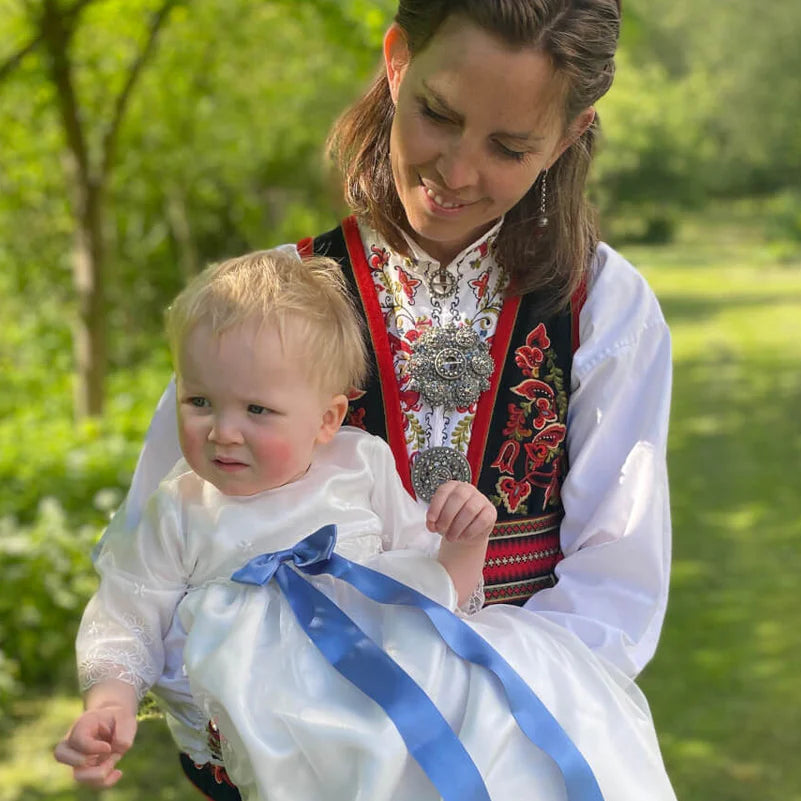
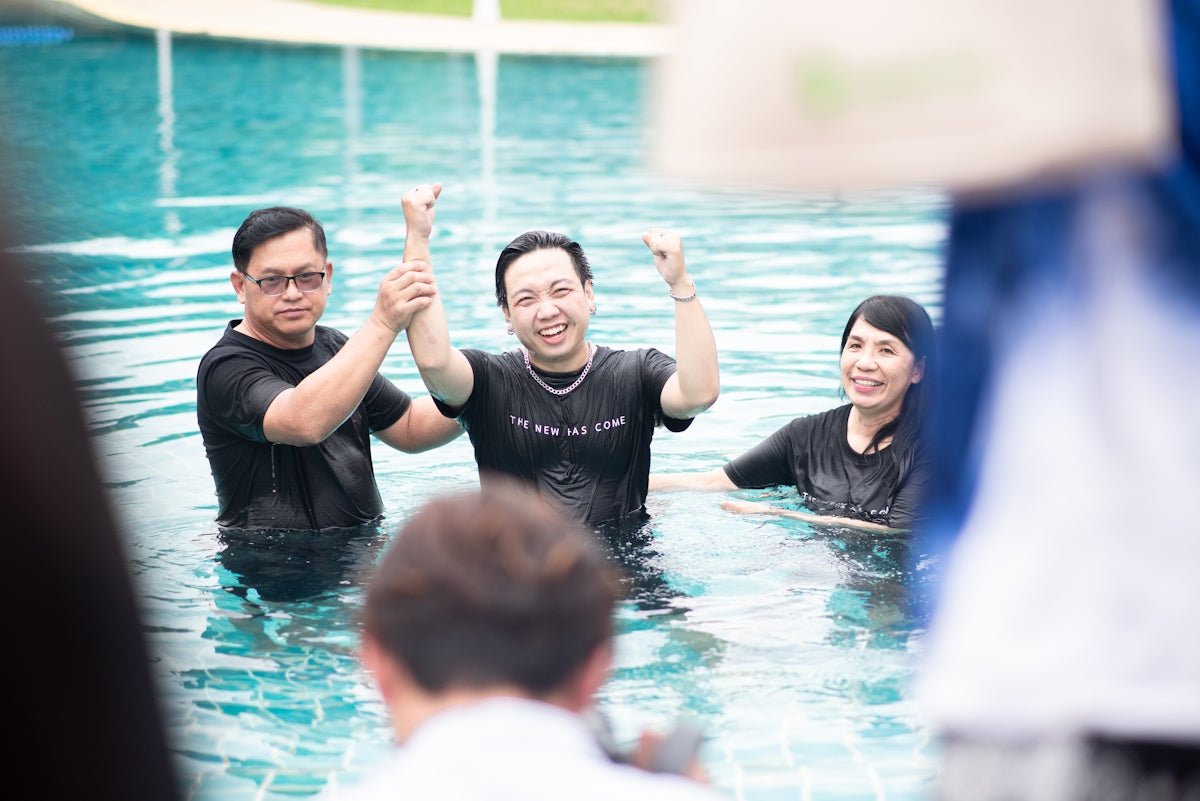
In vielen christlichen Konfessionen ist die Taufe das Initiationsritual zur Aufnahme eines neuen Mitglieds in die Kirche. Diese Zeremonie beinhaltet oft das Besprengen oder Übergießen der Stirn des Säuglings mit heiligem Wasser oder das vollständige Untertauchen im Wasser. Sie symbolisiert Reinigung und Wiedergeburt und wird häufig von Gebeten und Segnungen begleitet. Für diejenigen, die an Details zur Planung einer christlichen Taufe interessiert sind, bietet Ein Elternratgeber zur Planung einer bedeutungsvollen Taufe wertvolle Einblicke in die Organisation dieses heiligen Ereignisses.
Griechisch-orthodoxe Taufe
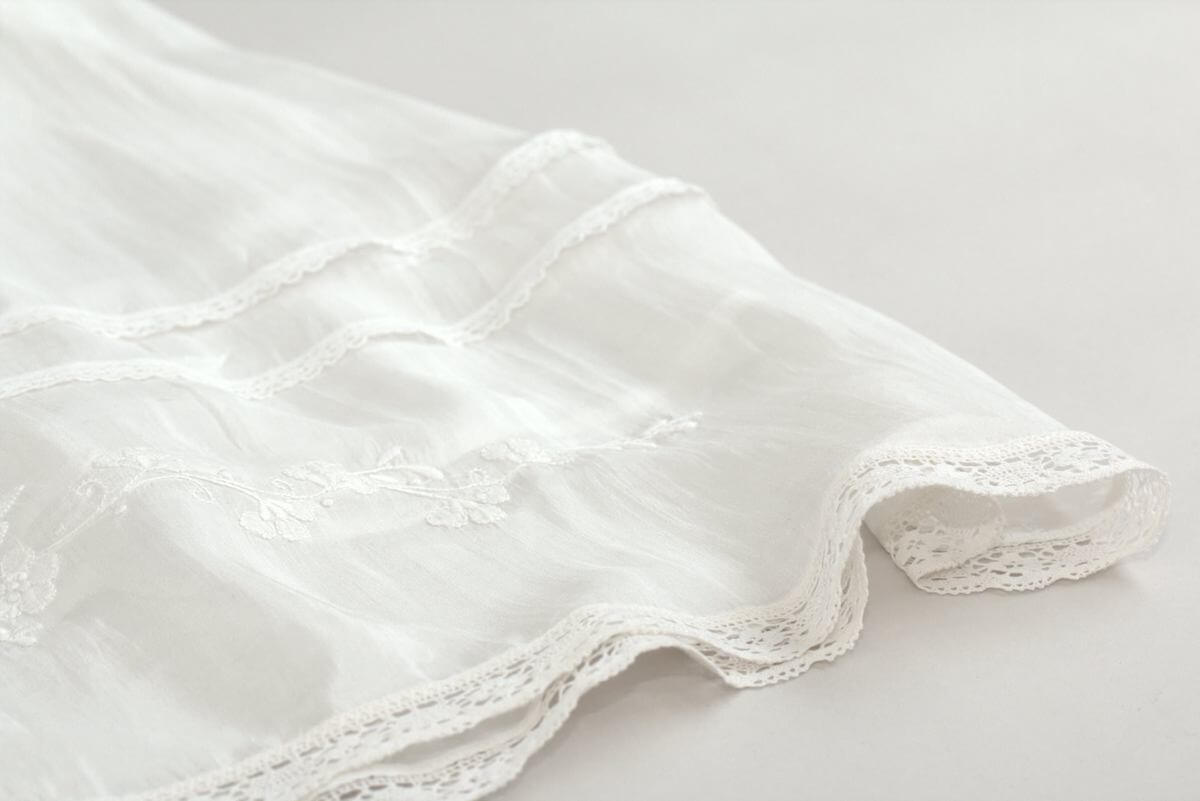
Griechisch-orthodoxe Taufen sind reich an Symbolik und Tradition. Typischerweise beinhaltet das Ritual das vollständige Untertauchen im Wasser, das die Reinigung von der Erbsünde darstellt. Die Zeremonie umfasst auch die Salbung mit Öl und das Abschneiden einer kleinen Haarsträhne des Kindes, um zu symbolisieren, dass man einen Teil von sich selbst Gott gibt. Taufutensilien wie Gewänder und Kerzen spielen eine bedeutende Rolle, und mehr darüber erfahren Sie in Taufutensilien: Was Sie wissen müssen.
Äthiopisch-orthodoxe Taufe
In der äthiopischen Kultur sind Taufen, oder „Timkat“, große Feierlichkeiten, die mit dem Fest der Erscheinung des Herrn zusammenfallen. Dieses religiöse Fest beinhaltet Prozessionen, Hymnen und die Nachstellung der Taufe Christi. Familien versammeln sich in großer Zahl, um an diesem freudigen Ereignis teilzunehmen, das ebenso sehr ein gesellschaftliches wie ein spirituelles Ereignis ist.
Hindu Namakarana
Im Hinduismus entspricht die Taufe der „Namakarana“ oder Namensgebungszeremonie. Obwohl der Hinduismus im Allgemeinen keine taufeähnliche Reinigung mit Wasser beinhaltet, ist die Namakarana bedeutend, da sie die Einführung des Kindes in die Welt und seine Gemeinschaft markiert. Die Zeremonie umfasst Gesänge, Gebete und das Verleihen von Segnungen für die Zukunft des Kindes.
Jüdische Brit Milah
Für jüdische Gemeinschaften ist die Brit Milah, oder Beschneidungszeremonie, vergleichbar mit einer Taufe. Sie symbolisiert den Bund des Säuglings mit Gott. Dieses Ereignis ist stark gemeinschaftlich geprägt und wird oft von festlichen Mahlzeiten und Zusammenkünften begleitet. Es gibt auch ein weibliches Pendant, die Brit Bat oder Simchat Bat für Mädchen, die sich auf Namensgebung und Segnungen konzentriert.
Wie wir gesehen haben, variieren Taufzeremonien stark zwischen den Kulturen, teilen jedoch gemeinsame Themen wie Begrüßung, Segnung und Einführung eines neuen Lebens. Diese Rituale sind ein Zeugnis für die Vielfalt kultureller Ausdrucksformen von Glauben und Gemeinschaftszugehörigkeit.
Für weitere Informationen zu diesen reichen Traditionen und zur Planung Ihrer eigenen Zeremonien empfehlen wir unsere weiteren Artikel wie Häufig gestellte Fragen zur Taufe beantwortet.
Besuchen Sie unsere Website für weitere Einblicke und Ressourcen: Oliprik Community
Häufig gestellte Fragen
Was ist eine Taufzeremonie?
Eine Taufzeremonie ist ein religiöses Ritual, das meist im christlichen Kontext stattfindet, bei dem ein Säugling offiziell benannt und in die Glaubensgemeinschaft aufgenommen wird. Dabei wird oft Wasser verwendet, das Reinigung und den Beginn einer spirituellen Reise symbolisiert.
Wie unterscheiden sich Taufzeremonien zwischen den Kulturen?
Taufzeremonien können sich zwischen den Kulturen erheblich unterscheiden. In einigen Kulturen ist die Zeremonie eine private Familienangelegenheit, während sie in anderen ein großes gemeinschaftliches Ereignis ist. Spezifische Rituale, Gebete und Symbole, die während der Zeremonie verwendet werden, variieren ebenfalls und spiegeln die einzigartigen Traditionen und Werte jeder Gemeinschaft wider.
Welche Rolle spielen Paten bei Taufzeremonien?
Paten werden oft ausgewählt, um das Kind in seinem spirituellen Wachstum zu begleiten und zu unterstützen. Ihre Aufgaben können die Teilnahme an der Zeremonie, das Versprechen, eine aktive Rolle in der religiösen Erziehung des Kindes zu übernehmen, und die Mentorschaft im Leben des Kindes umfassen.
Gibt es einzigartige Traditionen, die mit Taufen in bestimmten Kulturen verbunden sind?
Ja, viele Kulturen haben einzigartige Traditionen im Zusammenhang mit Taufen. Zum Beispiel wird in der griechisch-orthodoxen Tradition das Baby dreimal ins Wasser getaucht, während in einigen afrikanischen Kulturen Rituale mit Familienältesten oder Ahnensegnungen durchgeführt werden.
Gibt es einen Unterschied zwischen Taufe und Christening?
Obwohl die Begriffe oft synonym verwendet werden, bezieht sich „Christening“ im Allgemeinen auf die Namensgebungszeremonie und die Aufnahme in den Glauben, während „Taufe“ speziell den Akt der Wasseranwendung zur spirituellen Reinigung und Initiation in die christliche Gemeinschaft bezeichnet. Einige Konfessionen haben unterschiedliche Auffassungen zu diesen Begriffen.
Können nicht-religiöse Zeremonien einer Taufe ähneln?
Ja, nicht-religiöse Zeremonien, die darauf abzielen, ein Kind in die Familie und Gemeinschaft aufzunehmen, können einer Taufe ähneln. Diese Zeremonien konzentrieren sich oft auf die Namensgebung, die Feier der Liebe und die Einbindung der Gemeinschaft, enthalten jedoch keine religiösen Elemente.
Welche häufigen Symbole werden bei Taufzeremonien verwendet?
Häufige Symbole sind Wasser, das Reinigung darstellt; Kerzen, die Licht und Führung symbolisieren; und Öl, das oft zur Salbung verwendet wird. Viele Kulturen integrieren auch Familienerbstücke oder besondere Gewänder, um Herkunft und Kontinuität zu symbolisieren.
Gibt es Altersbeschränkungen für Taufzeremonien?
Während Säuglinge die häufigsten Kandidaten für eine Taufe sind, erlauben einige religiöse Gemeinschaften auch die Taufe oder Christening älterer Kinder oder sogar Erwachsener, insbesondere wenn diese zum Glauben konvertieren oder eine persönliche Verpflichtung zu ihrem Glauben eingehen.
Wie können Familien ihr kulturelles Erbe in eine Taufe einfließen lassen?
Familien können ihr kulturelles Erbe einbringen, indem sie traditionelle Musik, Kleidung oder Gebete verwenden, die für ihre Kultur spezifisch sind. Sie können auch Gemeindemitglieder oder bestimmte Rituale, die für ihren kulturellen Hintergrund bedeutsam sind, in die Zeremonie einbeziehen.
 Andorra
 Argentinien
 Australien
 Bahrain
 Belgien
 Brasilien
 Dänemark
 Deutschland
 Estland
 Färöer
 Finnland
 Frankreich
 Gibraltar
 Grönland
 Irland
 Island
 Italien
 Kanada
 Katar
Katar
 Kroatien
 Kuwait
 Lettland
 Liechtenstein
 Litauen
 Luxemburg
 Malta
Malta
 Monaco
 Neuseeland
 Niederlande
 Norwegen
 Österreich
 Oman
Oman
 Polen
Polen
 Portugal
 San Marino
 Saudi-Arabien
 Schweden
 Schweiz
 Slowakei
 Slowenien
 Spanien
 Ungarn
 Vatikanstadt
 Vereinigte Arabische Emirate
 Vereinigte Staaten
 Vereinigtes Königreich
 Zypern
